Skills or storytelling? Why the finale of Culinary Class Wars Season 2 feels so unsatisfying
What would make a viewer feel shortchanged by the ending of the Netflix cooking competition show? The problem was that the finale asked viewers to accept sentiment as a sufficient finale-flourish for a show that had, until then, trafficked heavily in technical bragging rights, says CNA Lifestyle's May Seah.
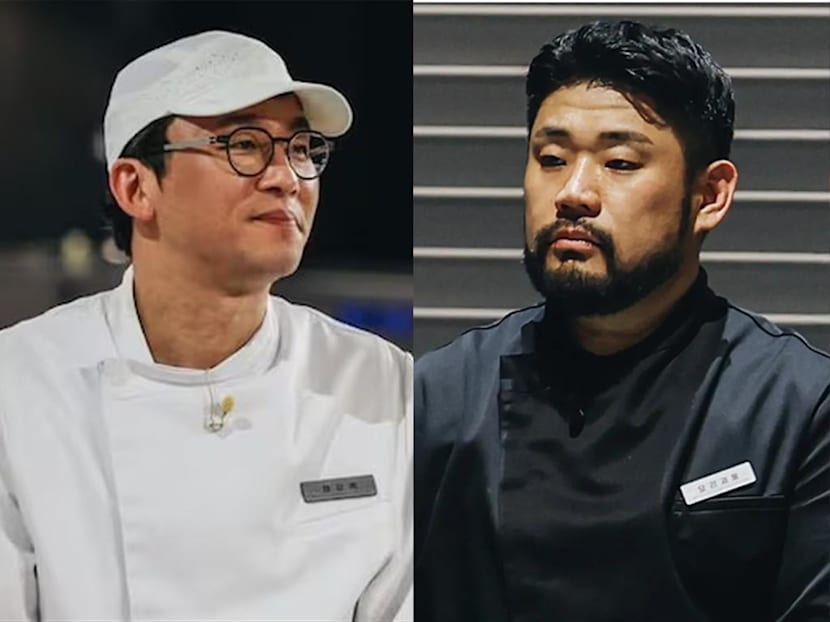
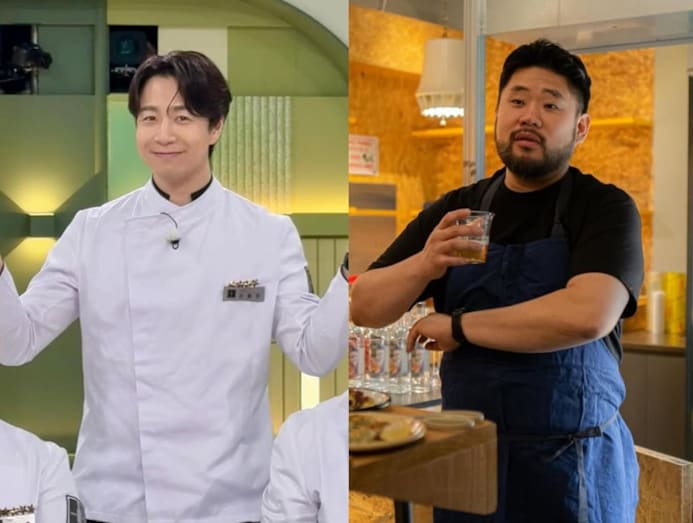
Culinary Class Wars Season 2 winner Choi Kang-rok (left) and finalist Lee Ha-song or Culinary Monster. (Photo: Netflix)

This audio is generated by an AI tool.


There is something un-gratifying about the way Netflix's Culinary Class Wars Season 2 ended, not because the winner was undeserving, but because the ending felt less like a tidy seal on a season-long argument about skill and access, and more like the distinct feeling that dessert had been skipped in favour of a well-meaning lecture about moderation.
It wasn’t that Choi Kang-rok did not deserve his victory over Culinary Monster Lee Ha-song – far from it.
In a finale where contestants were challenged to cook “just one dish for myself”, he made a sesame tofu soup featuring ingredients he liked and turned the act itself into a reflection on imposter syndrome, a meditation on identity and self-care and, most importantly for the producers, a heartfelt paean of praise to all cooks everywhere who prepare food in service to others and never for themselves.
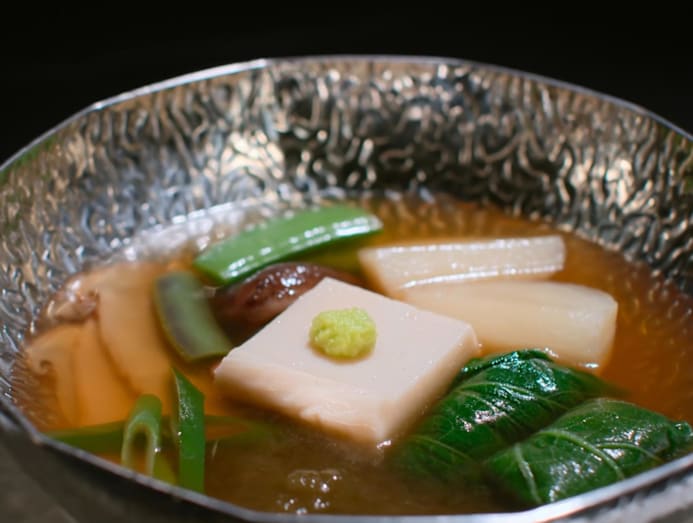
“I’m not someone who makes food that’s exceptional,” Choi said when explaining his dish. “I’m just like all the unseen chefs across the country who quietly and diligently work in their kitchens, and like all the people who simply cook for a living. I’m just one of them.”
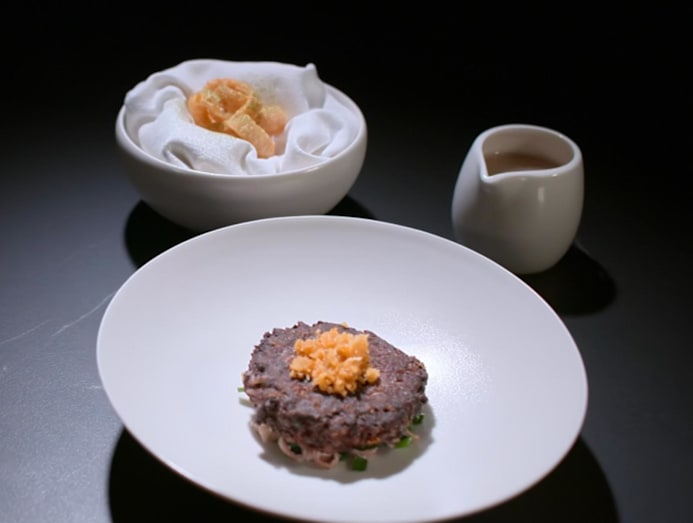
In contrast, Lee’s technique-driven reinterpretation of his favourite childhood dish of sundaeguk ended up looking a bit too showy and try-hard next to what Choi produced, and some fans thought his defeat a fitting comeuppance to an attitude of perceived arrogance throughout the show.
A DISH "FOR MYSELF", BUT ALSO FOR THE WHOLE WORLD
Their dishes must have been equally delicious, and Choi won because he told a better story, the viewer surmises.
Here is precisely why it feels so unsatisfying for the viewer: We are left to surmise. Because in the final round of a cooking competition show in which the judges have always explained their detailed and carefully thought out decisions, we are not shown passing comments about why they picked one dish to win over another.
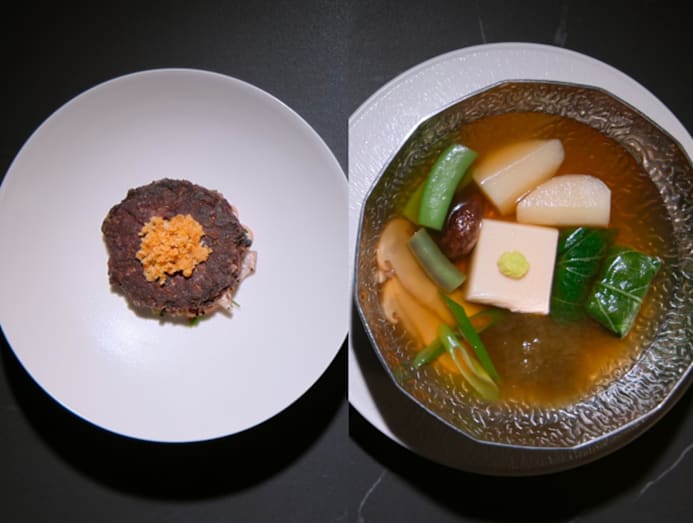
Of course, the nature of the final challenge precludes them from doing this. The theme of “just one dish for myself” already carries the built-in impossibility of judging a dish that can only be judged by its own creator.
This is why the contestants were invited to sit at the same table as the judges. Choi recognised this, which is why he kept saying that it was his dish, the way he liked it. Lee, like the rest of us, was still operating under the assumption that this was a cooking competition.
After pitting contestants against one another in a season-long battle in which the judging was heavily focused on skills, technicality, creativity and workflow, the final round came down to who was the best at emotional show-and-tell.

Season Two leaned hard into head-to-head survival matches and “one mistake” moments – when a thin technical call or a millimetre-wide presentation flaw can determine who stays and who goes, audiences begin to sweat.
The most talked-about instance was the elimination of White Spoon chef Son Jong-won, a steady performer who, many felt, was sent home on a hairline call after a tightly contested survival cook-off. Fans took to Reddit, Twitter and comment sections to express outrage, with many saying Son’s departure was “unfair” or “too close to call.”
When eliminations look razor-thin, viewers naturally look for narrative fairness: transparency about judging criteria, replays or even slowed-down clips. The show’s refusal – or inability – to fully unpack those decisions left a space that fandoms rushed to fill.
WAR AND PEACE
There is an important nuance here: Culinary Class Wars is entertainment first, competition second. Part of what viewers sign up for is the thrill of editorial storytelling – the way producers build tension across montage and music cues.
And, because we are so familiar with the reality competition show format, we become dissatisfied if the show doesn’t follow the logic of who wins and who loses within the structure of its own language.
There’s no doubt that the producers were trying to make a worthy statement about how society defines winners and losers. Still, when we recall how the same earnest cooks in the ending montage (set to rousing emotional music) were ruthlessly told that they had failed, it rings a little hollow.
The cynic might also say that, since Choi is a veteran of several television shows in different formats, and it’s also his third rodeo on a reality cooking show, he knew how to game the system.
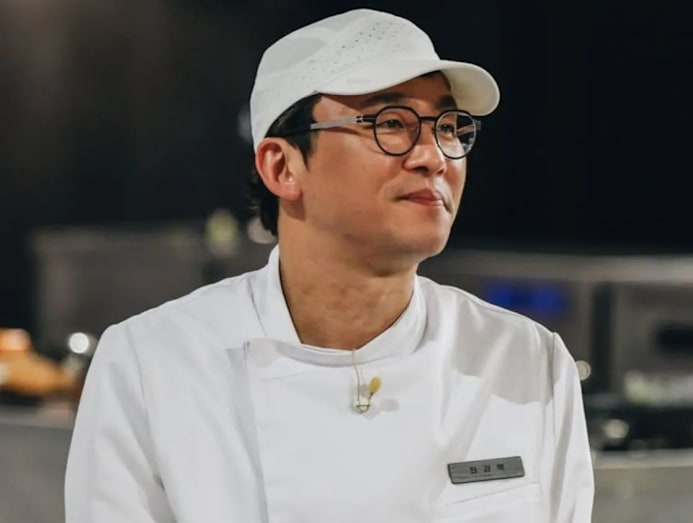
The whole premise of Culinary Class Wars, after all, is the uneven playing field that mirrors society. As a White Spoon chef, Choi has every right to make a “simple” dish, while the Black Spoon chef comes from a position where he still has to prove himself.
At the same time, ironically, Black Spoon Lee is a chef’s chef – culinary school credentials, a CV that includes the world’s best restaurants, clearly drafted timelines, technical precision and a familiarity with the classical kitchen brigade system – while White Spoon Choi is a manga-inspired home cook who became a celebrity by winning MasterChef Korea. (Instead of Black Spoon against White Spoon, perhaps it’s Grey Spoon versus Grey Spoon.)
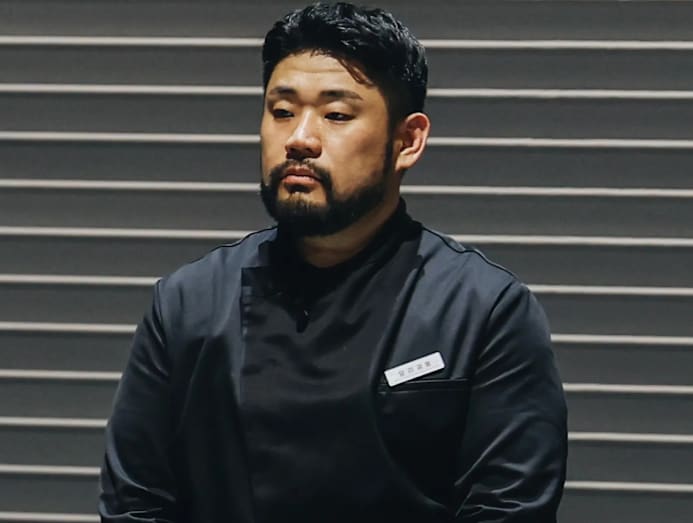
All this serves to highlight that class, like the show itself, is a manufactured construct. And, perhaps, it encourages us to reflect on how we eat and talk about food, and, more broadly, how we consume.
Judge Ahn Sung-jae was visibly surprised when he found out that fellow judge Paik Jong-won had picked Choi to win; he had clearly expected a different vote based on what he knew of Paik’s taste preferences.
But, taste can’t be standardised as a benchmark. Your tastes are a product of your specific life experiences, and how you think about food is shaped by a specific set of circumstances. One chef could be celebrated by the media and and win awards for their ideas, while another chef might have the vote of the consumer’s dollar. There is no “best” when it comes to food. There is only the extent to which we resonate with a dish as individuals.
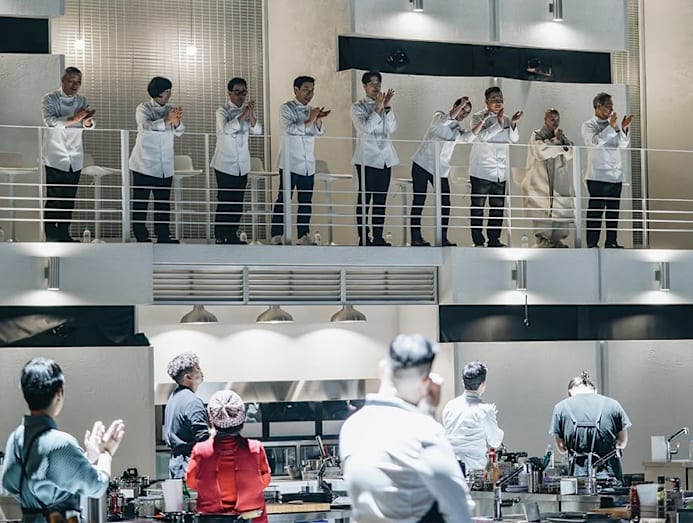
There is, however, a “best” when it comes to reality cooking competition shows, as indicated by the 300 million won (S$262,100) the winner of Culinary Class Wars Season Two went home with. Food television is a contract between chef, judge and viewer, and when the terms start to feel elastic, the people who invested time and passion will ask for the bill.
So, in Season Three, Culinary Class Wars’ producers have the unenviable task of dreaming up new, creative and, most importantly, value-for-money menus to cater to us viewers, whose appetites are never satisfied.