Forget dusty cellars and sommelier jargon. Gen Z drinks with intention, not intimidation
For this curious generation, savouring an alcoholic beverage is often less about status and more about storytelling.
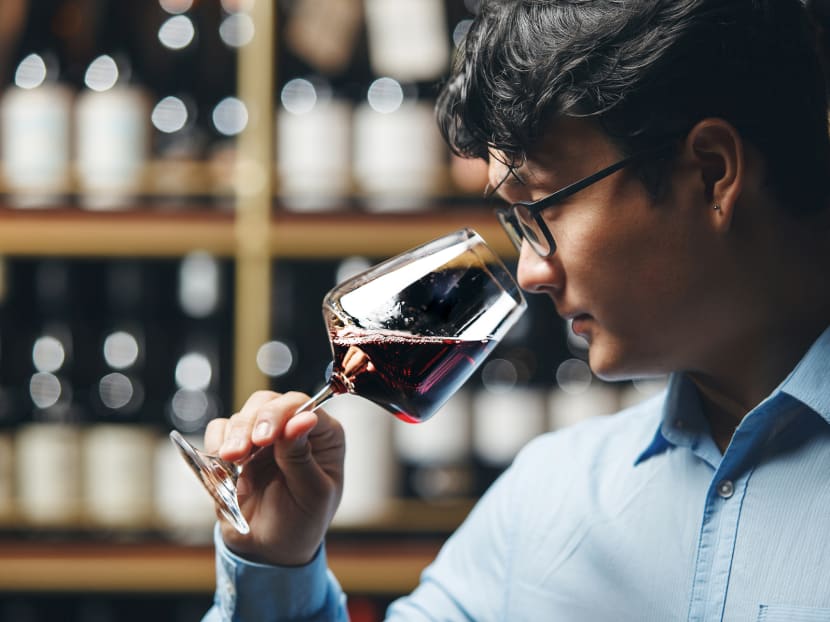
Alcohol consumption is on the decline globally and Gen Z is leading the charge. (Photo: iStock)

This audio is generated by an AI tool.


Far from relying on long held tropes about wine drinking, today’s youngest drinkers of legal drinking age are rewriting the rules of what it means to enjoy a good tipple. For this curious generation, savouring an alcoholic beverage is often less about status and more about storytelling.
Whether it is a biodynamic sake from Japan, a juicy red from an under-the-radar wine region like Greece or Georgia, or a lesser known Italian white varietal, Gen Z wants bottles that reflect their identity, not their parents’ palate.
No surprises that social media aesthetics matter to this generation. For many of them, a bottle is not just judged by what is in it, but also by whether it is post-worthy. This is why eye-catching design, compelling backstories and a dose of cool factor can go a long way with digital natives who spend up to 42 per cent of their waking hours in front of screen.
Consequently, even though wine brands still lag behind the slick marketing of big beer and spirits players, the rise of AI creative tools is already helping to level the playing field. With more accessible ways to craft engaging content, winemakers may soon have a better shot at capturing Gen Z’s attention — and earning a spot on their feeds as well as their tables.

As it is, while only about half of Gen Z (those born between 1997 and 2012) is currently of legal drinking age, their influence was impossible to miss at Vinexpo Asia 2025, a major wine and spirits trade show held in Singapore in May. The event, with over 1,000 exhibitors from 30 countries, highlighted a new wave of drinkers who value authenticity, sustainability and connection over tradition for tradition’s sake.
From masterclass tastings to panel discussions, producers and industry insiders alike acknowledged the rise of the next generation of drinkers who will shape what’s in and what’s out in the years to come. We take a closer look at what is actually filling Gen Z’s glasses these days.
THEY ARE CONSUMING LESS BOOZE
First up, some sobering news for the industry: Alcohol consumption is on the decline globally and Gen Z is leading the charge. According to a March 2025 YouGov survey presented at a panel discussion at Vinexpo Asia, this generation is drinking significantly less than their predecessors in a shift driven by economic caution as much as lifestyle choice.
In challenging economic times, young consumers with limited disposable income may not feel inclined to spend on non-essentials such as wines and spirits or entertainment, said Rob Temple, managing director of Sinowine and a Vinexpo partner, who took part in a panel discussion as part of The Vinexpo Academy’s programme.

Additionally, drinking less could also be a deliberate health and wellness choice, leading to more sober-curious consumers and dry nights.
Even when they do dine out, Gen Z’s favourite F&B haunts may not offer a full alcohol menu, or they may lean toward more affordable options. This could be why beer remains the top choice, with 37 per cent of Gen Z drinkers naming it their go-to, according to the YouGov survey.
Philippe Chan, general manager of YouGov Hong Kong and China also noted the rising popularity of sparkling wines like Prosecco, which deliver a sense of premium indulgence without the champagne price tag. “That is a big draw for younger drinkers who are looking for something celebratory but accessible,” he said.
Also, there has been a fundamental shift in how this generation spends its leisure time by putting in more hours online and socialising virtually than going out in the traditional sense, said Temple. Accelerated by the pandemic, this change means fewer spontaneous bar nights, further contributing to the drop in casual alcohol consumption.
THEY ARE WILLING TO SPEND ON BETTER BOTTLES
But that does not mean they are teetotallers. Rather, they are being more intentional about what, when and why they drink.

“Gen Z is drinking less, but they are drinking better,” said Mason Ng, group wine director at Park90. “Rather than multiple bottles, they might go for one really nice glass or a rare producer they have read about.”
Wine communicator Jessica Anne Tan, who curated the masterclasses and panel discussions at Vinexpo Asia 2025 for the Italy pavilion, observed that younger drinkers in Singapore tend to value the communal experience of clinking glasses. “Price is not a primary concern for them, it is about enjoying the moment together,” she said. For instance, many are happy to split a bottle among a group of 10 friends for the shared experience of enjoying a drink together.
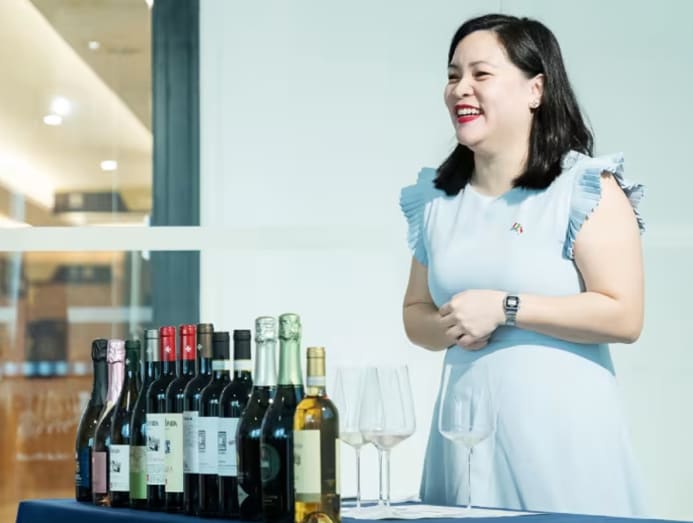
This shift is prompting a serious reimagination of traditional wine bar menus and pricing. “It means rethinking our by-the-glass lists and finally moving away from outdated three-times markups. The future is about access, quality and experience, not just volume,” said Ng.
STORYTELLING OVER STATUS
For a generation that values authenticity and resonance, what is in the glass does matter, but why it is in the glass matters even more.
“Grape varieties and terroir are interesting, but this is not the starting point,” said Mason Ng. “They are definitely more focused on whether the wine speaks to something bigger than just what is in the glass. What really matters is why the wine exists — the people who made it, the style of wine, and the story behind the bottle.”
Bonus points if a bottle can spark wanderlust, with Gen Z gravitating towards tipple from places they have visited or dream of exploring. With Japan currently one of the most popular travel destinations, the “Japan effect” is especially evident in the growing interest in sake.
Ironically, while sake carries an “old-fashioned” or traditional image among many young Japanese, it is enjoying a renaissance in export markets where Gen Z sees it through a different lens as cool, craft-driven and culturally rich.
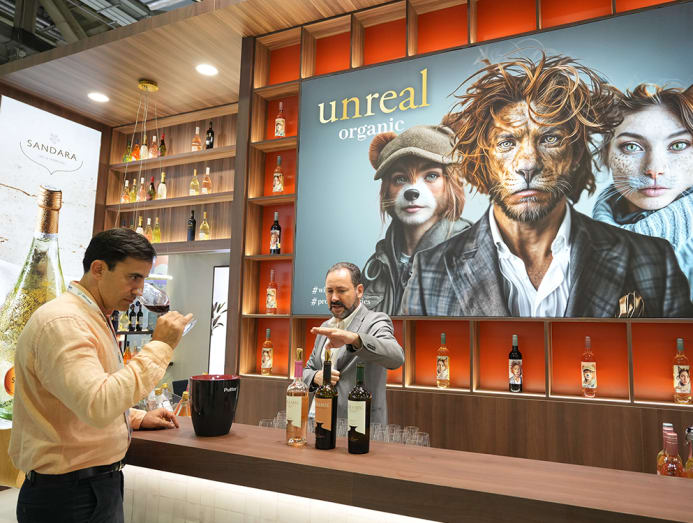
Besides sake, Ng has also noticed that young drinkers are curious about wines from under-the-radar Hokkaido, which is a popular winter sports destination.
Italian wines too have benefitted from the surge in travel, with red and sparkling wines, growing in popularity. “There is an emotional connection to Italy’s rich culture, art, and culinary heritage, which many young people already admire. Italian wines bring that lifestyle to life in a bottle as they tell a story of place, tradition, and craftsmanship that younger audiences value,” said Matteo Zoppas, president of the Italian Trade Agency.
ADVENTUROUS PALATES
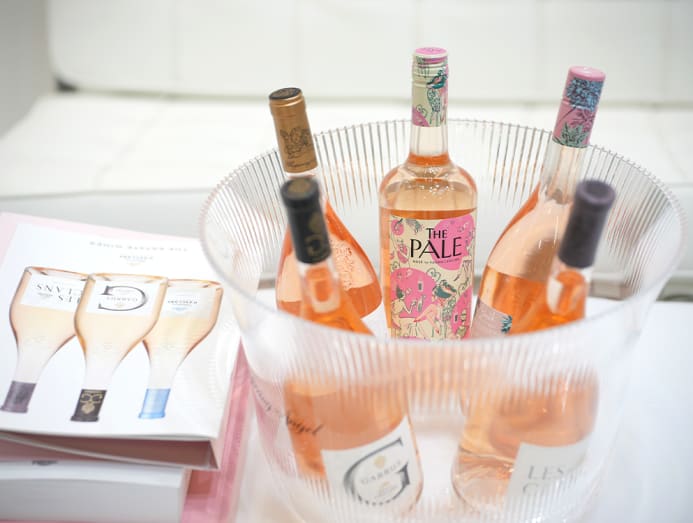
Forget Grand Cru snobbery or collecting labels for clout. Instead, Gen Z tend to prefer seeking out drinks that are different from what their parents like.
For instance, they show a stronger preference for white and rose wines compared to reds, a more traditional choice among older drinkers, said Chan of YouGov.
But it is the drinks with offbeat intrigue that really captures the younger generation’s imagination, such as a pet-nat from Australia or a red from Serbia, observed Temple.
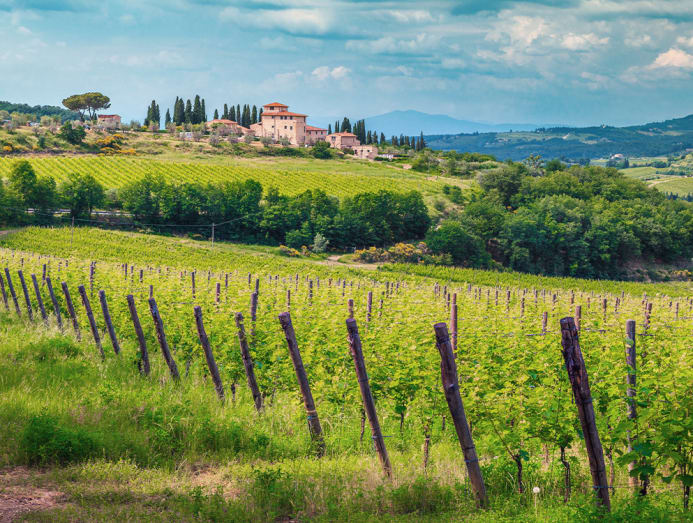
This adventurous streak is backed by data. According to the YouGov survey, 63 per cent of Singaporean drinkers expressed interest in biodynamic wines, 55 per cent in organic and 48 per cent in sustainable labels, suggesting that provenance, ethics and process matter just as much as taste.
When it comes to taste profiles, younger drinkers tend to prefer more “approachable” wines that are slightly sweeter and lower in acidity and tannins. For instance, Tan has noticed a preference for Amarone and Primitivo wines from Italy, which offer a riper, jammy character which can be more appealing to younger palates.
She said: “This highlights a broader trend of selecting wines that are fruit-forward and easy-drinking, particularly among those with early exposure to wine culture.