Will baijiu become the cocktail world’s next obsession?
China’s national tipple is finally stepping out of the banquet hall and into cocktail glasses, with bartenders believing that baijiu could be the next big thing in mixology.
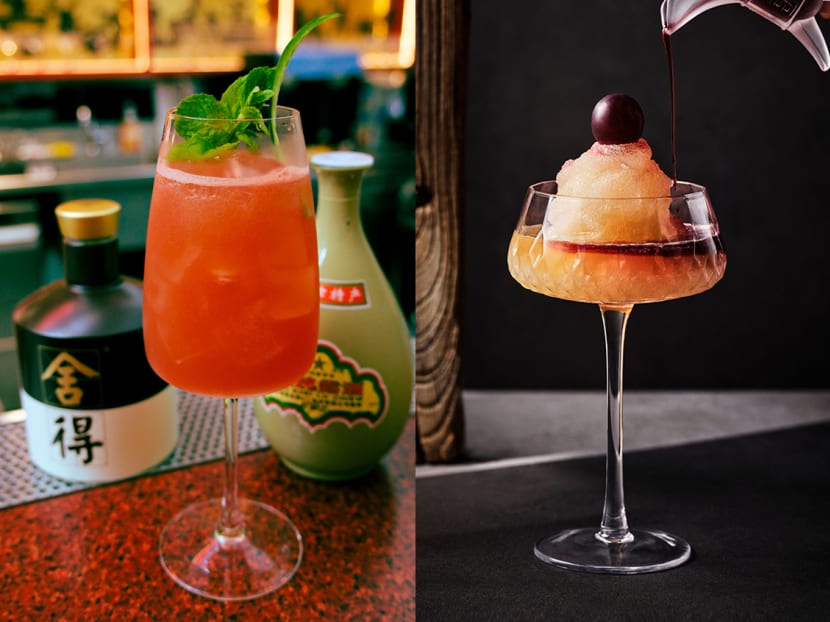
Baijiu has slowly begun circulating outside China, as distilleries actively court younger, more adventurous drinkers beyond the traditional connoisseur. (Photos: Choon Hoy Parlor & Tiao)

This audio is generated by an AI tool.


The first time I drank baijiu was at what can only be described as a big, fat Chinese wedding in the motherland. The kind that had, give or take, a thousand guests, an endless parade of banquet dishes and the soundtrack of “ganbei” (bottoms up in Mandarin) reverberating through the massive hall.
The clear spirit is typically served neat in thimble-sized cups smaller than a shot glass. But with endless spirited toasts, it did not take long for proof levels to skyrocket. Soon my palate was overwhelmed, and I wondered if my tastebuds would ever recover.
Years later, I found myself in Beijing at Mandarin Oriental Qianmen’s elegant Tiao cocktail bar, sipping a tasty blend of whisky, baijiu and yoghurt. This time, the firewater was tamed, coaxed through mixology into a fragrant beverage that allowed me to appreciate its complex character.

This revelation made me rethink my previous stance on the world’s most consumed and highest selling distilled spirit and it turns out, I am not the only one finally noticing the tipple.
It is an irony worth savouring. Despite the staggering amount of baijiu consumed − in 2024, Chinese baijiu giant Moutai was crowned the world’s most valuable alcohol brand by independent consultancy Brand Finance for the ninth year running − it still retains its mystique outside China as most of its sales happens domestically.
Baijiu has slowly begun circulating outside China, as distilleries actively court younger, more adventurous drinkers beyond the traditional connoisseur. Instead of downing the drink the usual way, drinkers are exploring baijiu as a versatile cocktail ingredient, where its bold flavours can be layered, softened or amplified in inventive ways.
Credit goes to trailblazing mixologists across the region who are beginning to reimagine this complex liquor by incorporating them into their creations, serving up a fresh take on the spirit in ways that make it more approachable − and palatable − to the vast majority of drinkers who have never tried it before.
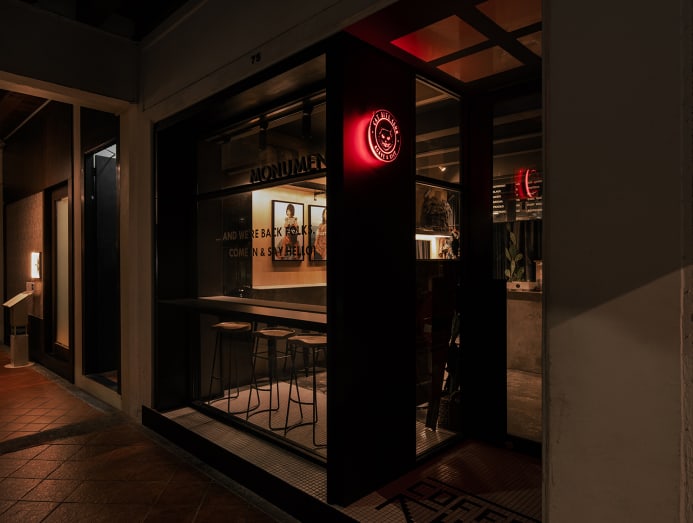
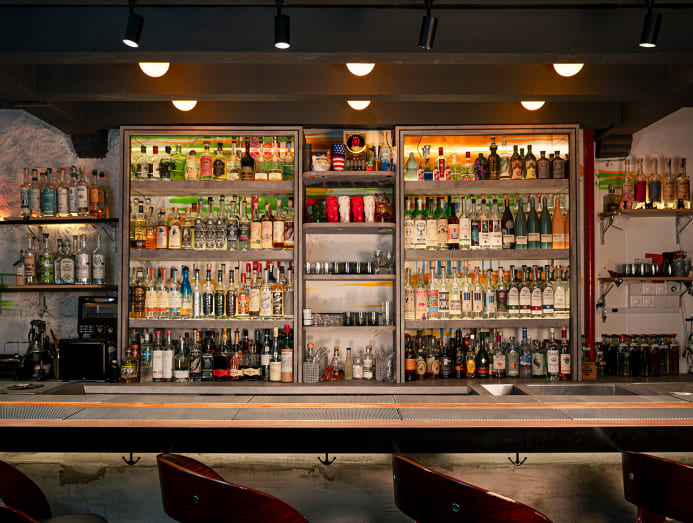
In Singapore, bars like Cat Bite Club and Hup San Social Club at Club Street Laundry are increasingly shaking up baijiu cocktails. At contemporary Sichuan restaurant Birds of A Feather, diners can even customise their cocktails with a choice of premium Wu Liang Ye or Moutai to experience flavour nuances.
“Bartenders are constantly pushing boundaries, experimenting with unique ingredients and techniques to stand out and baijiu, with its bold character, presents both a challenge and an opportunity,” said operations manager Teh Yong Sheng, citing the restaurant’s unique Tian Mi Mi cocktail, which is served with baijiu ice cream.
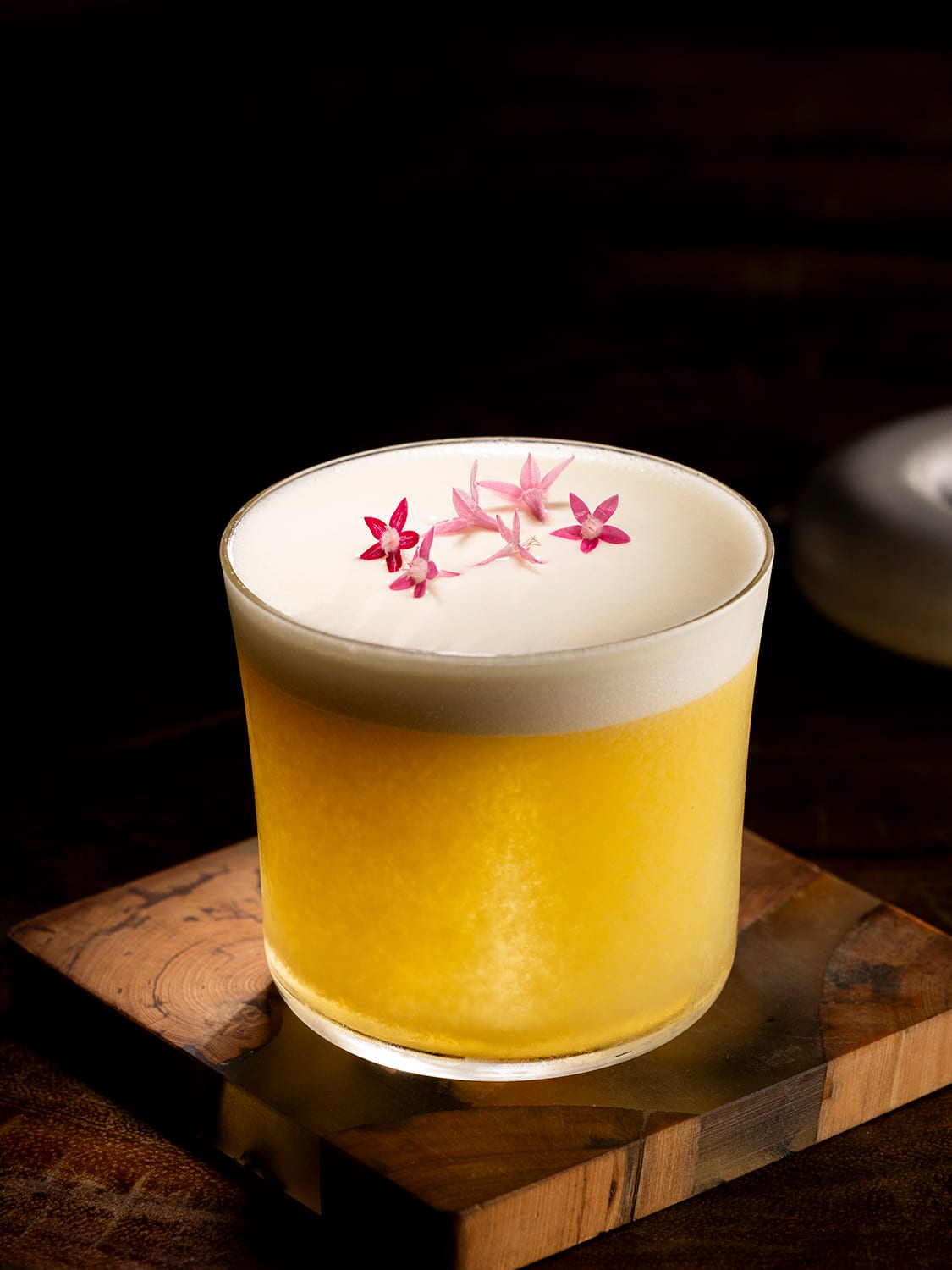
“As the bar scene progresses, drinkers may feel fatigued by repetitive flavours and there is a growing curiosity to try something new, leading more people to discover baijiu cocktails, hence helping to shift perceptions and broaden appreciation for the spirit,” he added.
With scant information available abroad, many of the early movers innovating in the baijiu cocktail scene are those who first learnt about the spirit in China. Take American Nick Lappen, head of bar at Jing at The Temple House in Chengdu, who was introduced to Moutai by his former boss while in Guizhou. He has been a fan ever since.
“I find baijiu compelling because of its diverse styles. Misconceptions about baijiu often mirror international perception of goods from China. Before I moved to China, I thought I knew a lot about the country, but I quickly realised much of that was based on inaccurate assumptions. There is a common perspective that views everything from China as strange, exotic or low quality – which simply is not true,” he said.
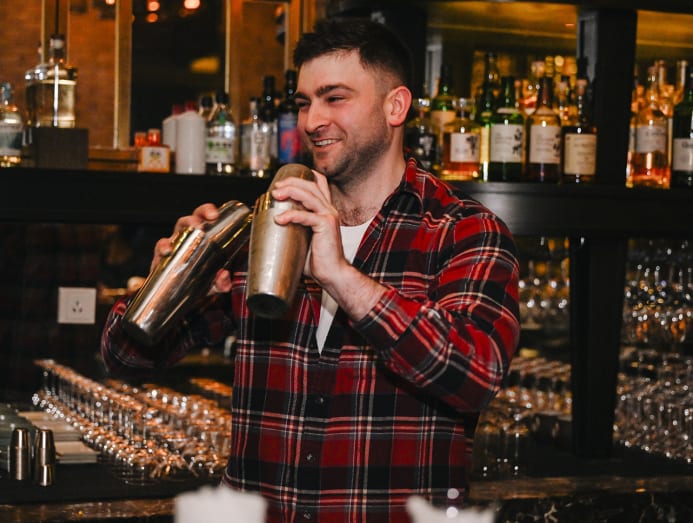
So, he began creating cocktails with baijiu, noting that guests are often “surprised by its range of flavours and complexity”.
While most first-time drinkers might associate the spirit with the “strong” or “sauce” aromas of deep and savoury intensity in the more commonly found brands, baijiu actually comes in 13 recognised flavour categories. Some lean towards lighter, fruit-forward or floral profiles, while others carry a softer rice aroma. This spectrum opens up wide creative possibilities for bartenders looking to weave its character into cocktails, whether as a bold focal point or a subtle, aromatic accent.
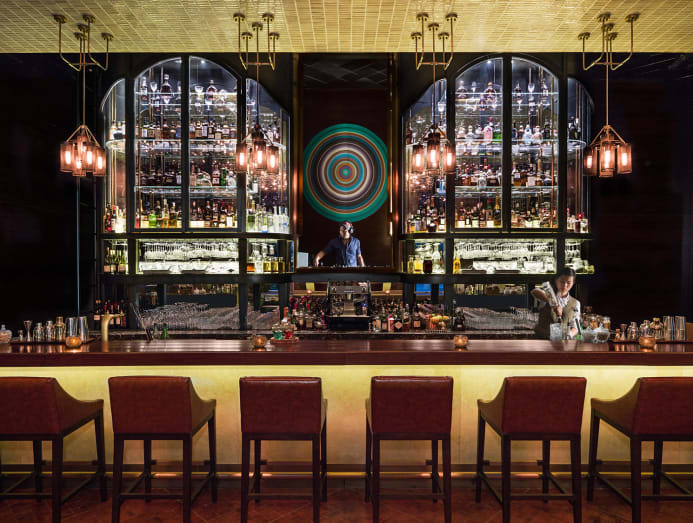
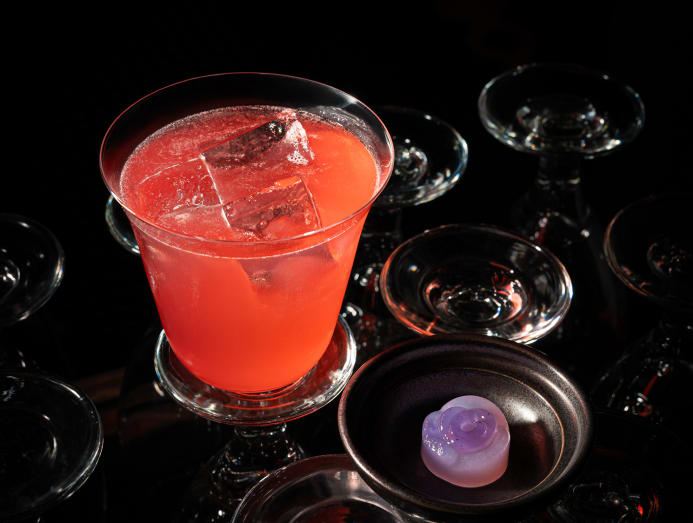
For example, on Jing’s current menu is a cocktail named Fatal Flying Guillotine, made with Tabb baijiu, lychee, pomegranate and rose to create a compelling blend of juicy, tart and earthy notes.
Interestingly, as younger drinkers increasingly seek beverages with lighter alcohol content, baijiu’s bold character can actually enhance cocktails without requiring the excessive use of alcohol. “With its high strength and bold flavours, adding just a small amount into more delicate cocktails can surprisingly elevate their complexity, add depth and leave a lasting impression on the palate,” said Lappen.
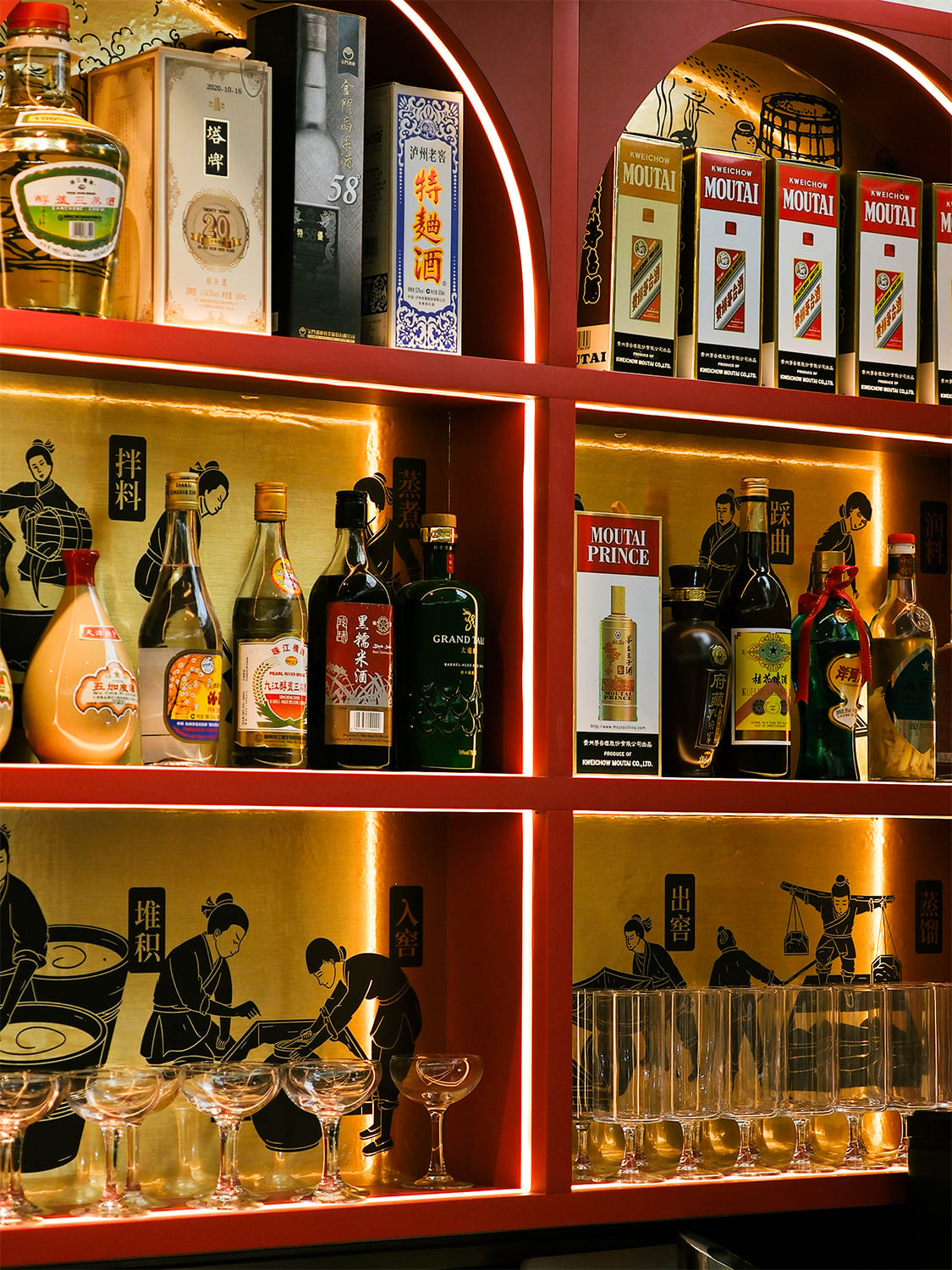
In Singapore, one of the champions of baijiu culture is Choon Hoy Parlor, a sleek restaurant serving up Singaporean soul food complemented by a bar focused on Asian beverages. It houses what is possibly the largest baijiu collection in Asia outside of China, with 30 labels − and growing.
Chef-owner Dylan Ong first became intrigued when he tasted the tipple at a friend’s gathering and decided to build a collection at his restaurant. “Baijiu pairs surprisingly well with Singapore-style food because its bold, layered character complements our cuisine’s equally bold, layered flavours. It is like matching a strong personality with another strong personality as sparks can fly in the best way,” he said.
“For me, there are a few key points of harmony like the way its heat and spice match our dishes and the cultural synergy it brings to the table. Cocktails are a great way to introduce baijiu because they let diners experience its unique flavours in a softer, more approachable form.”
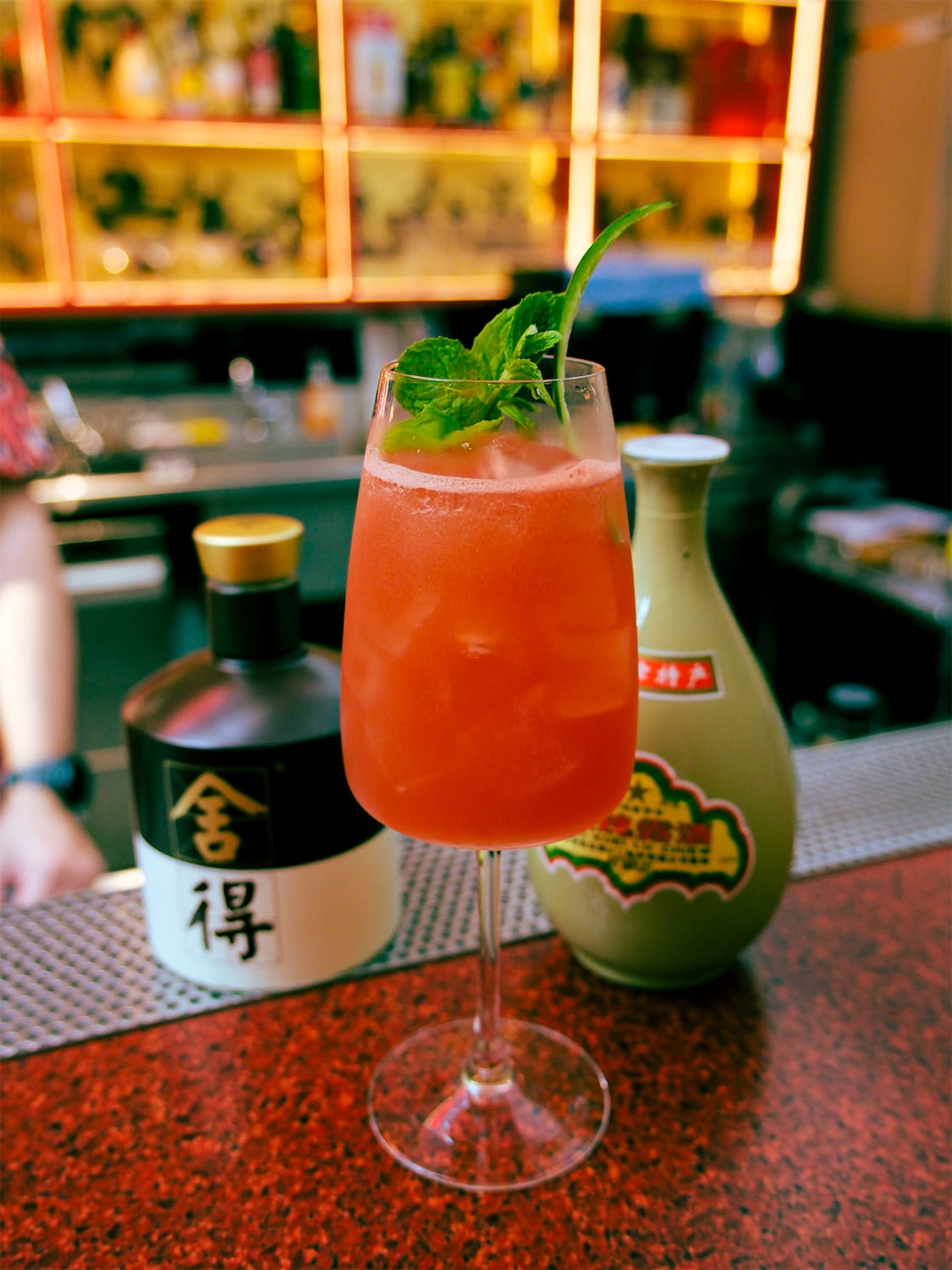
One ingenious concoction is Wo De Mei Ren (loosely translated to mean “my beautiful lady” in Mandarin) which is made with She De and Mei Gui Lu baijiu and layered with fresh watermelon, orange and lime. The naturally fruity tones of the spirit meld with the watermelon’s juicy sweetness, creating a bright sip with a refreshing finish.
While the use of baijiu in modern cocktails is still in its infancy stage, there is already some consensus on the ingredients and drink formats it works well with. For instance, Jesse Vida, co-operating partner at Cat Bite Club said that tropical tiki-style drinks are a great fit for its flavour profile.
Drawing inspiration from Sichuan cuisine, which naturally pairs well with baijiu, Chengdu-based Lappen looks for cocktail ingredients that carry a similar intensity to the food, like Jamaican rums, amaro or herbal liqueurs like chartreuse.
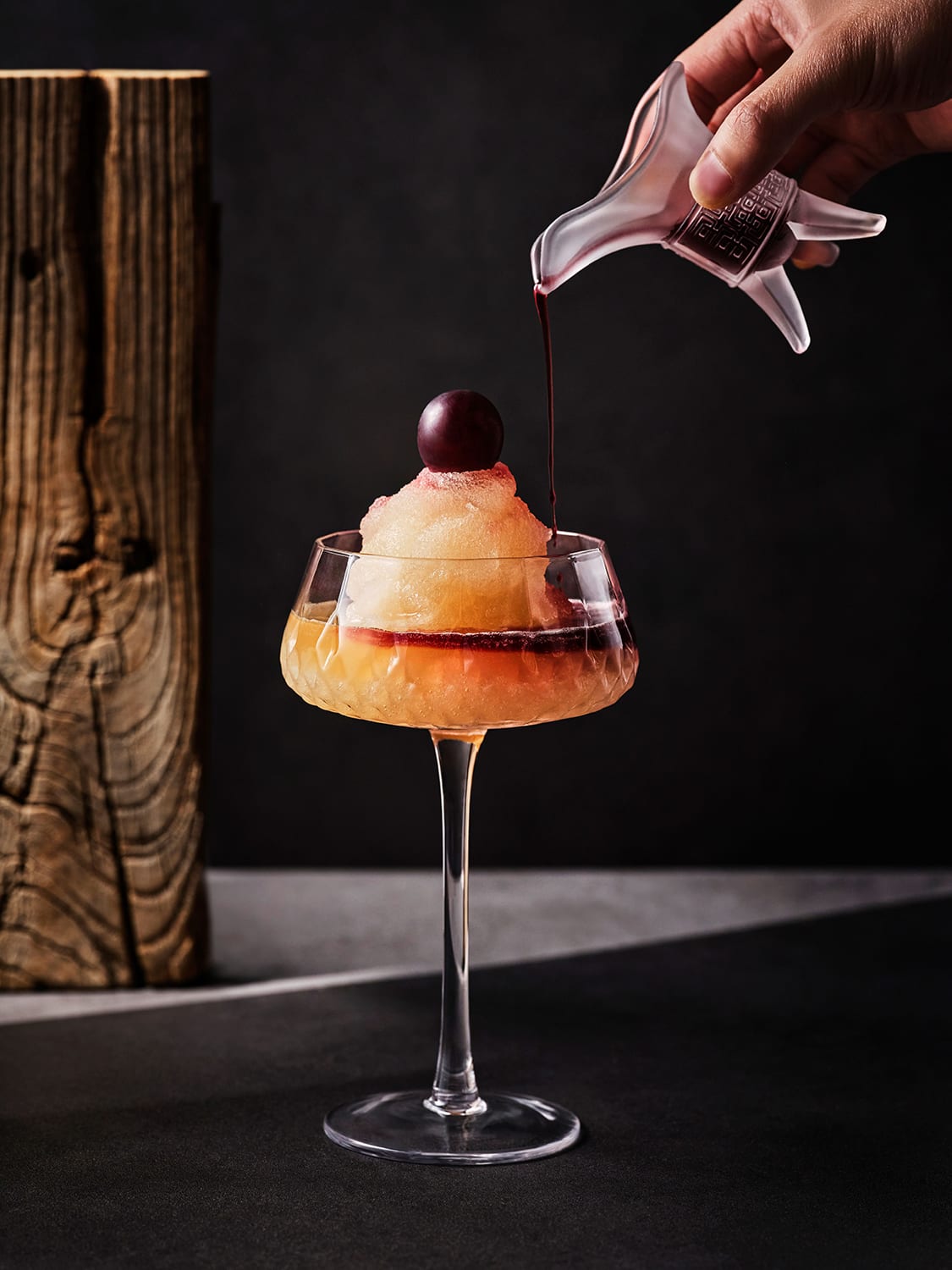
What is clear is that with so much untapped potential combined with its heritage and diverse characteristics, baijiu could eventually follow the same trajectory as mezcal or rum — once niche spirits that now enjoy mainstream status.
Benson Tong, a chef turned baijiu sommelier and educator is “hopeful but cautious” about the spirit’s path to more prominence. He believes that “more visibility in high-end bars and restaurants around the world would demystify it and accelerate acceptance”.
He said: “The challenge is that it will take time for people to learn to appreciate it because of its intense flavour. However, rum and mezcal also have strong flavours and through cocktail culture and storytelling, both spirits won fans over. With the right conditions, I believe baijiu could be next.”