Dining in Bangkok: 5 under-the-radar restaurants that deliver standout cuisine without the hype
In a city where fame and flavour often collide, a handful of restaurants prove that confidence lies not in spectacle, but in mastery.
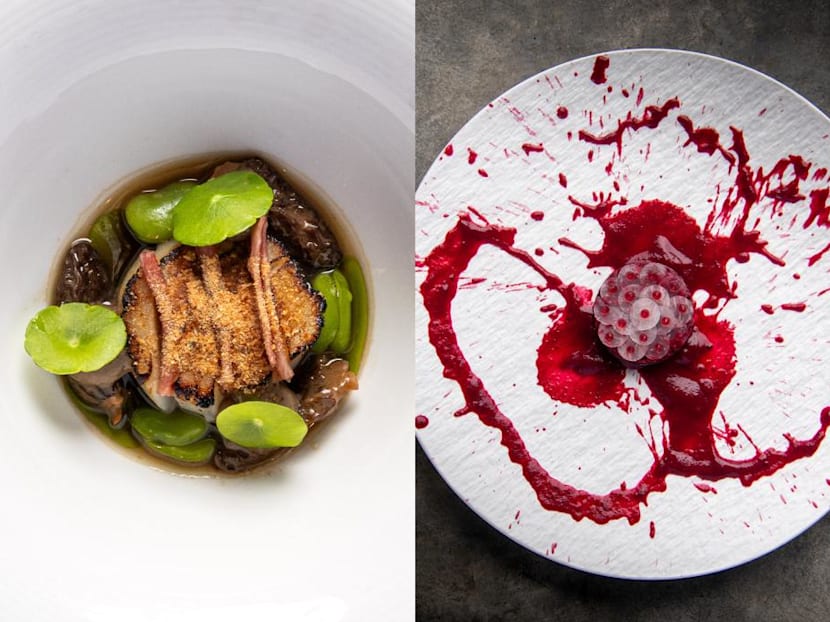
In the rush to chase stars, a few brilliant restaurants in Bangkok have slipped quietly under the radar. (Photos: Clara, Saawaan)

This audio is generated by an AI tool.


Bangkok has swaggered its way onto the global dining stage. The arrival of the Michelin Guide turbocharged what was already a thrilling scene, pushing chefs to raise their game and giving the city the confidence to take its place alongside Tokyo, Singapore, and Hong Kong as one of Asia’s true culinary capitals. Kitchens became bolder, ambitions sharper, and diners more discerning.
But with fame comes frenzy. In the rush to chase stars, likes, and whatever’s “new,” a few brilliant restaurants have slipped quietly under the radar.
From pitch-perfect Italian and fine-dining finesse to elevated gap glaem –Thailand’s drinking food – these venues represent the best of Bangkok’s second wave: confident, characterful, and admirably unconcerned by the surrounding noise.
CLARA
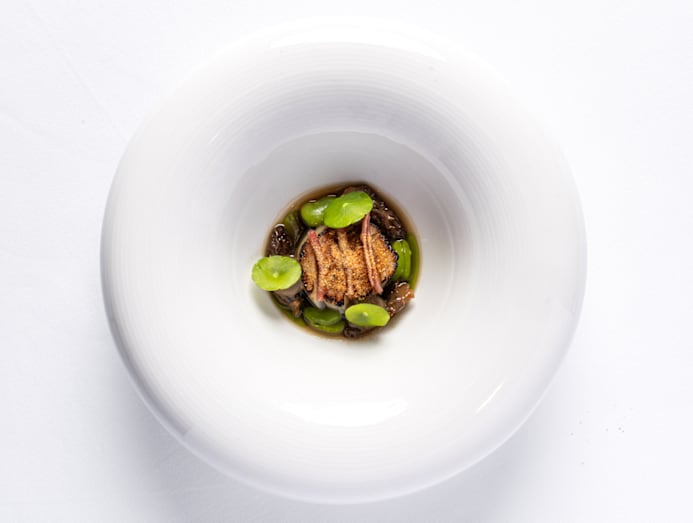
Secreted away amidst the leafy, labyrinthine alleys of Sathorn, one of Bangkok’s purest culinary love stories continues to blossom. It is here, in one of the neighbourhood’s most striking villas – a high-walled beauty that was once an art gallery – that chef Christian Martena and his wife, muse, and host Clara Del Corso Martena curate an Italian fine-dining experience that ranks among Asia’s most special.
Their restaurant, Clara, is as much a reflection of their shared passion as it is a showcase of refined gastronomy. Christian, a chef whose resume spans acclaimed kitchens across Europe and Asia, brings technical brilliance and a deep respect for produce to every plate. His cooking is rooted in Italian traditions, many drawn from his native Puglia, yet expressed through contemporary artistry, resulting in dishes that are elegant, surprising, and emotionally resonant.

Menus change with the seasons. CNA Luxury visited during the summer, where highlights included prosciutto e melone, with juicy melon accompanied by homemade otoro tuna ham and drizzled with Thai basil olive oil; Udon Italiano, a playful wink to Puglia where pici pasta is paired with different textures of tomato and topped with ricotta salata; and a dessert of fragola, where sweet strawberries sing alongside almond-infused Chantilly atop an amaretto biscuit.
Clara ensures the experience extends far beyond the food. With her warmth, grace, and attention to detail, she transforms the villa into a home, guiding guests through the journey with quiet confidence and charm.
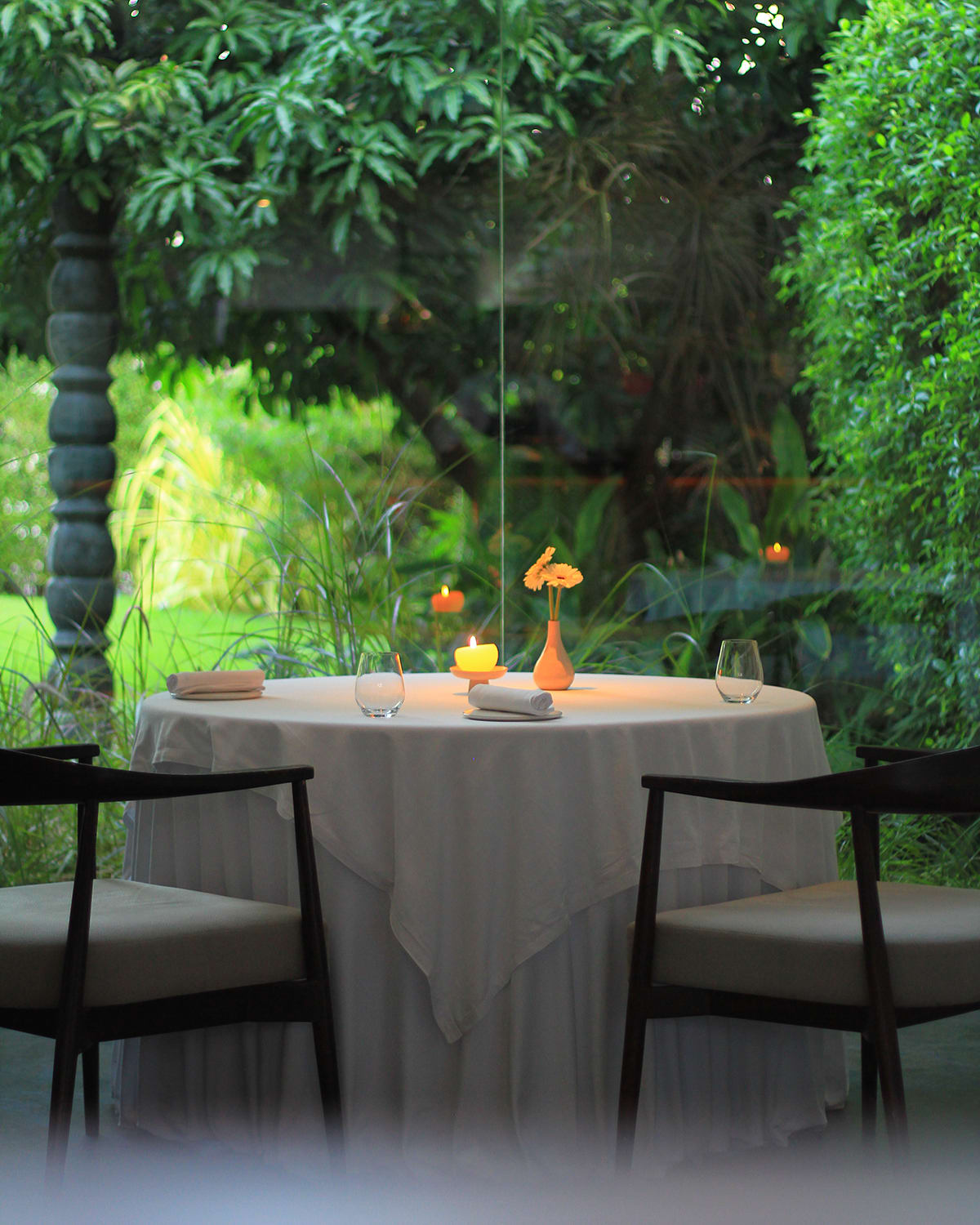
The setting adds to the enchantment. The villa retains its gallery soul, with clean lines, soaring ceilings, and curated works of art providing a dramatic backdrop to Christian’s culinary compositions. The interplay between the creative disciplines – food, design, and art – makes dining here an immersive cultural experience.
In a city overflowing with dining options, Clara stands apart through its intimacy and sincerity. By the time you’ve exited into the night, belly warmed by petit fours and Christian’s house-made chocolate liqueur, you’ll be smitten.
SAMLOR
Napol “Joe” Jantraget is one of the homegrown heroes of Bangkok’s fine-dining scene. The Thai chef and founder of legendary Old Town venue 80/20 is a man of many hats, balancing fatherhood with overseeing a growing empire comprising the Michelin-starred Nawa as well as contemporary favourites Kwann and Verlan.
Yet despite his success at the top end of gastronomy, Jantraget has never lost touch with the earthy flavours and potent spirits he grew up with. Samlor is a tribute to that more relaxed, soulful side of Thai cooking, with dishes paying homage to gap glaem (Thai drinking food) culture.
The name means “tricycle,” a nod to the street-food vendors who inspired the concept. Located on Charoenkrung Road, the first modern paved thoroughfare in Bangkok; now a conduit for the creative energy surging through the city's older quarters, Samlor is warm, unpretentious, and energetic.
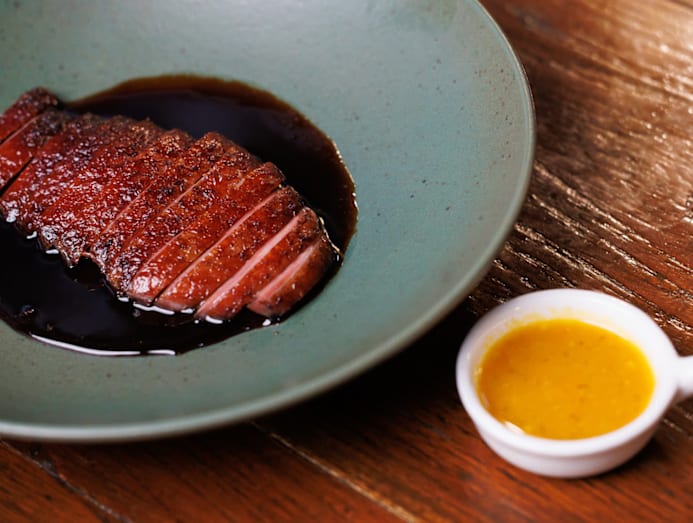
A rustic loft-style interior funnels towards an open kitchen presided over by chef Siripon "New" Suthichoti, a trusted lieutenant of Jantraget’s since the 80/20 days, creating an atmosphere that feels more akin to a neighbourhood gathering spot than a fine-dining restaurant. The focus is on seasonal ingredients and recipes that deliver impact without pretension.
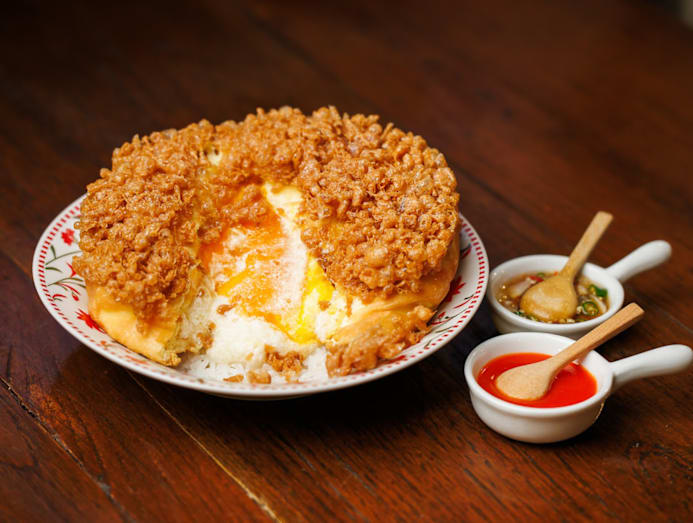
Dishes balance comfort and creativity. A signature Thai omelette arrives golden and fluffy, concealing jasmine rice within, while the spicy wagyu tartare and slow-cooked beef krapow showcase a knack for layering flavour and texture. A fiery “surprise fried rice” pays homage to Bangkok’s Chinese traditions, infused with smoky wok hei and chilli heat.
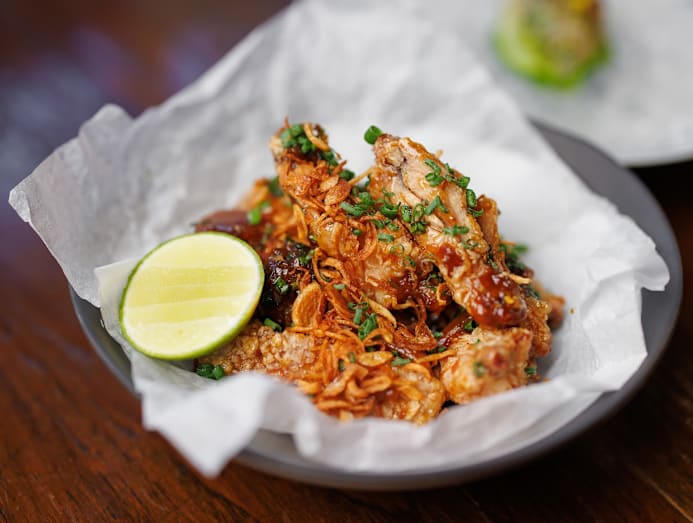
Samlor has earned a Michelin Bib Gourmand for its balance of quality and accessibility. Jantraget ranks it as his favourite of his restaurants – and with good reason. This is joyful cooking where the flavours of childhood are delivered with the same precision and passion you’d expect from a venue bearing the stamp of such an exalted culinary figure.
SAAWAAN
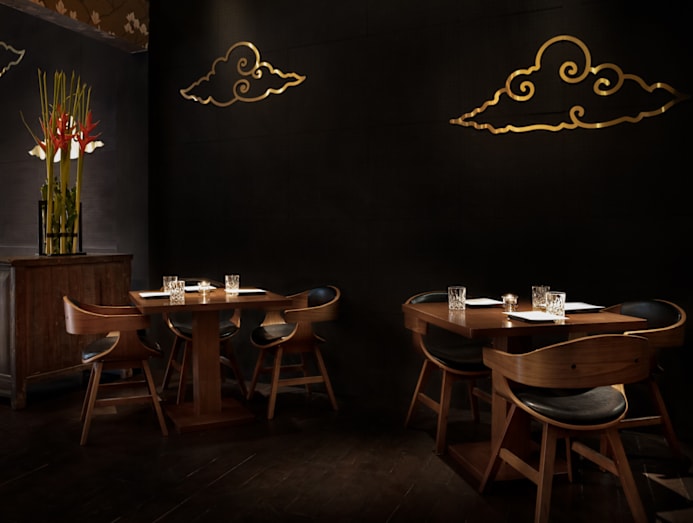
Michelin’s association with Thailand has not been without spice, the decision to dispossess Saawaan of the single star it held from 2019 until 2022 being one contentious instance. Inspectors may have spurned the venue (for now anyway), but its take on Thai cooking traditions such as dips, charcoal grilling, boiled soups and curries remains one of the city’s best modern interpretations of the Kingdom’s cuisine.
Saawaan means “heaven” in Thai. Therefore, it is fitting that the man tasked with keeping cuisine standards at a stratospheric level at the venue takes his nickname from one of the five elements of nature. Originally from Phuket, Saritwat “Earth” Wanvichitkun draws on his southern heritage to impart his personality on Saawaan’s existing MO.
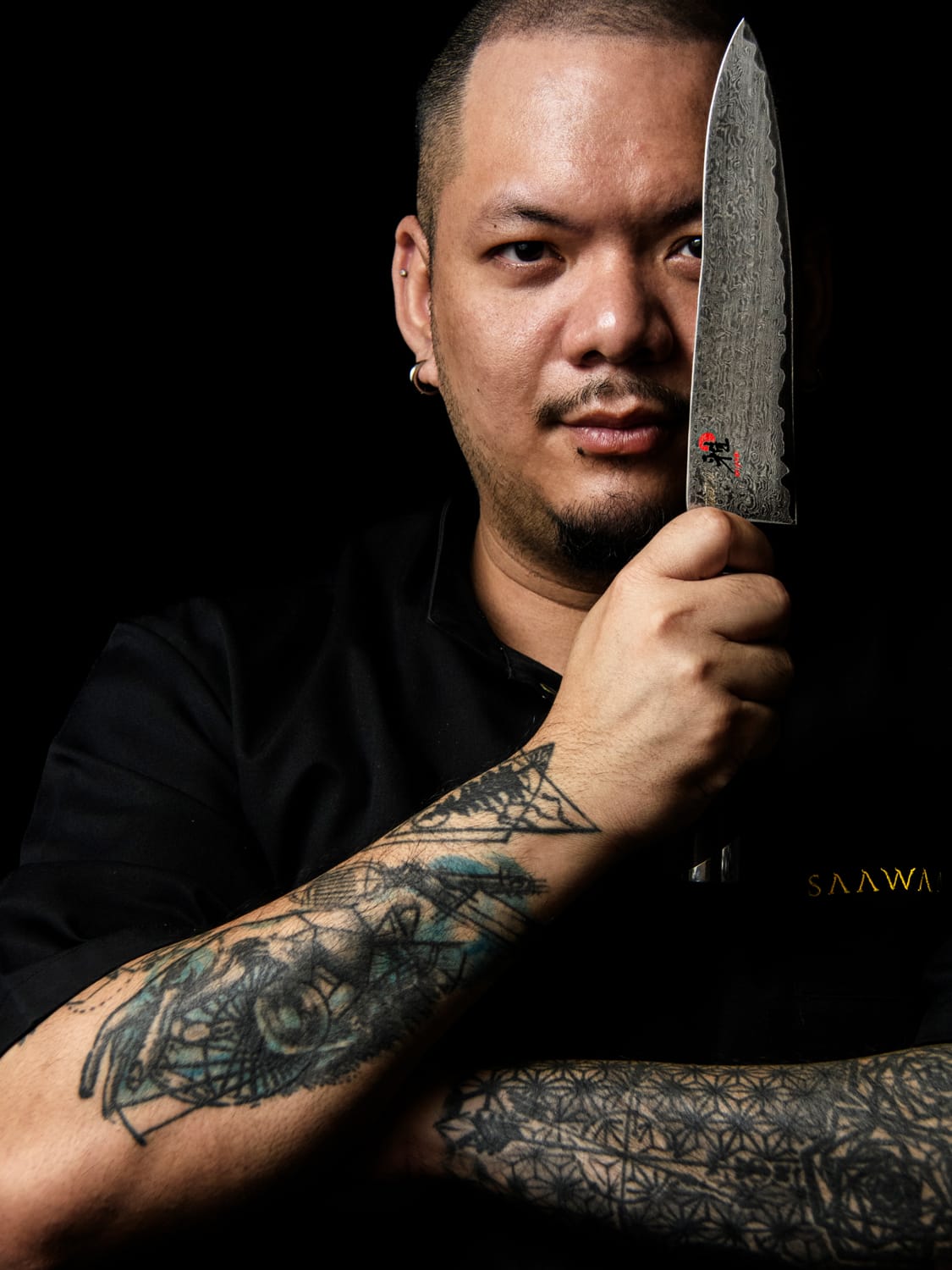
And he administers a succession of knockout blows during a tasting experience enhanced by a pairing with judiciously selected bottles from France, Germany, Australian and Chile.
Fermentation traditions are honoured via a tangy combination of Ratchaburi pork trotter and fresh turmeric. A steamed offering, meanwhile, sees delicate Ranong squid elevated with the fragrant zest of som sa (bitter orange), calamansi, lime, and kaffir lime.
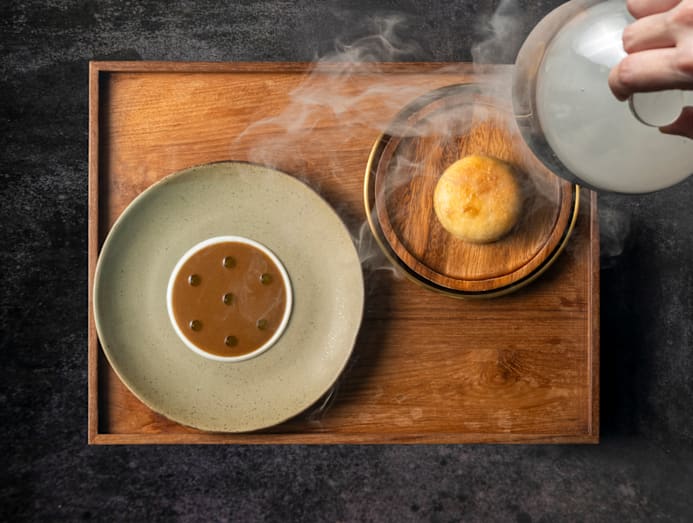
Similarly stellar is the raw offering, which involves blue swimmer crab sourced from Ranong. Fresh and sweet crab meat is delicately wrapped in two types of fresh mango. A rich smoked curry involves Phetburi lamb and Thai melon chutney slow cooked for six hours and stuffed inside a roti baka bun which is then grilled to perfection. But the meal highlight is arguably a stunning soup featuring Charolais beef in a rich, coconut broth elevated by palm heart and pickled shallots.
Earth’s alchemy is matched by the skills of Saawaan chef patissier Chayanin “Pond” Tanapradit, who confirms her growing reputation with a divine take on the northern classic kow pook nga, reimagined with riceberry pancakes, caramel infused with makwan pepper from Northern Thailand, Thai mochi and house-made perilla seed ice cream.
IODE
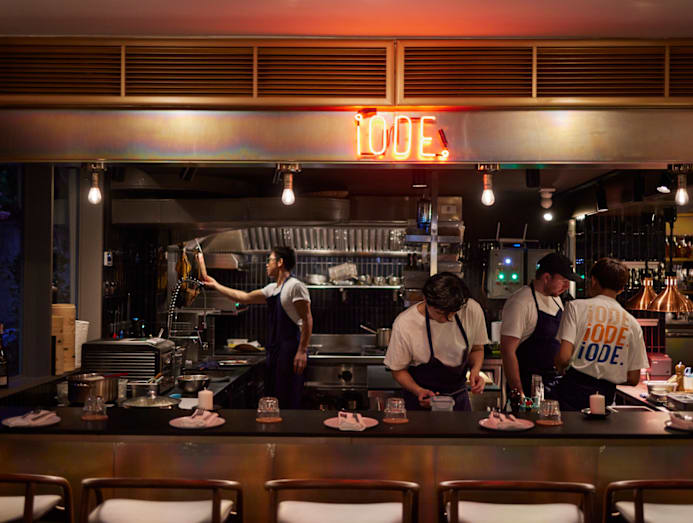
The siren song of the sea hits a melodious pitch at iODE, where the ocean's bounty takes centre stage.
Down a quiet alleyway in Sathorn, iODE channels the spirit of a Parisian bistro with the attitude of a modern culinary atelier. Led by Breton chef Franck Le Bayon, the restaurant reimagines French dining through a contemporary, Asian-leaning lens.
Inside its dusky blue facade, the space hums with energy. Dark wood, mirrored walls, and brass detailing lend warmth, while an open kitchen anchors the room in motion. It’s elegant but relaxed, a stage for Le Bayon’s flavour-forward approach to bistronomy.
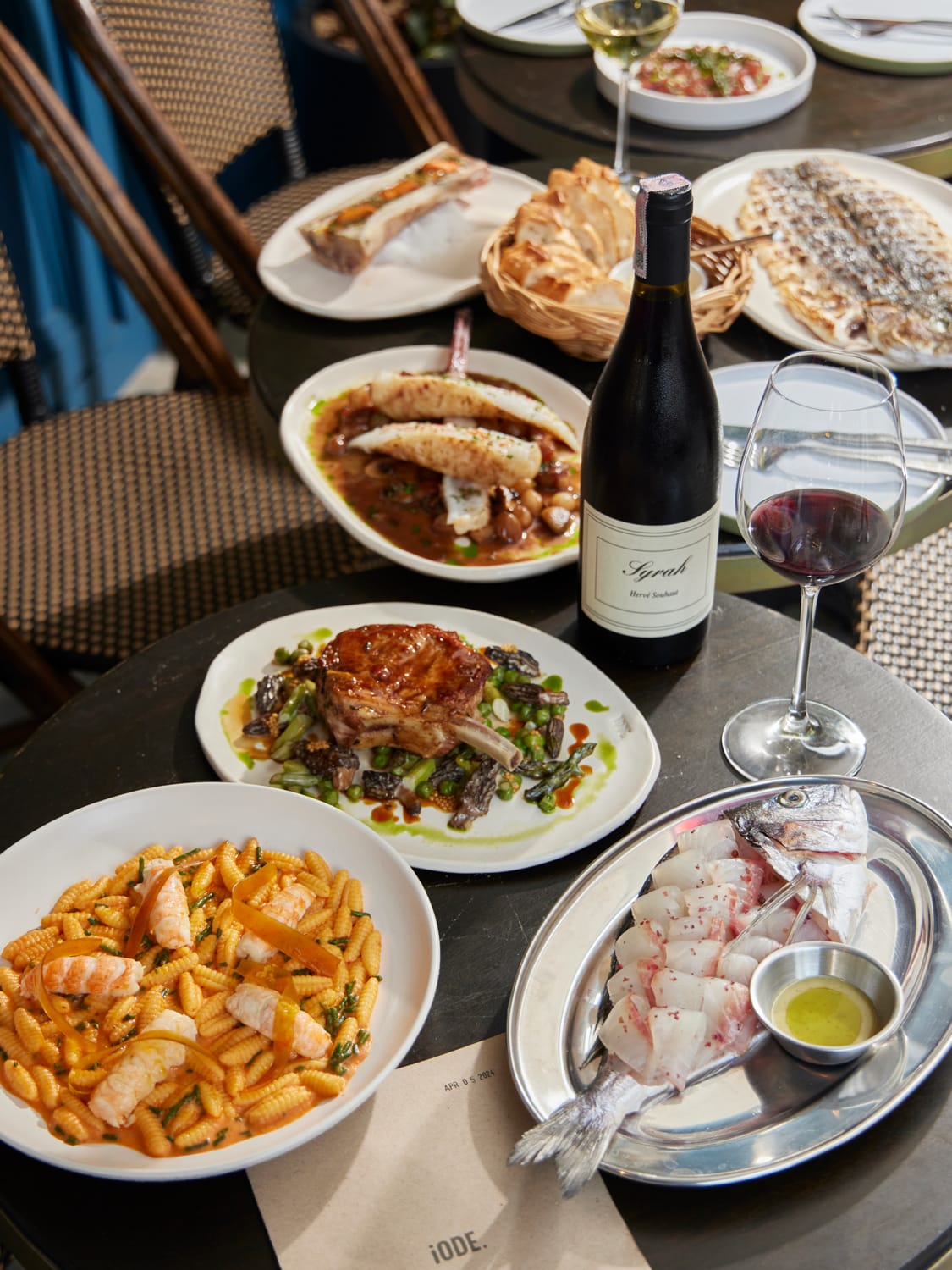
Small bites set the tone. Potato dauphins with bearnaise arrive crisp and golden, light as air. The bao with raw-milk raclette is indulgent theatre – pillowy buns that tear open to reveal molten, nutty cheese torched to a caramelised crust.
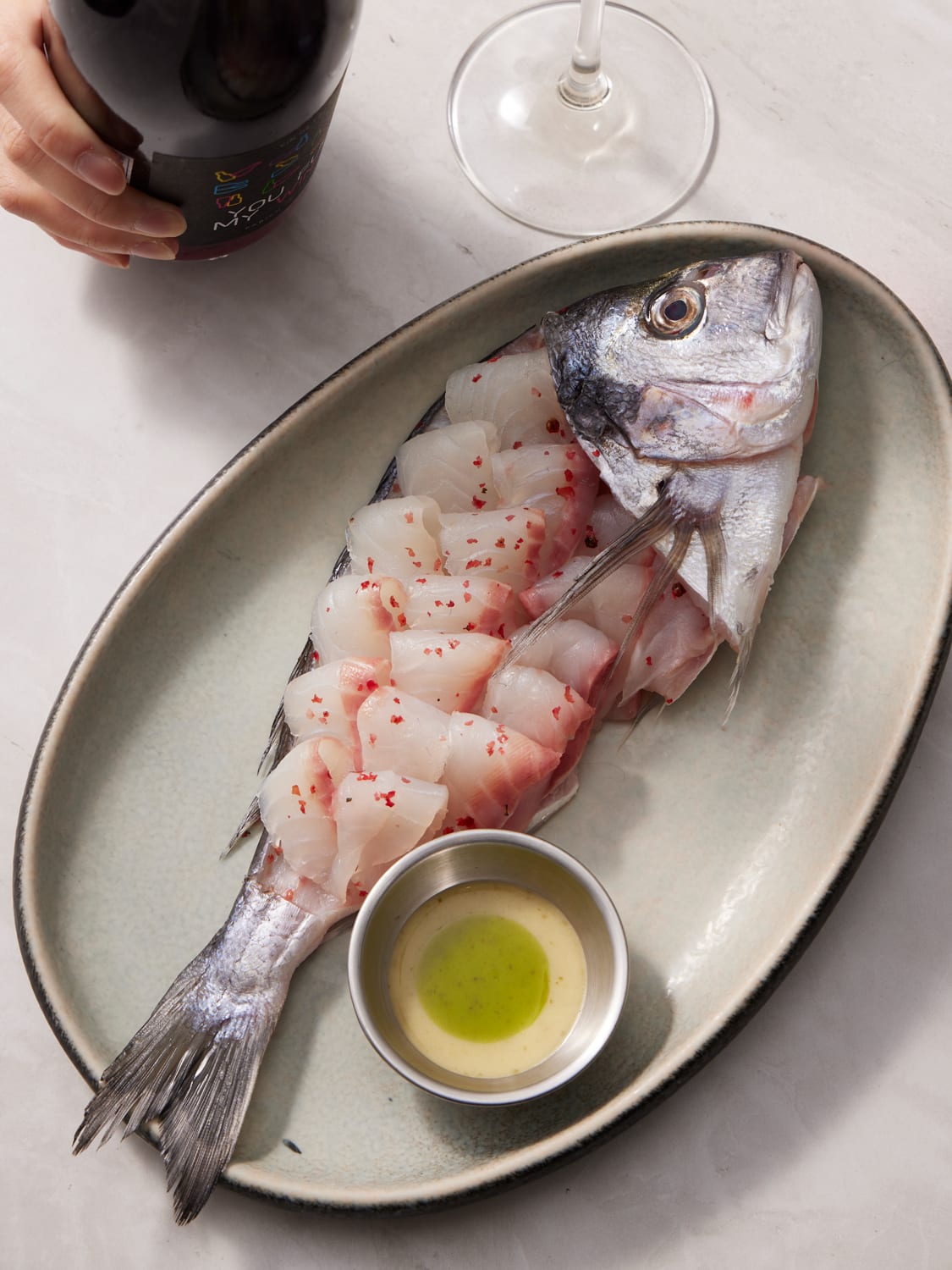
Seafood is the main act. The star of the show is the dry-aged seabream sashimi, a social-media sensation that deserves its viral fame. Served whole and slicked with yuzu kosho, the fish is at once delicate and punchy, its subtle umami balanced by citrus brightness.
A lavish signature pasta involving uni, shrimp, and cockles veers a touch heavy, but a lighter touch shine in a plate of razor clams dusted in panko and accompanied by beurre maitre d'hotel. Fresh seafood platters let unadorned fruits of the brine shine with simplicity.
BURAPA
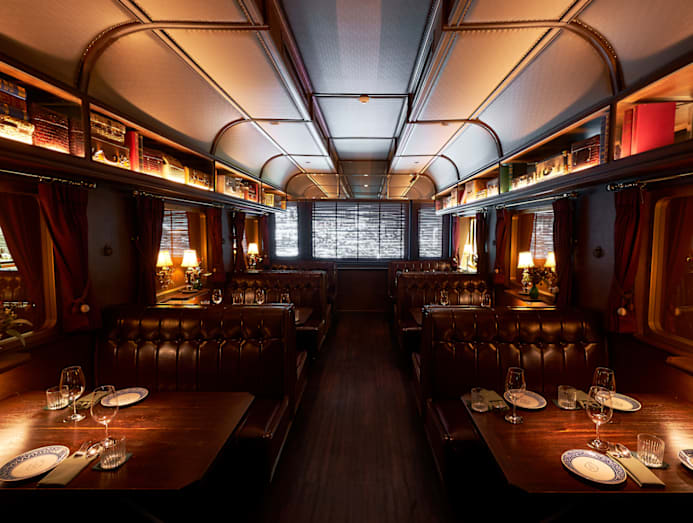
In a city in perpetual motion, there's never much time to pause in Bangkok. And such is the case at Burapa, where diners are whisked away on a journey around Thailand's eastern and northeastern provinces.
It's a convivial exploration, with all three floors of the narrow shophouse restaurant converted to resemble Eastern & Oriental train carriages complete with button-back leather chairs, brass rails, black marble tables, velvet drapes, and warm lighting. But it is the food that is the most compelling part of this odyssey.
Meaning “east” in Thai, Burapa is the sibling of the acclaimed Sri Trat, and while its older sister focuses on the cuisine of Trat province, Burapa expands the map, weaving in the fiery, herb-driven flavours of Isan. The results are dishes that are as grounded in family tradition as they are elevated in execution, many drawn from recipes belonging to the owner’s mother.
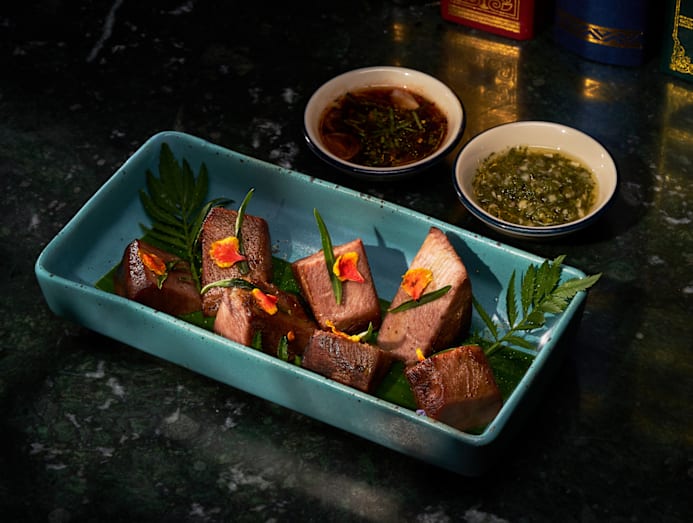
Highlights include chicken curry with dried fish and banana shoots; tom jiw braised beef-tongue soup with a twist provided by grilled unripe durian and rustic Thai herbs; and a seared duck-breast red curry with young coconut and caramelised pineapple. The red curry with lump crab meat, crab roe, and pumpkin is a crowd-pleaser – rich, sweet, and full of ocean depth – while a simple stir-fried cabbage with Trat fish sauce proves that even the humblest ingredients can shine in the right hands.
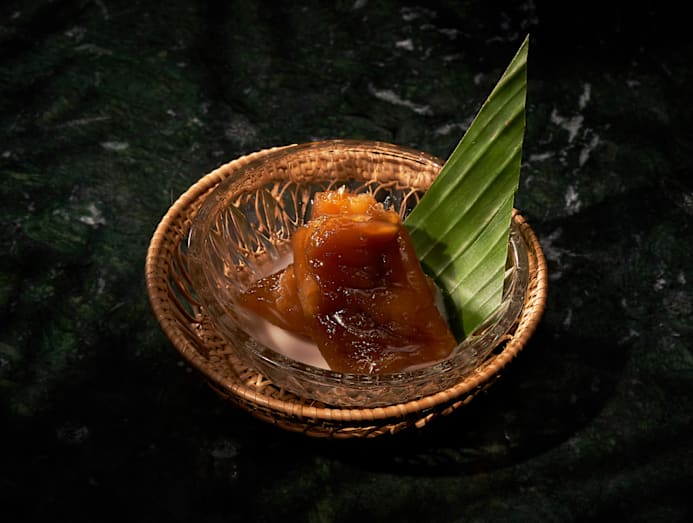
The cocktails nod to the restaurant’s train-car elegance, but the real pleasure lies at the table rather than the glass. Service is genial if a little hands-off, though the sheer quality and consistency of the food mean you’ll hardly need guidance. Reservations are essential; the dining rooms are often filled with well-heeled regulars drawn by the buzz and the promise of comfort laced with sophistication.
Burapa may take its design cues from the golden age of travel, but there’s nothing old-fashioned about its ambition. Little surprise it’s a venue that continues to go places.