Who says good wine has to be expensive?
Singapore’s top sommeliers spill their favourite under-the-radar bottles, buying hacks, and the bottle that silenced a room full of white wine enthusiasts.
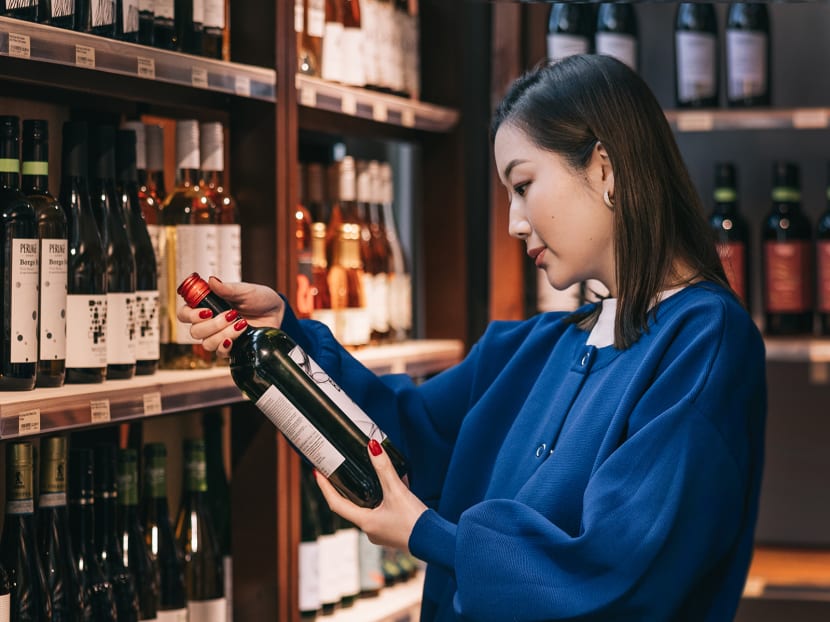
If you want to drink wine like a collector without paying top dollar, it helps to look beyond the usual regions. (Photo: iStock)

This audio is generated by an AI tool.


A few years ago, at a private wine tasting, the hosts decided it would be fun if they did a blind taste test. The theme was Old World vs New World Chardonnay, and the group – which included Lesley Liu, head sommelier of Odette – brought a mix of premium bottles.
In the mix were Puligny-Montrachet, Meursault, Sonoma Coast Chardonnay and Leeuwin Estate Art Series. All were decanted and served blind. One unassuming bottle, labelled Wine 3, had bright acidity, notes of citrus peel, flint and excellent length. The group was suitably impressed, Lesley recalled.
“This is classy. Must be a Premier Cru,” said one guest. “Tension and minerality – it’s definitely a white Burgundy,” said another. When the reveal came, Wine 3 turned out to be a 2021 Vasse Felix Filius Chardonnay from Margaret River, Australia. In Singapore, the wine retails for about S$42.
“The room went silent. Then a Burgundy loyalist laughed and said, ‘Well, I need to rethink my house white’,” said Lesley.

It was a moment familiar to those who work with wine day in and day out: That instant when a humble bottle delivers top-tier complexity and finesse. To find out which bottles punch well above their price point – and how to sniff them out in Singapore – we turned to the city’s most discerning palates.
For Gerald Lu, co-founder of wine bistro Praelum, the most unforgettable sub-S$50 wine he tasted was an Oregon Pinot Noir – the 2007 Beaux Freres – originally purchased at US$25 (about S$32). “I had it again a year or so back and it was still awesome,” he said. “Smelt and tasted like a Clos Saint Jacques Premier Cru.”
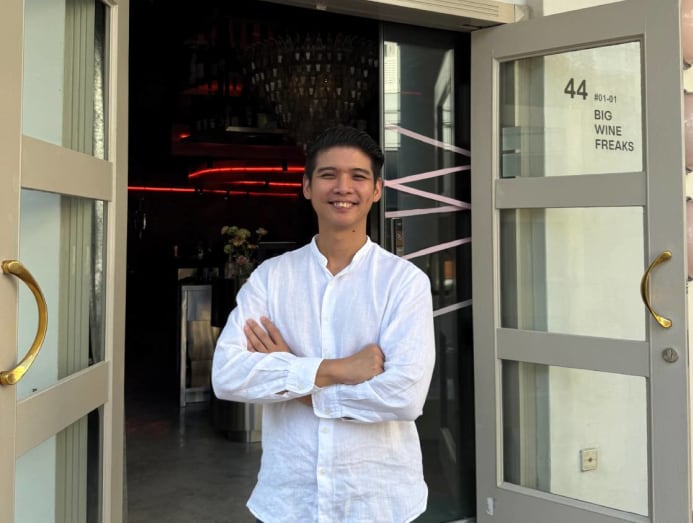
Over at Big Wine Freaks, co-founder Goh Kher Meng described an affordable (S$45 to S$49) Margaret River Chardonnay – again with white Burgundy vibes – as his most memorable find. “It had ripe orchard fruits, minerality, and well-integrated oak. In blind tastings, it’s often mistaken for a Puligny [-Montrachet].”
Lucas Liu, a sommelier who has had stints at Park90, Atlas and Les Amis, shared his own discovery: The Bodegas Toro Albala ‘Miut El Jabonero’ 2021. “It combines the elegance of a fine Chardonnay with a unique, leesy texture and a crisp, chalky finish. It’s layered and fresh, with a pronounced mineral edge,” he said.
“At around S$55 retail, it delivers an experience that feels easily worth 10 times the price,” he added, saying that the wine also happens to be his go-to for Chinese cuisine, seafood, and even simple date nights at home.
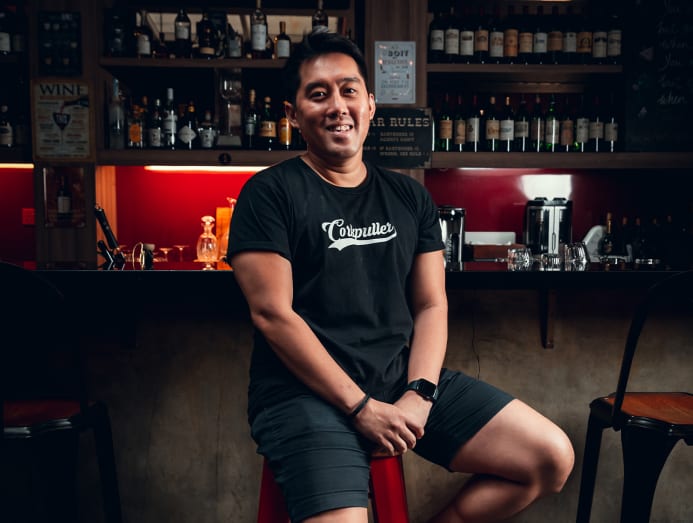
Lesley pointed to a thoughtful Chardonnay from the Jura region: Domaine de la Renardiere Arbois-Pupillin ‘Vigne de 1966’. “It made me think about Domaine Jean-Francois Coche-Dury – gently oxidative but carrying beautiful acid,” she said. “It’s layered yet precise, with a crystalline minerality and electric tension that belies its modest price [around S$60 to S$70].”
GRAPES WITH GREAT VALUE, AND HOW TO SPOT HIDDEN GEMS
So what exactly makes some wines overachievers? For Lucas, grape variety plays a big role. On the white side, he singled out dry Palomino from Jerez, Spain, for its distinctive saline character, as well as Pinot Bianco from Trentino-Alto Adige (Italy) and Aligote from Burgundy, which can deliver refreshing, citrusy minerality when handled with respect.
“They’re all super food-friendly and elegant for the price,” he offered.

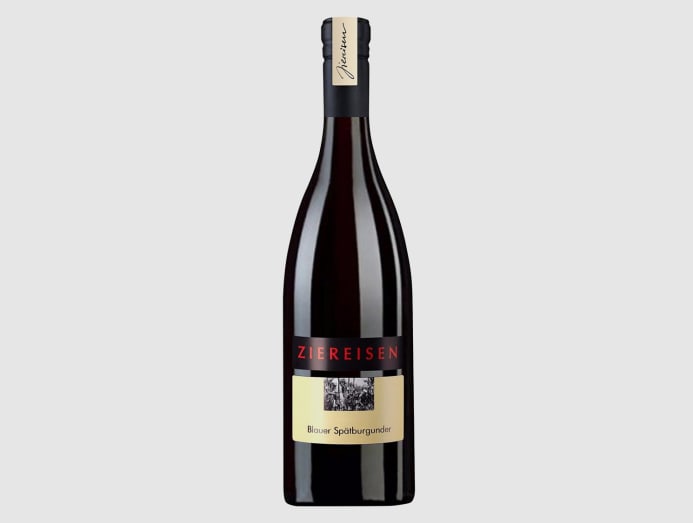
When it comes to red wine, he’s drawn to the bright acidity and spice of Blaufrankisch from Mittelburgenland (Austria), the finesse of German Spatburgunder (aka Pinot Noir) from Baden or the Mosel, and the volcanic vibrancy of Nerello Mascalese from Mount Etna, Italy.
The latter, he said, has got “floral aromatics and a style that sits somewhere between Pinot Noir and Nebbiolo. Super expressive and complex at a great value.”
Spotting a hidden gem on a restaurant’s wine list or retail shelf requires a bit of curiosity and a willingness to stray off the beaten path. Gerald said to look for older vintages hiding in plain sight – bottles that the establishment never knew how to market.
“If you see a 10- to 20-year-old wine under S$200 at a restaurant, it’s worth a look. I was once at a steamboat restaurant and saw 15-year-old German Rieslings on their mantelpiece. I bought all of them and they were honeyed and delicious. And they only cost S$60 each!”
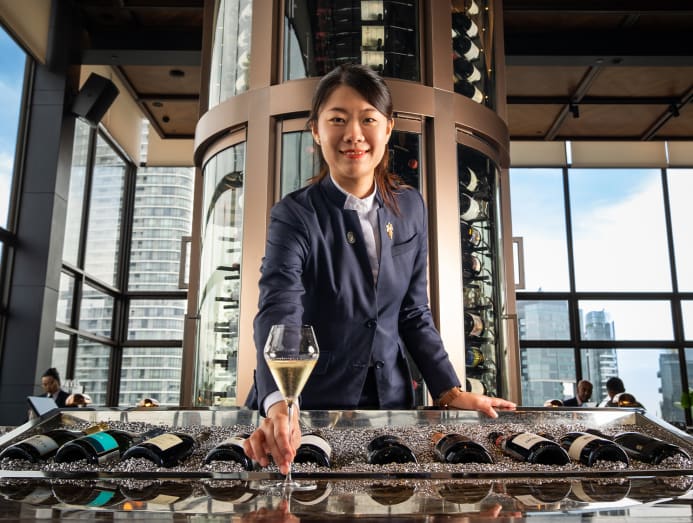
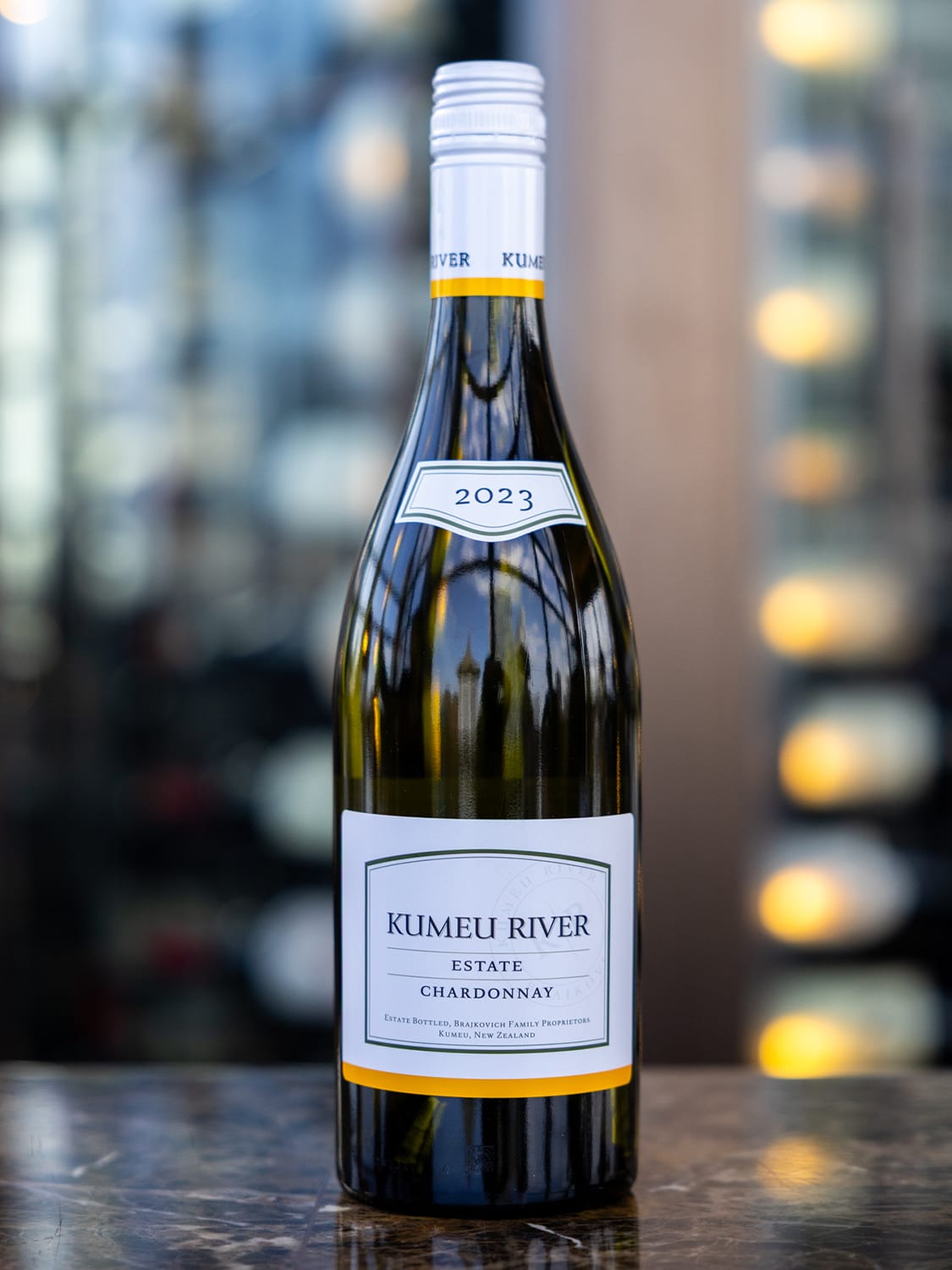
We also asked our experts for one sub-S$50 bottle they’d always keep on hand – for a dinner party, a date, or even a showdown with a wine snob. Gerald keeps it classic with the Kumeu River “Village” Chardonnay ($46), while 67 Pall Mall’s acting head sommelier, Shirley Tan, is fan of the 2022 Kumeu River Estate Chardonnay (S$363 for a case, or S$30 per bottle).
“This wine is crafted from select parcels across six vineyards, hand-harvested, whole-bunch pressed, fermented with indigenous yeast, and undergoes 100 per cent barrel fermentation followed by 100 per cent malolactic fermentation for 11 months,” she said. “It’s a very classic, well-made Chardonnay which could lead you to think that it’s a Burgundy Chardonnay.”
Meanwhile, Lesley’s suggestion is the 1701 Franciacorta Brut Nature (US$35), which she described as “tasting like grower Champagne snuck into a dinner party wearing Italian tailoring”. It’s biodynamic, beautifully crisp, and often renders wine snobs speechless. “Always a good sign,” she continued.
PRESTIGE WITHOUT THE PRICE TAG
If you want to drink like a collector without paying top dollar, it helps to look beyond the usual regions. For years, according to Lesley, Australia was unfairly pigeonholed as a land of “jammy Shiraz” and “oaky Chardonnay” – especially from Barossa and McLaren Vale.
“But the real story now is cool-climate Australia,” she said, pointing to regions like Tasmania, the Mornington Peninsula, and Adelaide Hills, where younger winemakers are producing wines with restraint, site expression, and a much lighter hand.
“These wines feel more like Burgundy or the Loire [Valley] than the stereotype of Aussie wine – but without the French price tag.”
As for producers? Keep an eye on names like Mac Forbes, Timo Mayer, and Ochota Barrels – folks who are quietly shaping the narrative of modern Australian wine, according to Lesley.
Some hidden gems don’t come from overlooked places, but from overlooked labels. Second wines, in particular, can offer insider value. These are more affordable bottlings made by prestigious estates, often using younger vines or land parcels not selected for the flagship label but crafted with the same winemaking expertise.
“Look for second and third labels of Super Tuscans,” said Kher Meng. “They usually end in ‘-aia’ and hover around the S$50 to S$80 mark. You get elegance and rustic charm – perfect for casual dinners or impressing wine-aware friends.”
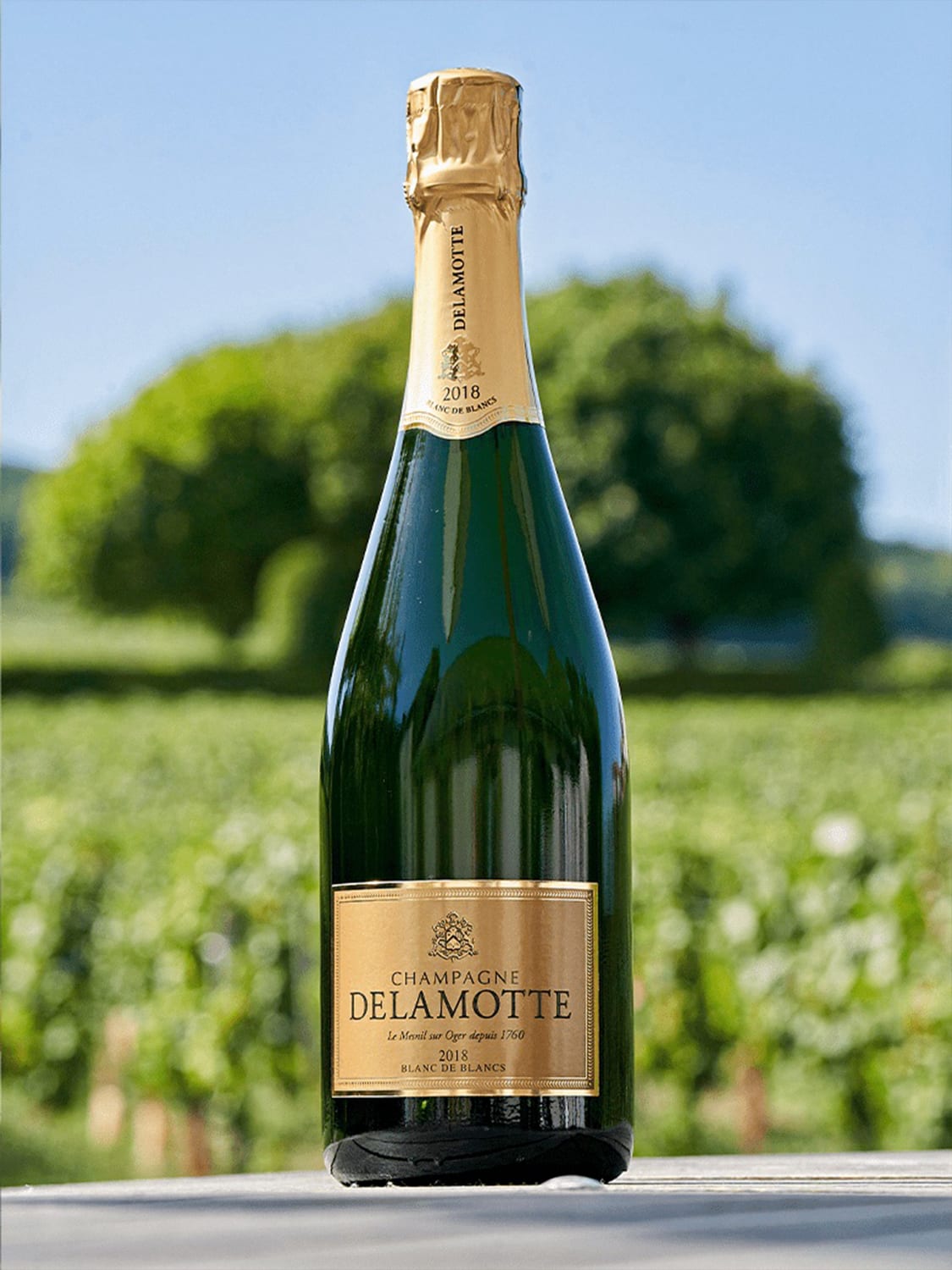
Lucas, meanwhile, brought up a Champagne example: The rarefied Champagne Salon (S$1,200 to S$1,400), an ultra-premium Blanc de Blancs from Le Mesnil-sur-Oger. Its sister label, Champagne Delamotte, uses fruit from the same prestigious vineyard but comes at a fraction of the price (S$120 to S$150). “It’s a more accessible style and price point, but the pedigree is still there.”
WHERE THE WINE WHISPERERS SIP AND SHOP
Wine lovers in Singapore have long bemoaned high shipping costs, alcohol taxes, and retail markups.
Gerald has a little industry perspective: For regular wines, restaurants usually apply a 1.8 time to 2.5 time markup. For fine wines, it’s a dollar amount rather than a percentage. “It covers the bottle cost, labour, support fees, and the ability to purchase another bottle to sell.”
Unfortunately, there’s no magic fix, but there are smart workarounds. Here, Gerald was blunt: “It is what it is. Make friends with your local sommelier. Maybe they’ll get you better prices than retail!” He also proposed following importers who specialise in specific countries or regions, naming Artisan Cellars, Galiena, Indigo Wines, StellezVine, TWDC and WEA Wines among others.
“Talk to them. They’re often the first to know what’s new, what’s hot, and what’s undervalued,” he said, adding with a laugh: “I better not name too many, otherwise consumers will buy everything and we will have nothing!”
Kher Meng’s recommendation? The Wine Not? club at Big Wine Freaks, where each tasting is themed around producers connected by family, geography or mentorship. Sometimes, winemakers join the dinners themselves, offering stories, context, and the occasional trade secret.
Lesley pointed to Racine Wines Company and Artisan Cellars for online shopping, as well as looking out for group buys, bulk discounts, or mystery box deals from platforms like 1855 The Bottle Shop, Underground Wines, and The French Cellar. For those who want a more immersive experience, she recommended wine clubs like Park90 and 67 Pall Mall.
Shirley agreed. The club, she said, is “one of the most exciting places to explore lesser-known yet exceptional wines in Singapore.” With over 1,000 wines by the glass and more than 6,000 by the bottle, it offers access to off-the-beaten path varietals and rare vintages that often don’t even hit retail shelves.
Lucas advocated signing up for importers’ mailing lists to access pre-arrival offers and private allocations. Above all, build relationships – those in the know are often happy to share the love.
FINAL POUR: IT’S NOT ABOUT THE PRICE TAG
In the world of wine, perception and reality don’t always align. Expensive doesn’t always mean better, and blind tastings often drive this home. “Many times, wines costing a fraction of top-tier labels outshine expensive ones when judged solely on flavour and balance,” said Lesley.
In group settings, where individual taste preferences can vary widely, the most expensive wine isn’t always the crowd favourite. “Learn your friends’ preferences. Drink more – for research, of course!” quipped Kher Meng.
For those looking to build a modestly-priced but suitably impressive collection, Gerald advised paying attention to how climate change is shifting what regions can produce elegant wines.
“Look at cool-climate countries now getting warmer,” he offered. “Visit your local wine community. Talk to people. Wine is ultimately supposed to be social – lose the pride and arrogance, and take up conviviality and community.”
Lesley suggested seeking out versatile, food-friendly varietals like Cabernet blends, Syrah and Chardonnay, and exploring value regions like Argentina, Australia, Chile and South Africa. “These wines often deliver excellent quality at a fraction of the cost.”
Ultimately, great wine isn’t about the price tag; it’s about generosity, connection and pleasure. And sometimes, even a S$42 bottle can silence a room full of Burgundy loyalists.