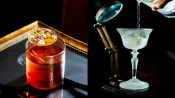
India is leading the Asian gin movement with over 30 brands and counting
Here are six Indian gins that are making waves.
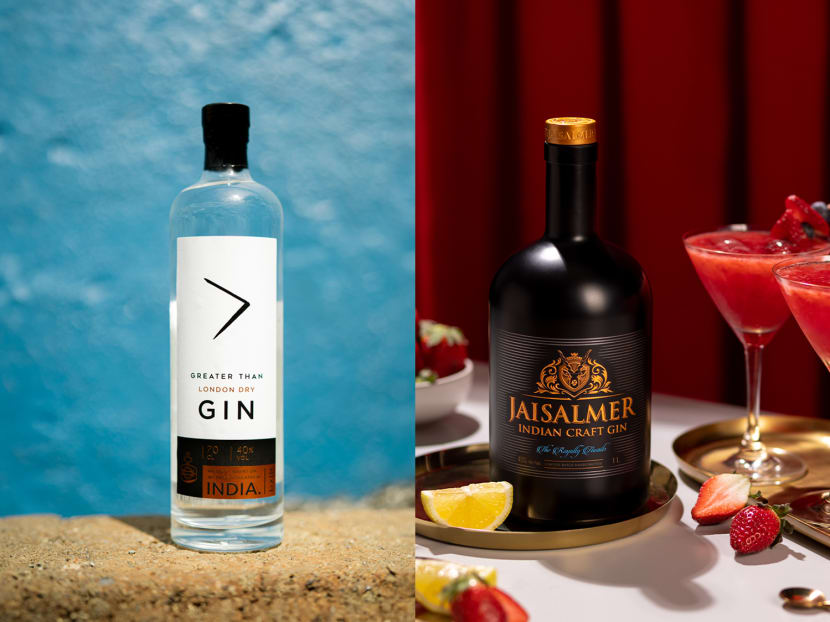
Indian craft gins are boldly making their way into international markets, including the US and UK, Singapore, and Hong Kong, and picking top international awards along the way. (Photos: Greater Than & Jaisalmer)

This audio is generated by an AI tool.


We are witnessing an Asian craft spirit movement led by independent distillers from Singapore to Japan. Among them, India is leading the way with gin expressions.
Gin was never India’s favoured drink, but preferences have since changed. “India has always been a dark spirit market, led by whisky, dark rum and dark brandy. In 2011, gin was less than one per cent of the spirit market,” said Khalil Bachooali, co-founder of Tamras, a citrus-led Indian dry gin.
The demand for gin took off in the last decade thanks to international trends seeping into the nation. It then instigated a clutch of innovators to try their hands at Indian craft gins, a cohort that grew from the first three entrants – Greater Than, Hapusa and Stranger & Sons – to almost 30 brands.
According to Allied Market Research, the India gin market size is projected to reach US$1.598 billion (S$2.151 billion) by 2030, growing at a CAGR of 5.9 per cent from 2021 to 2030.
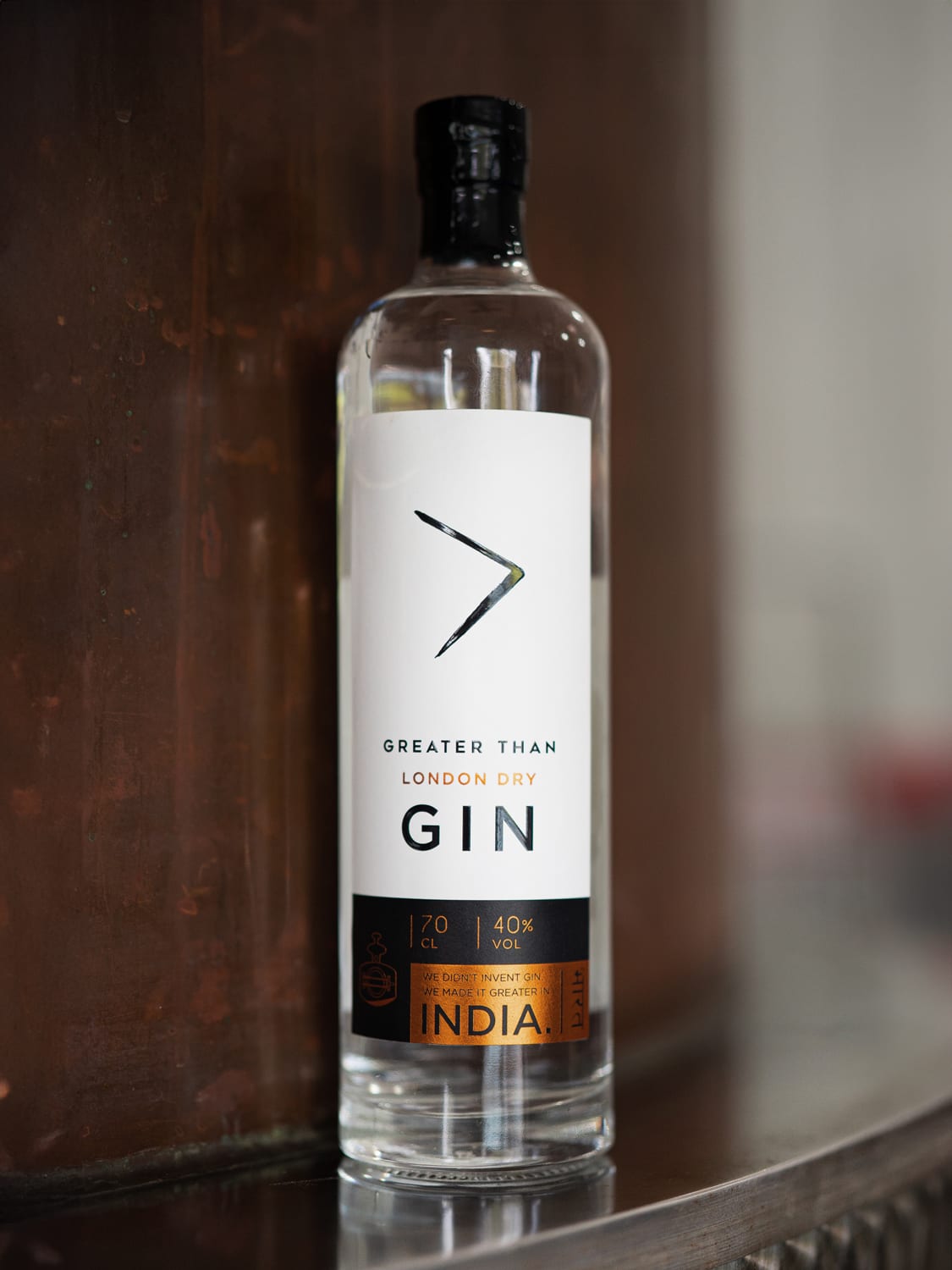
Anand Virmani, co-founder of India's first craft gin, Greater Than (it sold a million bottles last year), is unsurprised. His take: “India is the home of gin and tonic. The connection between gin and India is obvious and working in our favour.”
Think about it: A gin calls for a selection of botanicals, starting from juniper berries, coriander seeds, orris and angelica roots, citrus peels and then some bespoke ones to build its herbaceous appeal. India is the renowned home of the most exotic herbs and spices, and almost all these herbs used in gin are widely available inhouse.
Virmani even found Indian juniper berries, albeit by accident, at Delhi-based Khari Baoli, the largest spice market in South Asia. “We were looking for juniper berries like the ones from Macedonia. Instead, we found a berry that looked like juniper. It was a lot bigger, slightly uneven with a purple, brown tinge, and a wild, earthy smell,” he recalled. Locally known as hauber, the berries hail from Himalayan foothills and are famous for their medicinal properties.
He took them to Dr Anne Brock, (now the master distiller at Bombay Sapphire), who was consulting him at the time, and she confirmed the berry was indeed from the juniper commune. Hapusa, Sanskrit for juniper berries, became the brand name for Virmani's first premium gin brand, which was introduced in 2018.
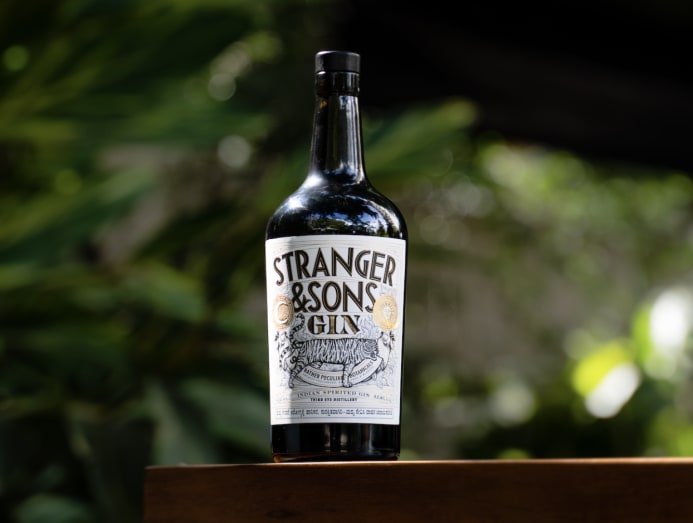

Stranger & Sons launched in the same year with 48,000 bottles and on track to close at over 600,000 bottles this year. Co-founder Rahul Mehra noticed several world-renowned gins used botanicals indigenous to India that were readily available in the country and make him question why India lacked a premium gin of its own. “We introduced Stranger & Sons Gin with the idea of disrupting and elevating the spirits landscape in the country. When Stranger & Sons was declared as one of the top eight gins in the world with a Gold Outstanding Medal at IWSC 2020, we were assured that we were on the right path to place premium spirits from India on the global map,” he said over email.
By the time Bachooali launched his citrus-forward gin Tamras in 2021, the local market had grown to 20 brands and counting. His views on the rising competition reflect on the benefits of category growth: “I believe the number of players helps. Twenty brands working on outreach and education for gin is much stronger than one. These initiatives take money, and marketing budgets from 20 brands can reach a far wider market than what one small brand can muster.”

Besides botanicals, Indian craft gin makers are tuned into sustainability practices and, more importantly, generate employment in the local communities. Mehra added: “We introduced our gin in their revolutionary green ecoTOTES in Singapore and have also partnered with them to bring this revolutionary packaging solution to India.”
Stranger & Sons hires local women to handle citrus, practices a zero-waste policy and saves 10,000 litres of water per batch, as does Tamras, who are also working towards securing a Green Certification from the Ministry of Environment by 2025.
The ‘local’ for most craft gin distilleries is Goa, a beachside retreat location an hour from Mumbai. The city attracts craft distilleries by the dozen with their lower excise tax duty. At the same time, Goa is India’s club town and attracts scores of revellers across the year, for whom, drinking is a big priority. Bachooali who is based in Goa with his co-founder wife, Devika Bhagat, shared: “Every international brand that comes to India is launched in Goa. It's the perfect test market.”
While Indian gin drinkers have increased leaps and bounds, Indian craft gins are also boldly making their way into international markets, including the US and UK, Singapore, and Hong Kong, and picking top international awards along the way.
At the same time, gin is a saturated category with numerous contenders, said Brandon Grust, general manager for Southeast Asia at Proof and Co. “The gin and tonic movement are not going away, nor is it being diminished. Having said that, I am not hearing consumers or trade asking for more gins from any country. I believe new brands looking to launch will generally find difficulty in finding a foothold in Singapore unless they are of exceptional quality with clearly defined objectives.”
Back home, the well-travelled Virmani believes India’s limitless spice bounty is enough for new players to sustain further growth. He said: “If you look in the UK, every neighbourhood has its own gin, and you wonder if they really are different from each other. We don’t have the problem in India because there’s so much to uncover. There is no limit to the number of flavours and aromas you have to play with in India.”
Here are six Indian craft gin brands available in Singapore.
STRANGER & SONS
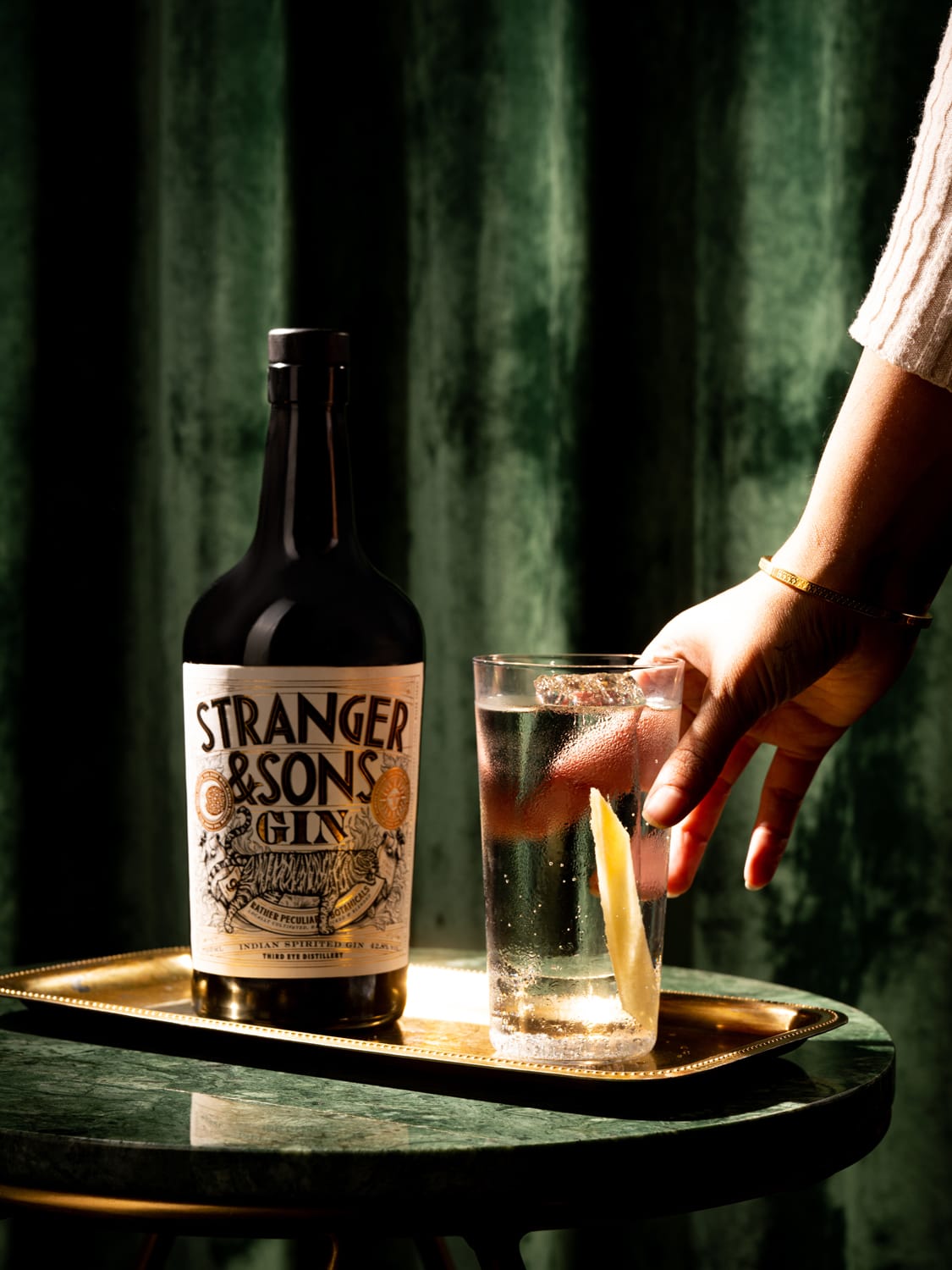
This sipping gin delivers layers of flavour in every sip. It leads with juniper in the first whiff and evolves into spices like black pepper, liquorice, nutmeg, mace, cassia, and citrus peels. Stranger and Sons practise the single-shot method, meaning they distil all their botanicals individually to produce a better mouthfeel. It was recently recognised as the Gin of The Year 2023 by Whiskey Exchange UK.
Available at Bottles and Bottles
HAPUSA
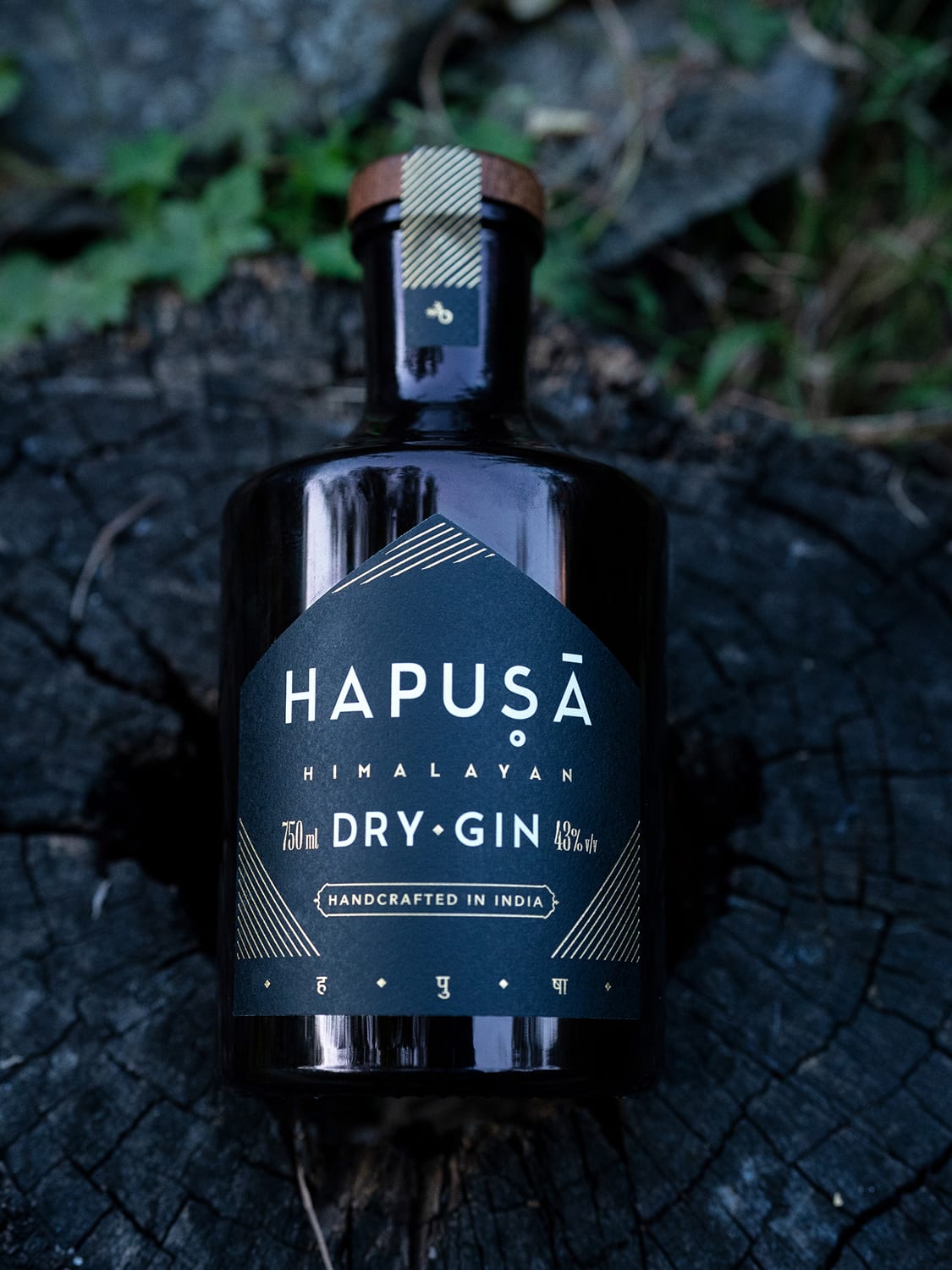
In addition to Himalayan juniper berries, Hapusa appeals with a floral nose and an earthy mix of botanicals like mango, turmeric, coriander seeds and almonds and finishes on spice. Among its many awards, it picked up a Gold medal at the World Gin Awards 2023 in the UK.
Available at Original Whiskeys
TAMRAS
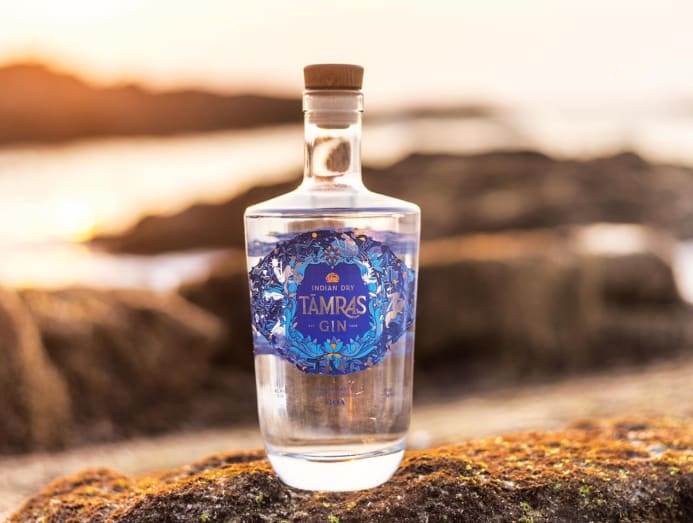
Tamras leans on mosambi, sweet lime citrus with green skin and orange pulp, Indian mint and Nilgiri tea, sourced from the hills of Tamil Nadu, lotus flower and lotus seeds. The blend in consultation with master distiller, Julia Nourney atop a clean base of neutral alcohol made from high-quality basmati rice.
Available at Mizunara The Shop
TERAI
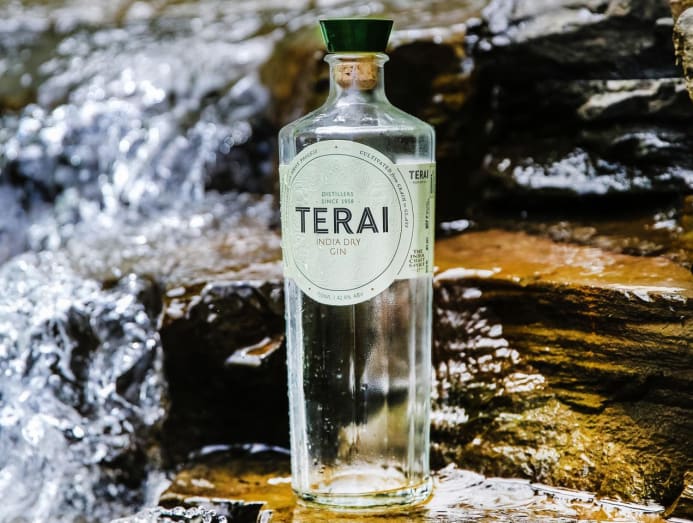
A gin with a “sense of place”, Terai is a blend of 11 botanicals that feature on the classy label as part of a wreath. These include citrus peels, juniper, fennel, lavender, rose and almond. Crafted in Rajasthan, the custom packaging is part of its appeal, taking inspiration from temple pillars Indian coins and topped with a stopper handcrafted by artisans of Channapatna, Kerala, known for Indian wooden toys.
Available at Fairprice
JAISALMER
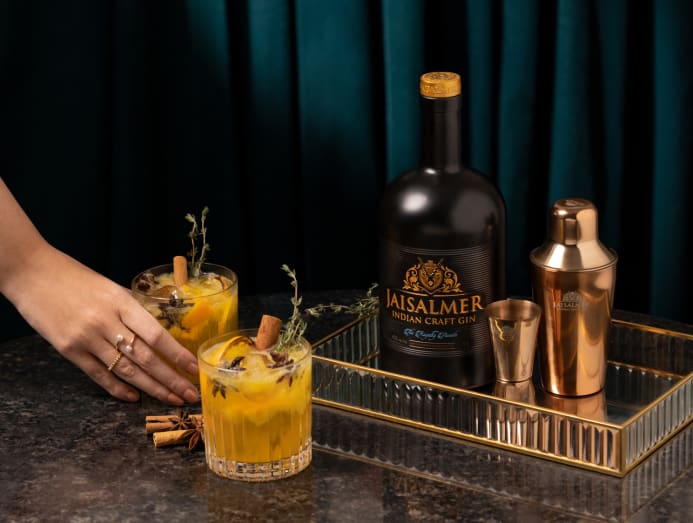
Launched in 2018, Jaisalmer premium gin sources its botanicals from all four corners of India. It uses lemongrass, Darjeeling green tea, juniper, vetiver, and cubeb pepper as part of its recipe. The gin is produced by the Radico Khaitan group, also known for Rampur Indian Whisky, and has recently won a Gold Medal at the San Francisco World Spirits Competition 2023.
Available at Le Maison du Whisky
JIN JIJI DARJEELING GIN
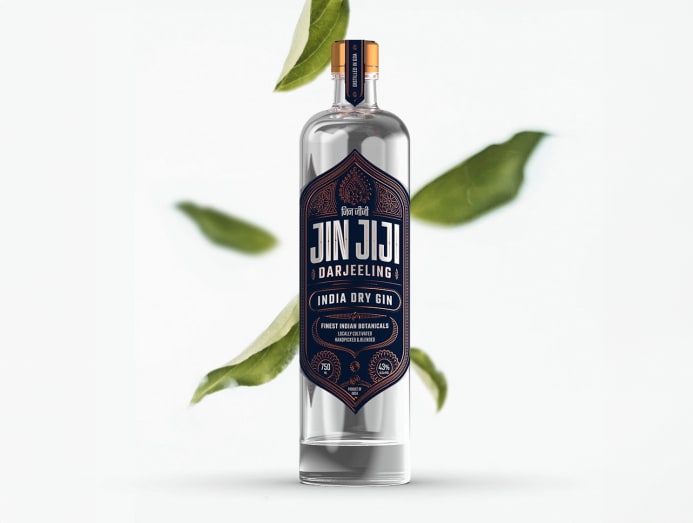
This is another brand that taps into the treasure trove of Indian botanicals, including Himalayan juniper berries and cashews. Launched in 2019, Jin Jiji’s Darjeeling gin is inspired by Masala tea and uses single-estate Darjeeling tea from the Jungpana estate: Ginger, cardamom, and cloves in the basket. The aroma profile leads with spice, with citrus and tea brightening the palate.
Available at Le Maison du Whisky