How to explore the quiet, uncrowded beauty of Japan’s Ise-Shima
If you are craving a Japanese journey that feels deeply local and feels far from the overrun hotspots, add Ise-Shima to your bucket list.
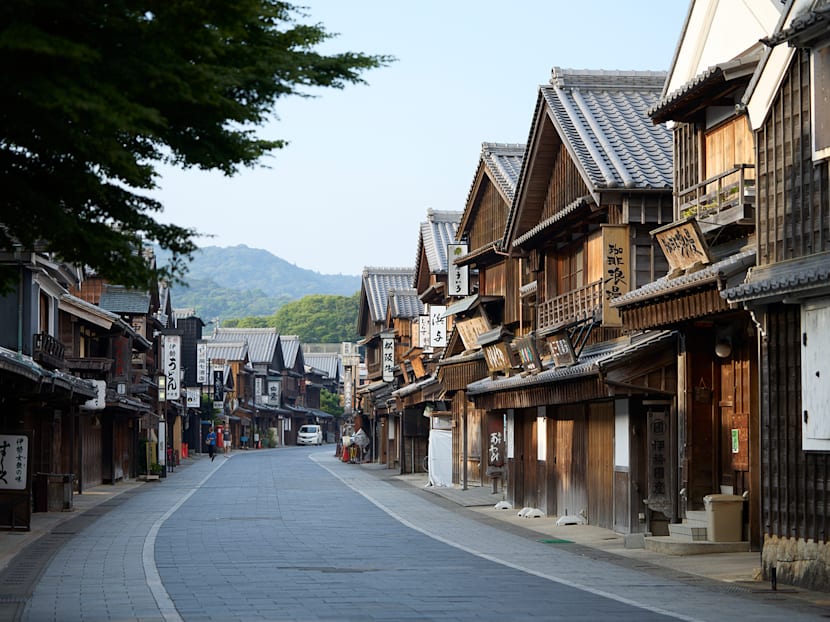
Oharai-machi is a town built around the torii gate to Ise-jingu's Inner Shrine. (Photo: Visit Iseshima Bureau)

This audio is generated by an AI tool.


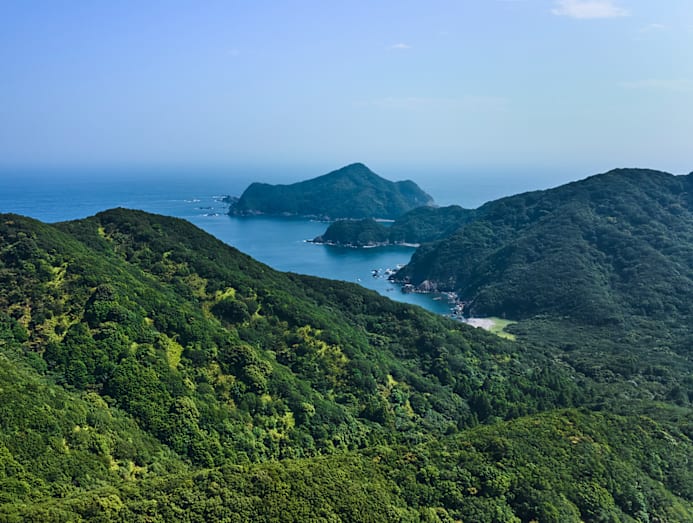
Tucked between forested peninsulas and the sheltered bays and inlets of the Mie Prefecture, Ise-Shima is where Japan’s spiritual heart beats a little louder. Most Japanese visit at least once in their lives, drawn by Ise Jingu, the country’s most sacred Shinto shrine, yet the region remains surprisingly under-the-radar.
Perhaps that is why, despite being just a scenic two-hour train ride from Nagoya, Ise-Shima retains a rare sense of calm and intimacy, perfect for those seeking a quieter, more contemplative Japanese escape.
Beyond the shrine, Ise-Shima’s charms unfold like a reel of understated delights: its legendary ama divers, women who free-dive for abalone and spiny lobster in a centuries-old tradition; as the birthplace of Mikimoto cultured pearls; and as home to charming luxury ryokans perched along the coast, offering tranquil cliffside retreats. And getting there is an experience in itself.
JAPAN'S BEST KEPT TRAIN SECRET
The Shimakaze premium express is a charming luxury sightseeing train that connects Nagoya, Osaka and Kyoto with the Ise Peninsula. Panoramic windows frame the shifting countryside, its leather Premium seats recline like in business class with massage and heating functions and small groups of up to six can even book Japanese, Western or Salon-style private cabins. The real treat, though, is snagging a seat in the Cafe Car, where regional dishes and drinks turn the journey into a moving tasting tour even before the actual trip begins. There’s no better way to enjoy the romance of old-school rail travel.
A PILGRIMAGE TO THE SPIRITUAL HEART OF JAPAN
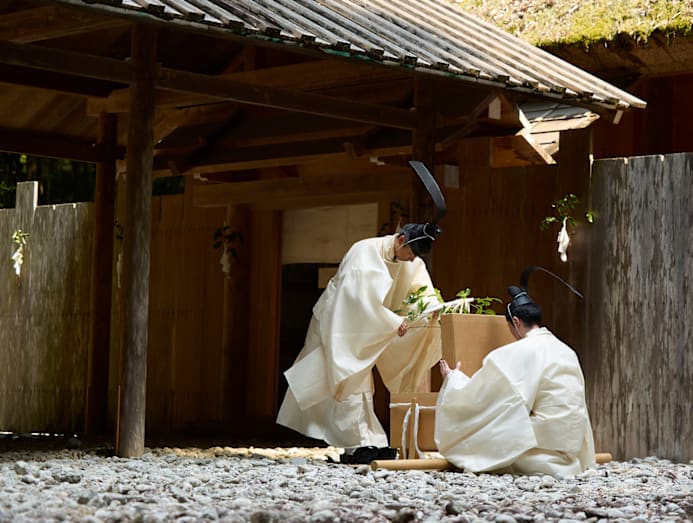
It is fitting to start a trip to the region with a journey to Ise Jingu, the grand shrine that many Japanese revere as the “soul of Japan”. Often described as the country’s holiest Shinto site, it is dedicated to the sun goddess Amaterasu, regarded as the divine ancestor of the Japanese imperial family.
There is something undeniably different about stepping onto its grounds – the air shifts once you cross the first of two large torii gates that bookend the Uji Bridge at the entrance. It is quieter, gentler, as though the modern world has been muted. Sunlight filters through towering hinoki and sugi trees and scatters soft, dappled patterns across the gravel paths.
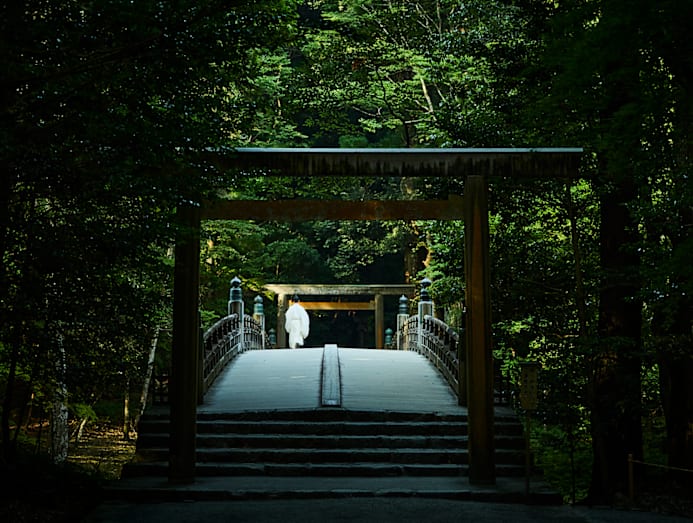
There are some 125 shrines scattered across this sacred grove, each dedicated to a different deity, but the most significant are the inner and outer shrines, rebuilt every 20 years in a remarkable 1,300-year tradition that embodies the Japanese philosophy of renewal. The 62nd rebuilding was completed in 2013, with the next iteration set for 2033.
Beyond being a philosophical reminder of impermanence, this ritual ensures that ancient woodworking techniques survive from one generation to the next. And nothing goes to waste as the timber from the previous shrines is repurposed throughout the country for torii gates and other structures, allowing its spiritual legacy to live on.
MEET THE GUARDIANS OF THE SEA
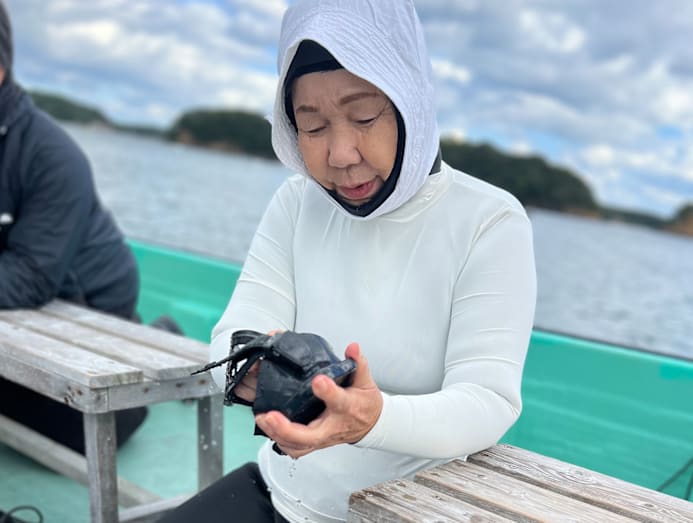
If Ise Jingu is the spiritual heart of Mie, then the region’s ama divers are its pulse. These women, who free-dive for abalone, Ise ebi spiny lobster and other ocean bounty, are believed to have practised this craft for some 3,000 years. Their bond with the shrine runs deep: for generations, ama have supplied abalone for sacred offerings, linking the rhythms of the sea with Shinto ritual.
There were once as many as 9,000 ama across Japan; today, only about 2,000 remain, with roughly half clustered along Shima’s jagged coastline. Many are seniors – the last holders of this knowledge that few young women are willing to train for.
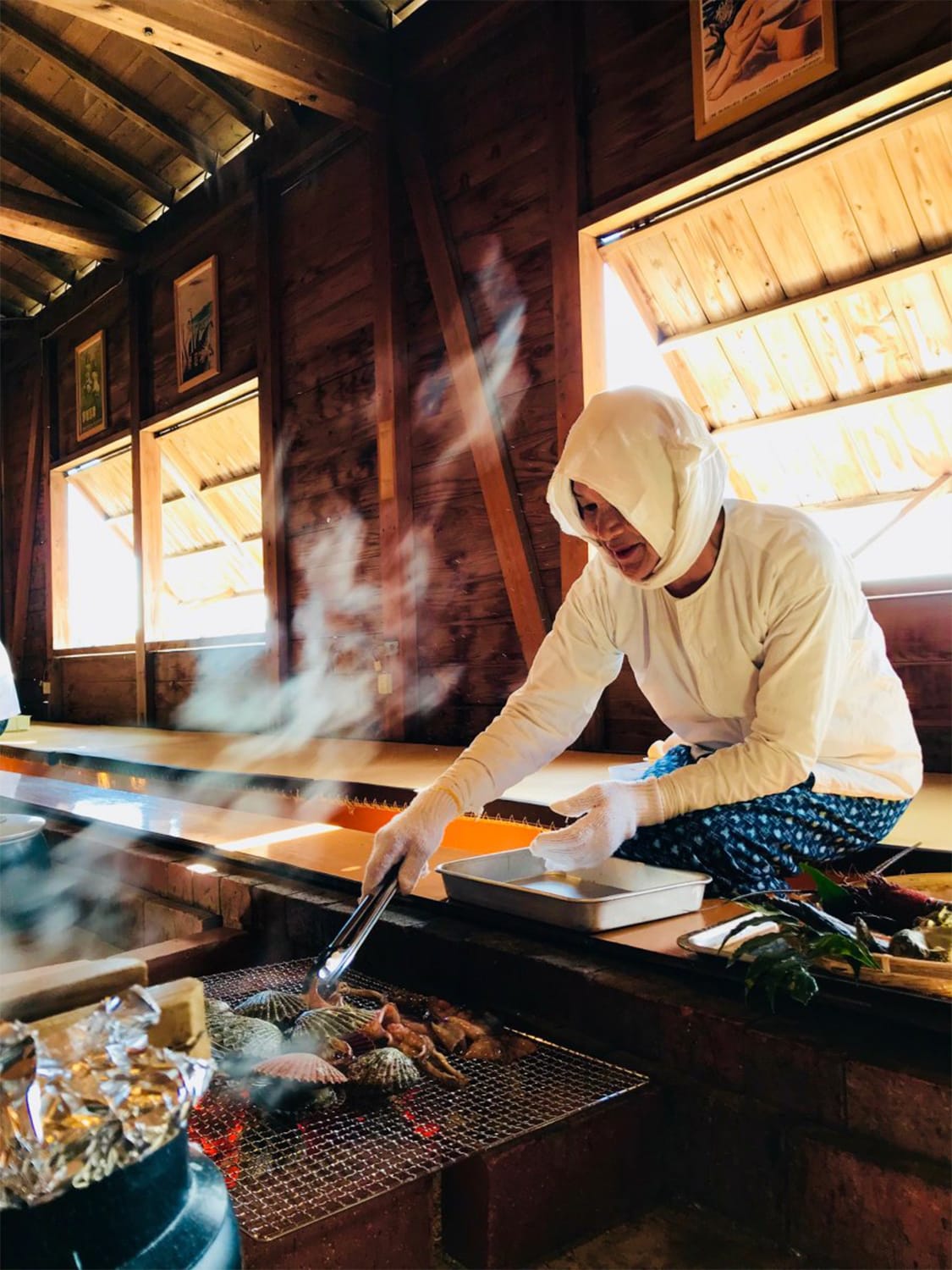
For now, though, travellers can still witness their world up close. Join an ama on a gentle freediving session and be prepared to be humbled at how effortlessly they read the currents and how a single breath lets them slip to the seafloor to prise abalone from rock. Or step into an amagoya, the traditional hut where divers warm themselves after a cold plunge. There, they grill their catch over charcoal and chat with an easy candour, offering a rare window into a maritime culture that has endured far longer than most of Japan’s written history.
TASTE THE REGION
Speaking of food, it is no surprise that the regional cuisine is inspired by the freshest seasonal catch that ama divers and local fishermen bring in, including oysters and sea bream. Sushi Kyu, situated along Oharai-machi, a bustling traditional street for pilgrims visiting Ise Grand Shrine, is a good find with set meals featuring local catch. Or check out Tai, which offers a unique twist on chazuke (rice with tea broth), where thin slices of sea bream seasoned with sesame miso melt into a fragrant tea broth for a thoroughly satisfying meal.
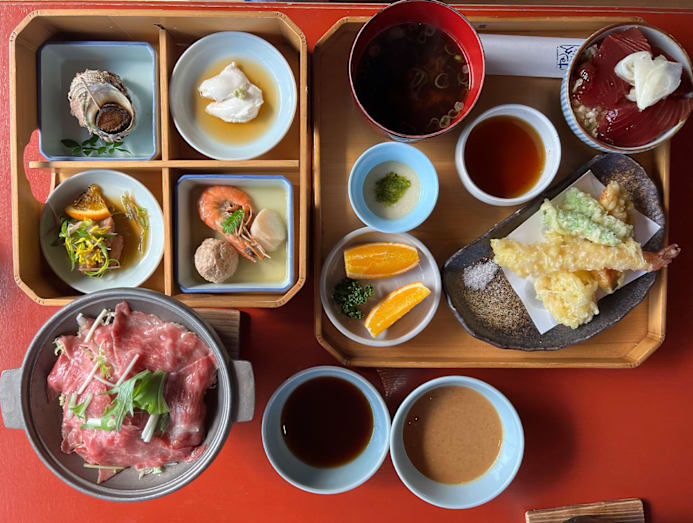
The Mie region is also famed for local matsutaka beef – one of Japan’s most coveted wagyu that is celebrated for its intense marbling and sheer, buttery richness. It is decadent any way you order it, whether lightly swirled through shabu-shabu or kissed by the grill. For a refined introduction to its depth and flavour, the chefs at The Restaurant at Amanemu treat this prized wagyu with the kind of restraint and respect it deserves.
SAIL OUT TO A LIVING FISHING VILLAGE
For a glimpse of island life that most travellers never encounter, take a day trip to Toshijima, a small fishing community just offshore from Toba port. The island’s seafood auctions are a thrill to watch – imagine Tsukiji’s buzz without the pre-dawn scramble or shoulder-to-shoulder crush.
Fishermen unload the day’s haul, buyers circle with sharp eyes, jotting bids on small wooden paddles in a quiet but intense choreography. It feels theatrical yet completely unforced, a working tradition without the performative element that seems so prevalent these days.
The easiest way to experience it is on the Fishermen’s Island Lunch Tour by the Kaito Yumin Club, which pairs the auction visit with a hearty seafood lunch. It is an island-to-table feast in the truest, most satisfying way.
DISCOVER THE BIRTHPLACE OF CULTURED PEARLS
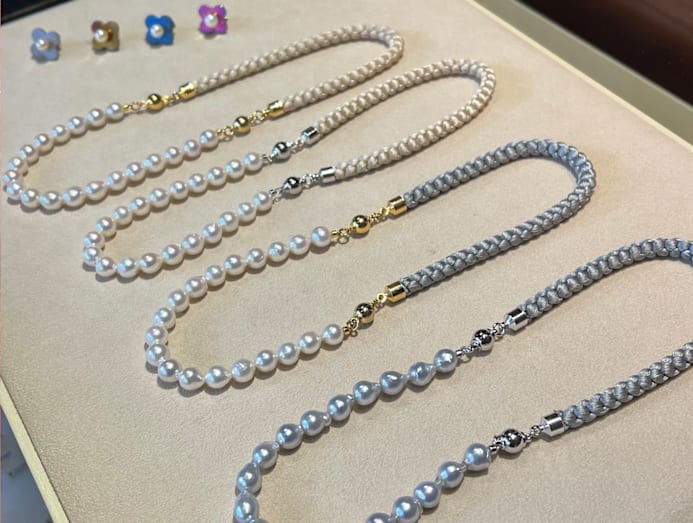
Ise-Shima is known as the cradle of modern pearl culture as it is in these cool waters that Kokichi Mikimoto perfected the world’s first cultured pearls. His legacy continues today with the luxury jewellery brand named after him and bijoux aficionados can visit Mikimoto Pearl Island to trace the growth of this industry, view vintage jewellery and watch how artisans sort pearls with monastic focus.
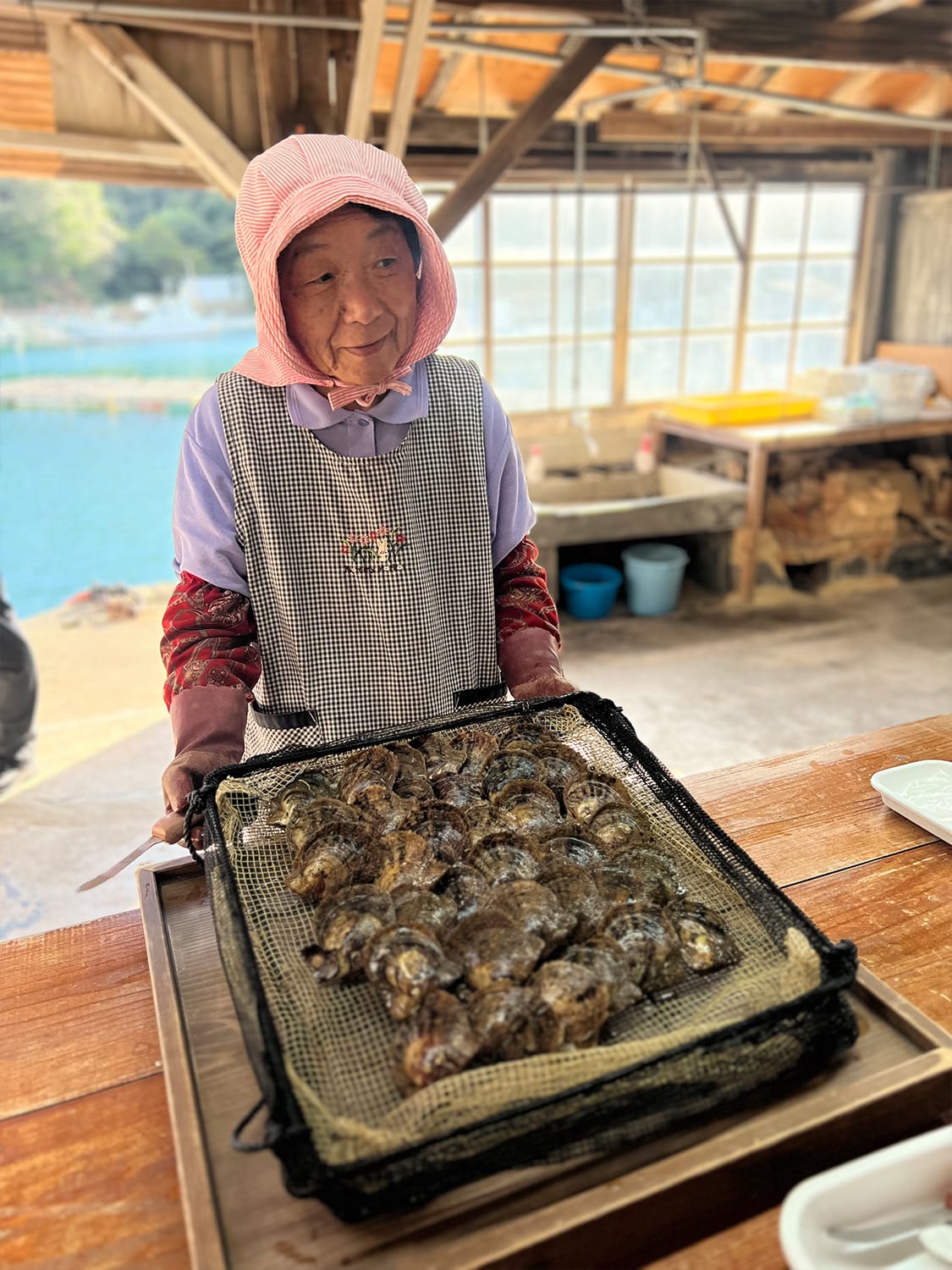
For something more hands-on, Pearl Miki is a small, cultured oyster farm where visitors can pick an oyster and shuck it to obtain their own pearl. Or for more imaginative jewellery, visit Yashima Pearl, a fifth-generation family business whose young designer, Kouta Yamamoto, is creating inventive designs that pair pearls with unexpected materials like Hario glass and Japanese silk. This is insider shopping at its best.
QUIET LUXURY STAYS
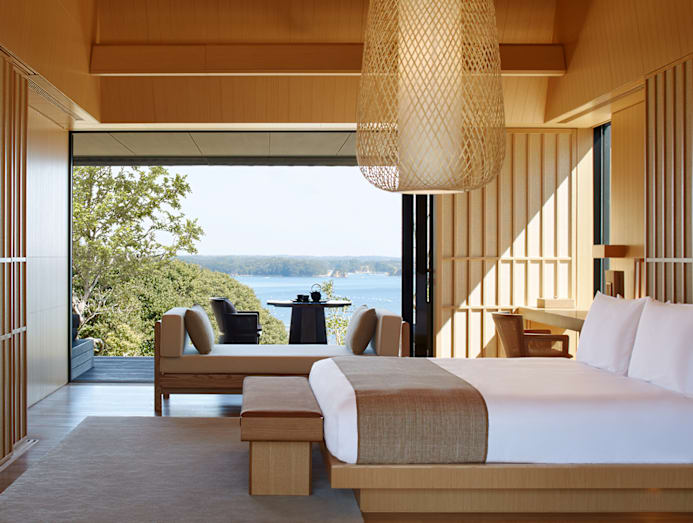
In a reflection of the region’s gentle, reflective spirit, the best accommodations in Ise-Shima ooze with understated luxury. For classic refinement, Shima Kanko Hotel is the grande dame that is famed for hosting the 2016 G7 Summit while its sister property, Shima Kanko Bay Suites, is a sleek Small Luxury Hotels outpost with spacious, contemporary suites.
For total immersion, one Michelin Key luxury ryokan Oyado The Earth is nestled within a primeval forest and situated on a cliff’s edge for eye popping views of the bay. Every suite comes with a private onsen bath and its restaurant serves elegant seasonal kaiseki that showcases seafood and produce sourced almost entirely from the surrounding waters and forests.
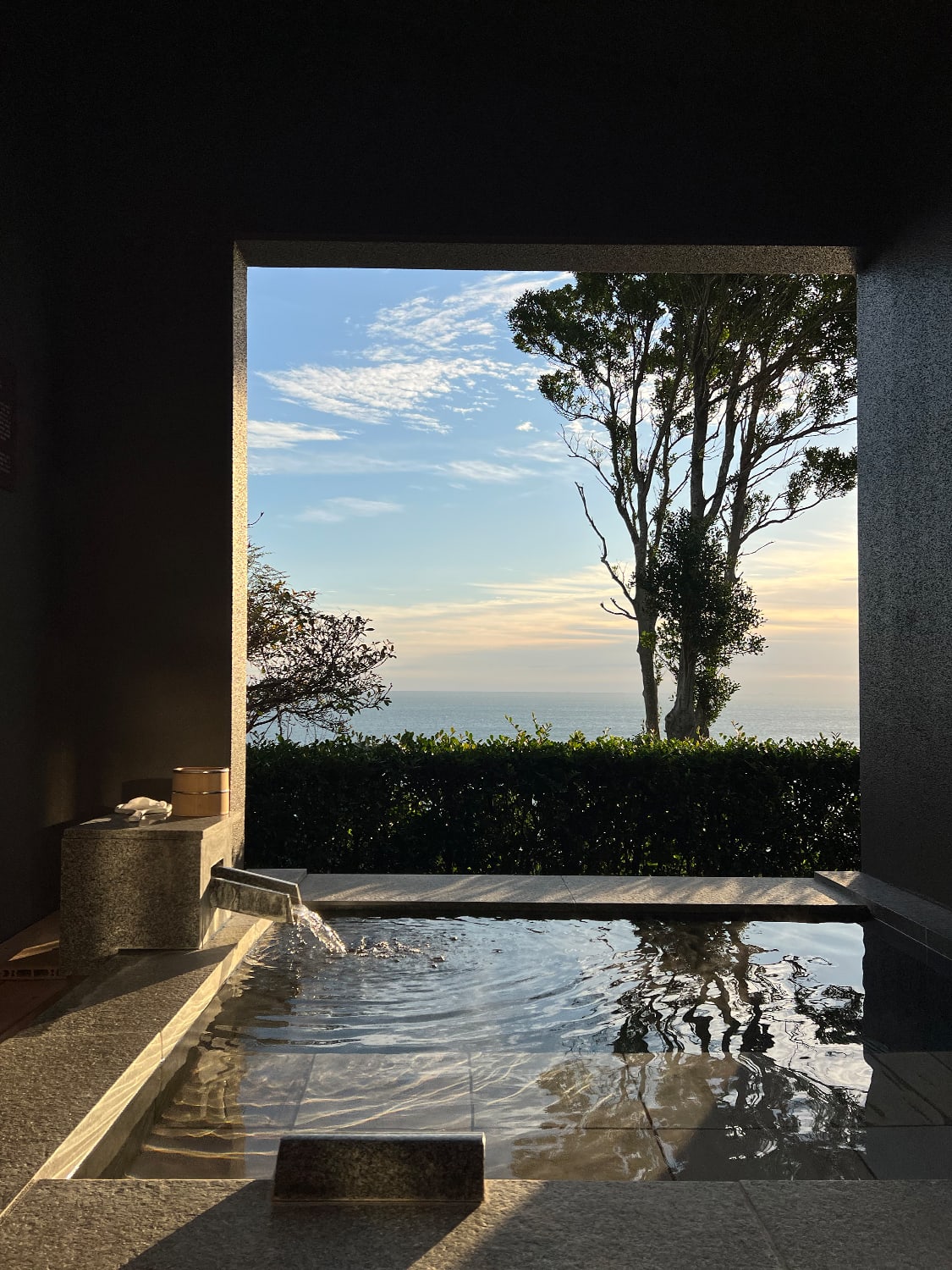
And then there is the three Michelin Key Amanemu, Japan’s most secluded Aman. Conceived as a modern ode to the traditional ryokan, its mineral-rich hot springs and ultra elegant suites and villas are set in an atmosphere so tranquil, you can even feel your thoughts quieten, offering a sense of serenity that lingers long after check-out.