Rang Mahal reinvents itself in Singapore with a more casual, next-gen concept
As restaurants in Singapore grapple with shrinking revenues and wavering momentum, one stalwart has made the bold move to regroup, downsize, and redesign its offerings.
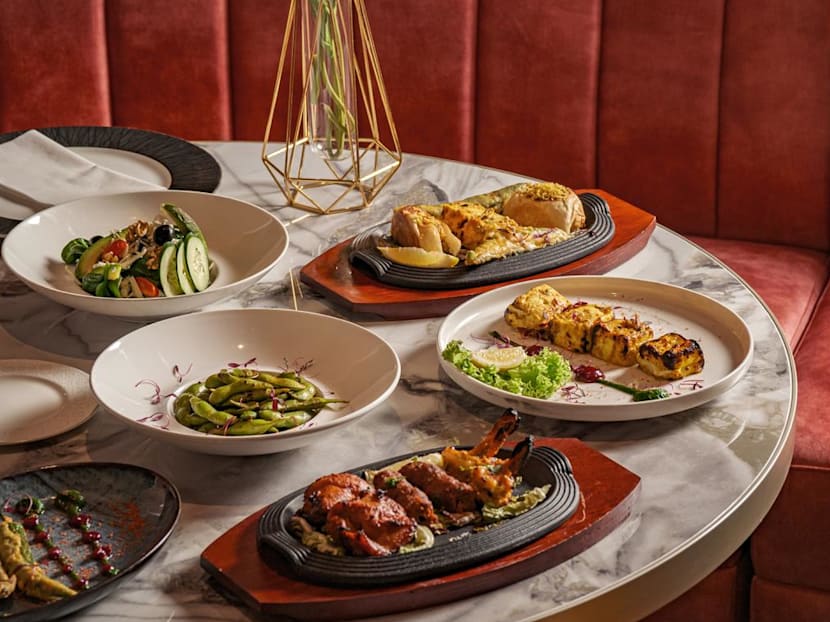
Rang Mahal moves from Pan Pacific to Naumi Hotel with a boutique-hotel feel and a modern edge — yet its signature authenticity and attentive hosting remain. (Photo: Rang Mahal)

This audio is generated by an AI tool.


When Rang Mahal moved from its first location at the former Imperial Hotel to a grander space at the Pan Pacific Singapore in 2000, it unwittingly created a blueprint for modern Indian dining in Singapore. Its degustation menus, wine pairings, lavish buffets, and level of service were an anomaly for miles.
Twenty-five years later, the restaurant has taken another leap in the opposite direction. Riding the shifting currents of Singapore’s dining scene, Rang Mahal terminated its lease at the Pan Pacific Singapore and recently moved to a more intimate space in the lobby of the Naumi Hotel, which belongs to its owners.
“We came into Naumi because we felt we were not being relevant there [at the Pan Pacific]. We started in our own hotel in 1971,” said owner Ritu Jhunjhnuwala of the restaurant’s first location. “So, I think it’s a great blessing that we are back in Naumi, our own hotel.”
BACK TO THE START
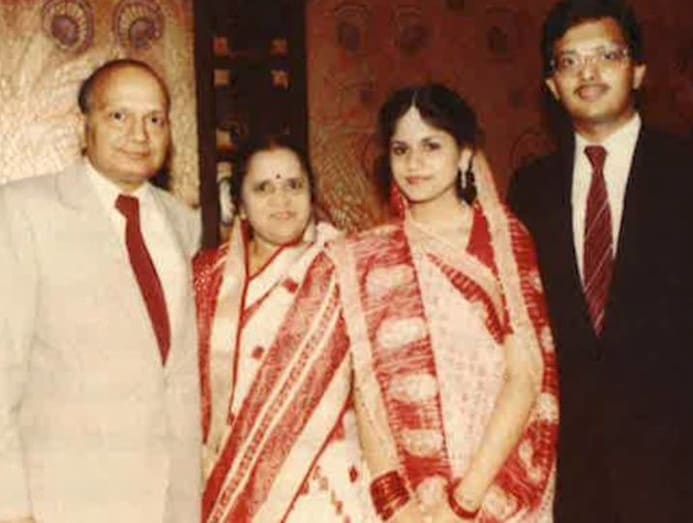
Rang Mahal was established by Ritu’s late father-in-law, Shyam Ji Jhunjhnuwala, whose company, Hind Group, also acquired what was then the Oberoi Imperial Hotel. The restaurant was known as much for its classical Indian music performances as for its traditional fare. “From what I understand from my father-in-law, during that time, it was about preserving and providing a taste of Indian food because that generation of diners had moved away from India and were missing the food of home,” Ritu said.
When the company decided to sell the hotel in the late 1990s, Ritu was loath to see it go and suggested they re-open the restaurant in a new location. That move to Pan Pacific Singapore set the foundation for Rang Mahal’s status as one of Singapore’s best Indian restaurants.
GIVE THEM WHAT THEY WANT
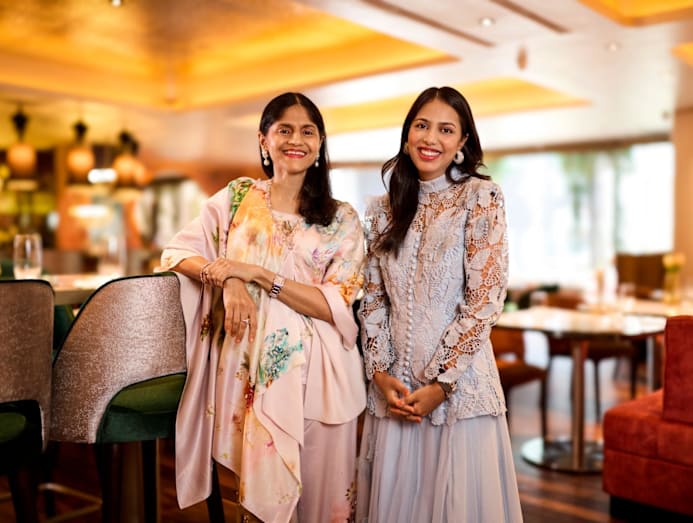
The first thing anyone familiar with Rang Mahal will notice is how casual the new restaurant feels. Far from the lofty pillars and gilded expanse that defined its former dining room, the low-ceilinged space feels less sumptuous, more undemanding — much as you’d expect from a boutique hotel’s sole restaurant.
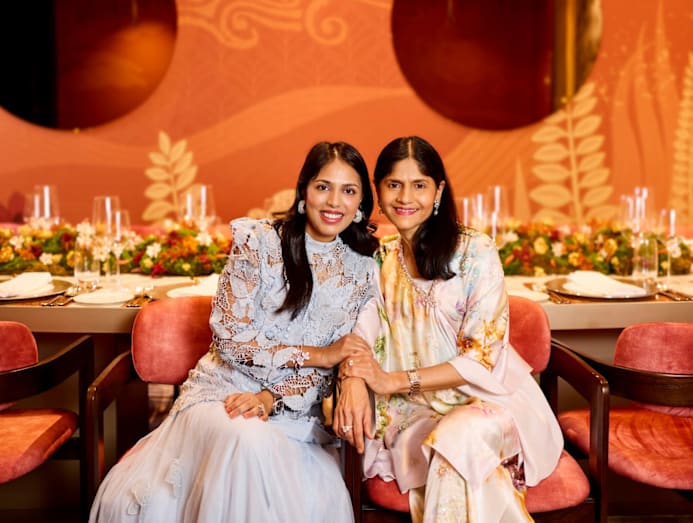
As a back story for its design, Ritu and her team conjured up “the divine beauty of a mythical garden”. “We tried to create a space that exudes an abundance of nature,” she said. “There’s a new, young energy at this Rang Mahal, which I get from Arshiya,” she continued, gesturing to her 32-year-old daughter-in-law beside her.
Arshiya married Ritu’s son, Gaurang — group CEO of the Naumi Group — in 2019. Although her professional role is regional director of environment, social and governance, she has been enlisted to support the restaurant’s goal of appealing to a younger generation of diners.
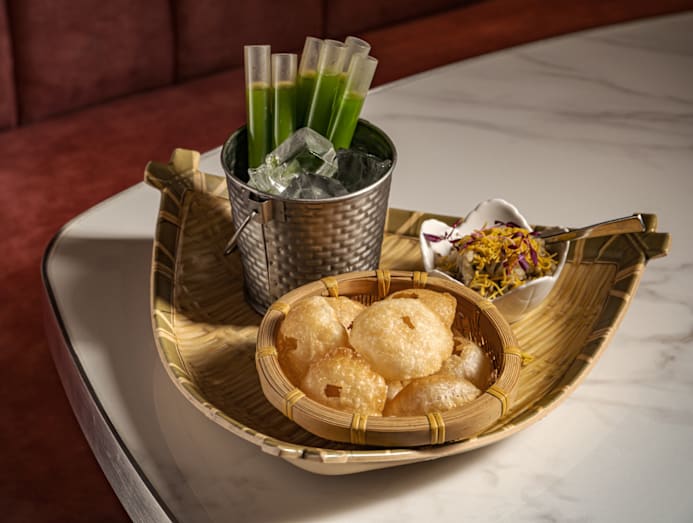
“This move has been a work in progress for a long time,” Arshiya explained. “We started noticing changes during and after COVID. With the previous Rang Mahal at Pan Pacific, we wouldn’t see couples coming on date nights or younger friends coming for a meal because it was more fine dining. With this new evolution, it’s a more intimate style. It’s more like you’re being hosted than being served, I would say. You can come in, feel comfortable, and have a fun and cosy evening.”
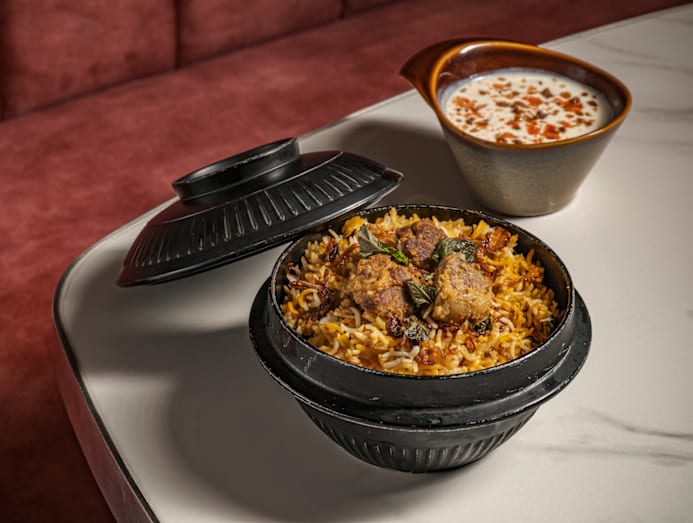
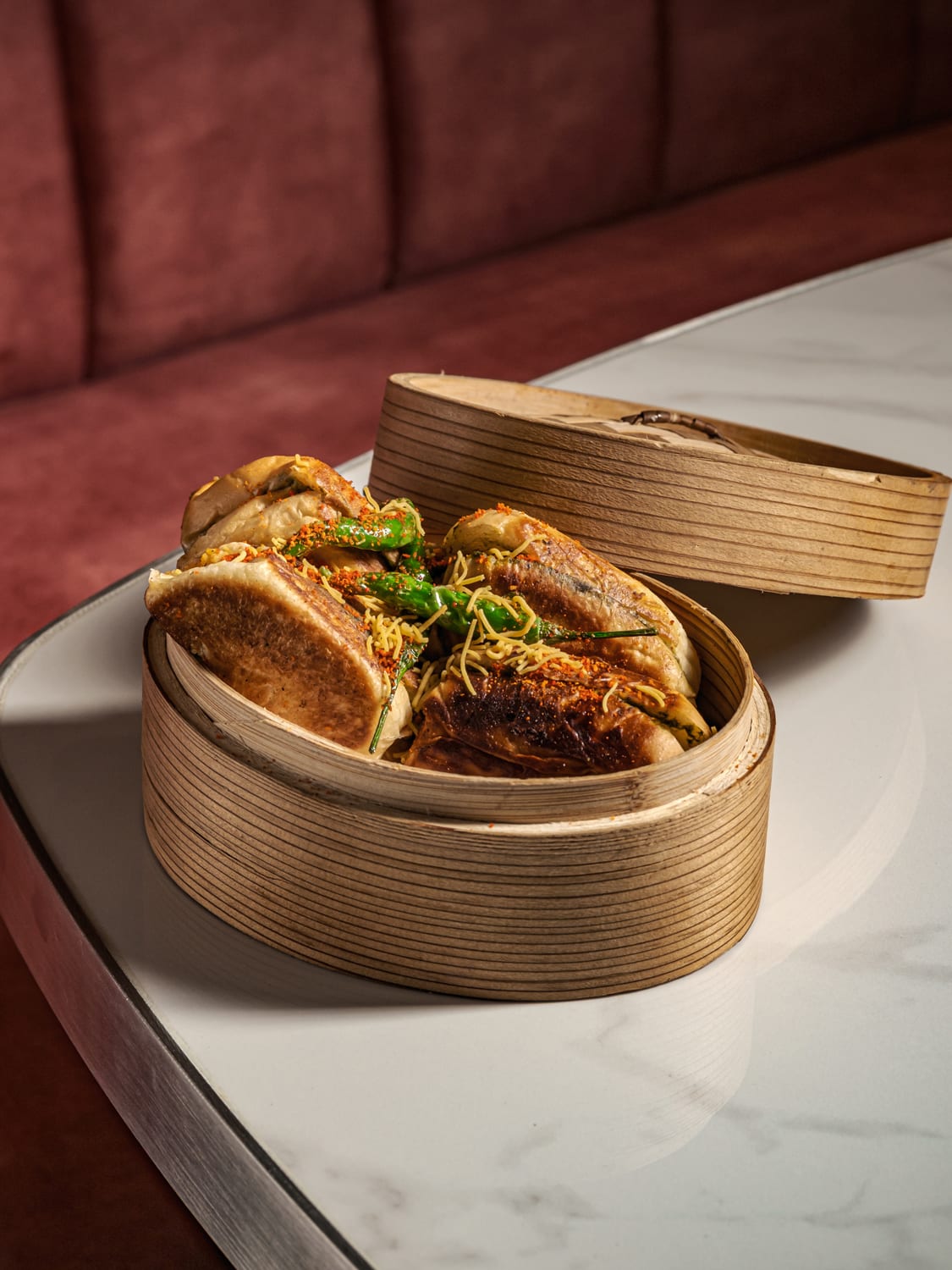
The new Rang Mahal is a direct response to what diners need today. This direction is reflected in the menu, which feels shockingly compact in comparison to its previous guise. Most of it is unfussy and easy to appreciate while exalting Ritu’s family favourites like Maa’s Chilli Cheese Pakoras and Arshiya’s Chowpatty Slider, the latter comprising spiced potato patties sandwiched between soft buns. The buffets once synonymous with Rang Mahal have given way to thali lunch sets that start from S$38 (US$30), featuring four dishes served on the namesake round steel plates.
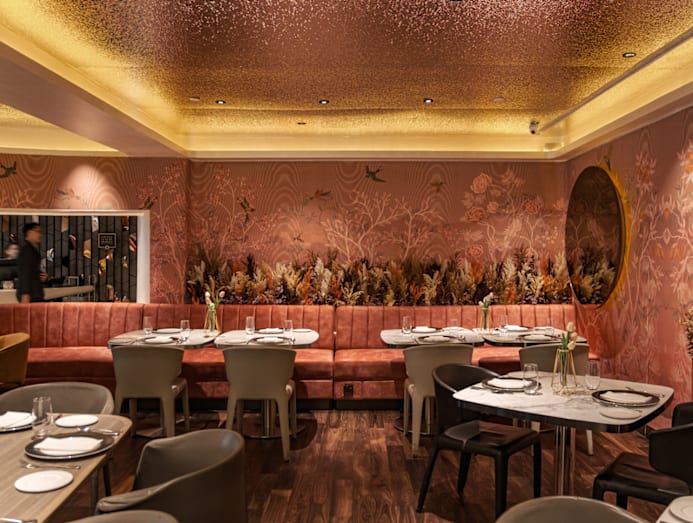
Casual and modern though it may be, the cooking remains grounded in the old ways and adheres to Ritu’s penchant for a healthful diet. “We want to keep our food as least processed as it can be. So, we hand-pound our spices and make our own yoghurt and cottage cheese… things like that. That keeps the purity which we take pride in,” she said.
FOOD FOR A NEW GENERATION
The shifting realities of today’s dining scene call for some swerving and stretching on a restaurant’s part. Yet, as Rang Mahal’s move shows, this can amount to a welcome reset that allows the dining public to experience a wholly new thing that is still cherished and familiar.
“Some people may miss the grandeur of the space and the expanse, but you know, a lot of things haven’t changed,” Arshiya posited. “The recipes remain authentic, and you still feel like you’re being taken care of completely.”
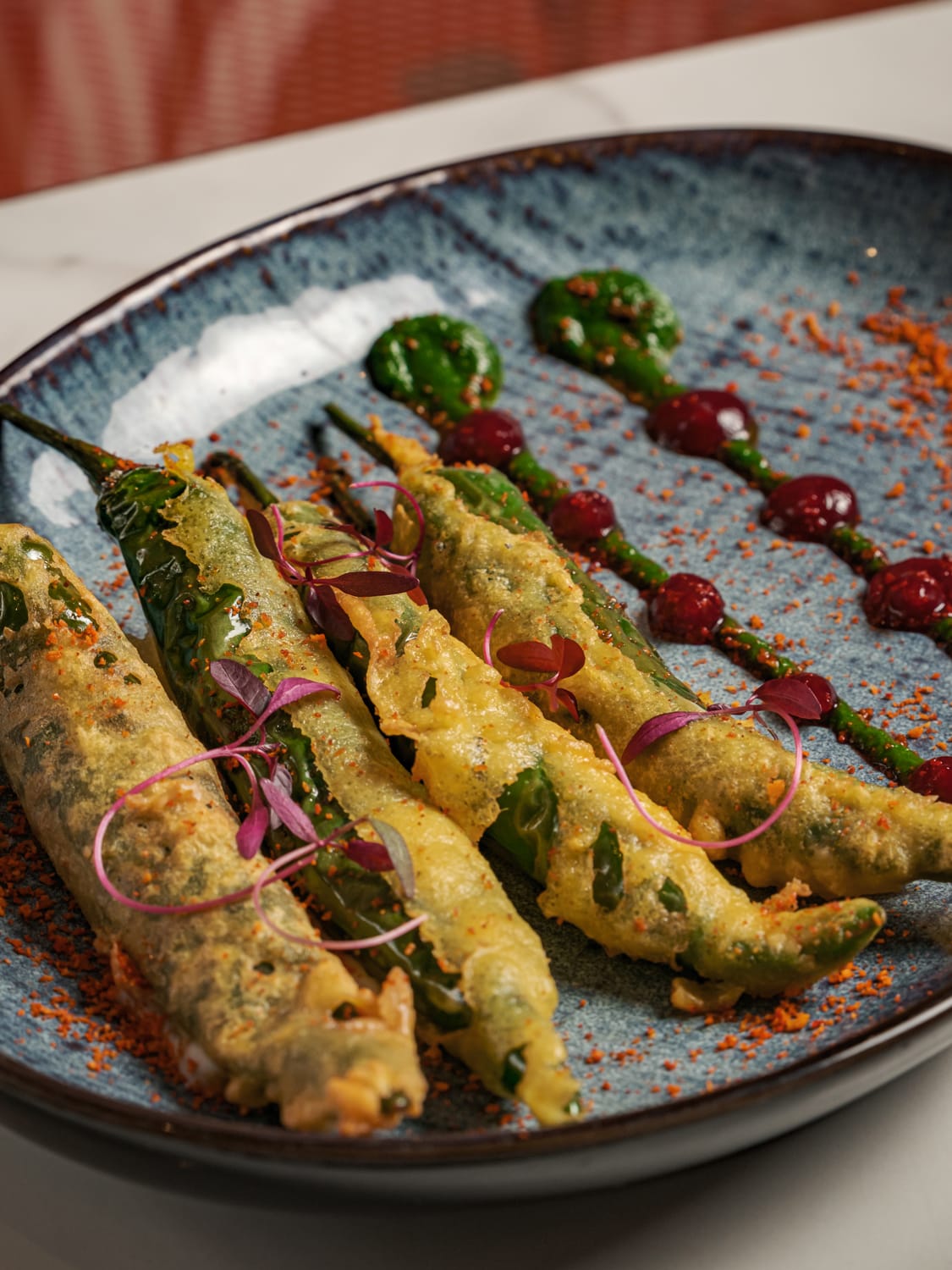
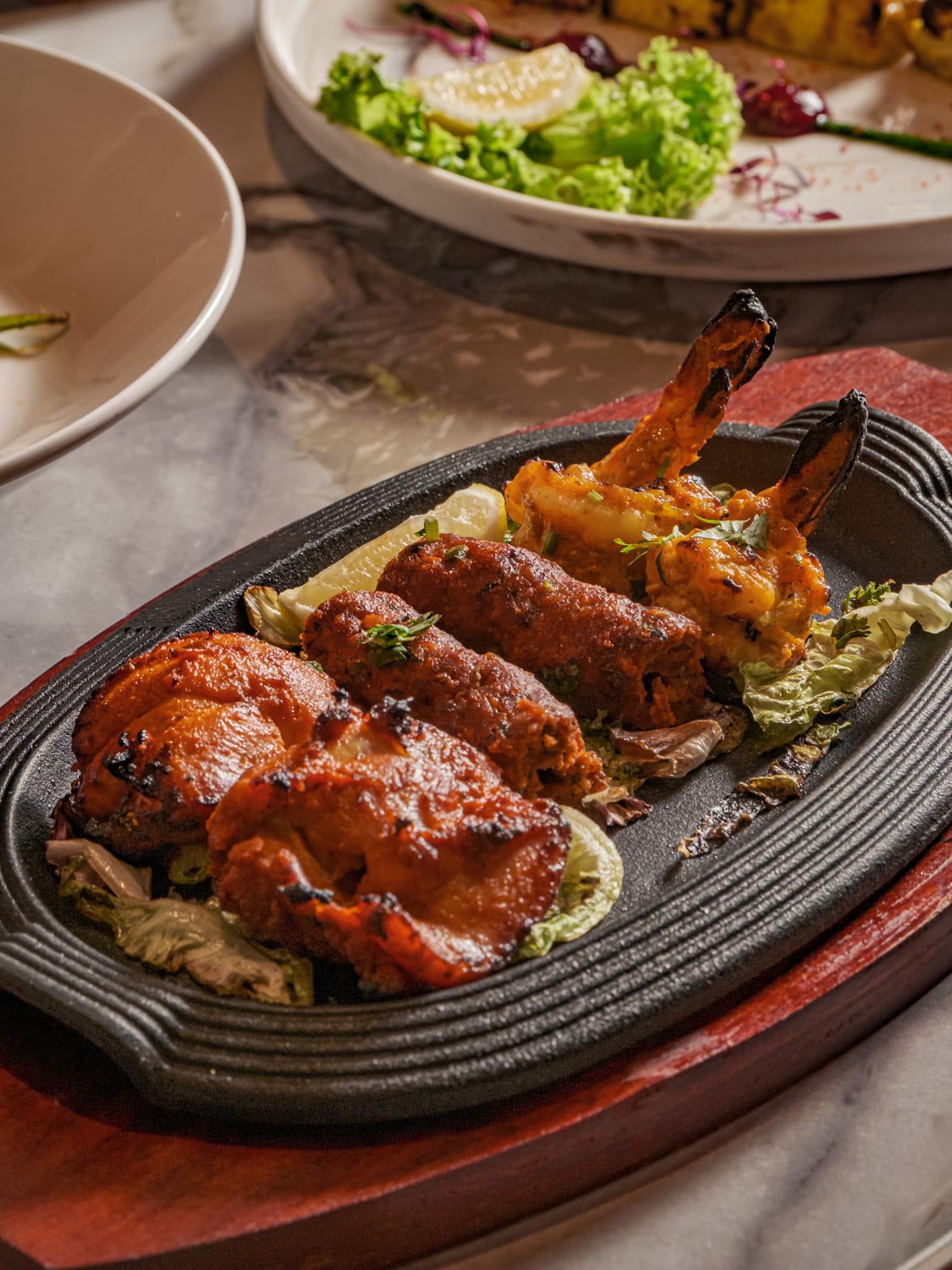
At 61, Ritu is agelessly elegant. Her petite stature belies a steely nerve that has steered Rang Mahal through two decades of the dining public’s whims and fancies. Long before four-hand dinners and chef collabs were a thing, Ritu made it a point to invite renowned contemporary chefs to cook at Rang Mahal, giving her diners a taste of something new and her chefs the opportunity to glean new perspectives on Indian fare and evolve their cuisine to suit the times.
To shake the sameness of a traditional Indian menu, she introduced new and novel dishes, pandering to a younger audience hungry for Insta-worthy offerings. Rang Mahal’s tandoori fondue of 2018 was a hit — who could resist a bubbling broth of cheesy makhani sauce (like butter chicken gravy) served with grilled chicken kebabs and cubed garlic naan for dunking?
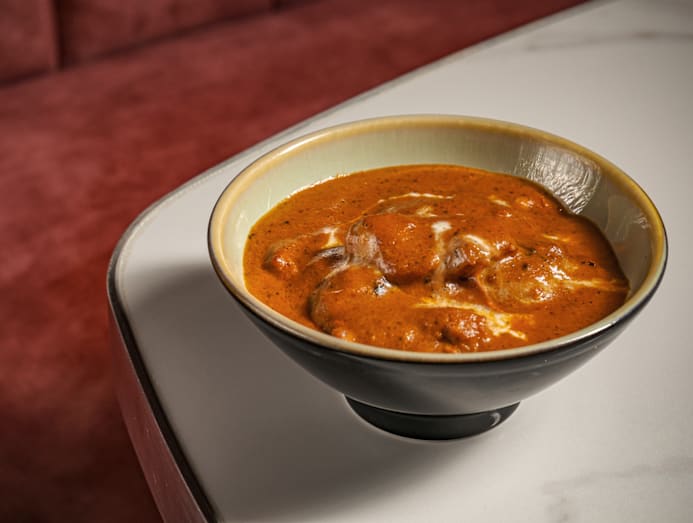
Yet she has always been savvy to the fact that fads don’t last. “People love it. They order it once or twice, but those are never their favourite things. It’s always the classics that they come back for,” she said.
During our last interview in 2018, Ritu cited constant reinvention as the secret to Rang Mahal’s success. While she has no plans to retire, she recognises the need for the restaurant to exist through the lens of a younger generation. “They love going to restaurants and (having) different experiences, so they have a lot more to offer,” Ritu said of her daughter-in-law, who now works with her in charting the restaurant’s new course.
Rang Mahal is still very much my mother-in-law’s,” Arshiya was quick to add. “I’m learning from her and supporting her wherever I can.”