To discover real Roman food, head to the neighbourhoods
The city centre is increasingly dominated by tourist spots, but if you hop on a train or bus, you can be eating authentic dishes among Romans.
(Photos: Massimo Berruti/The New York Times)
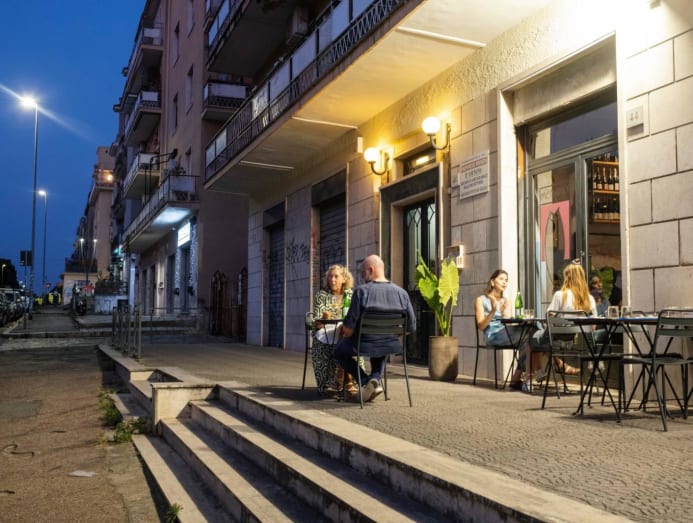
During a recent dinner at a modern Roman trattoria way out in the city sticks, I bonded with strangers at the next table, discovered a new wine, had a pasta epiphany — and smiled at the bill: Just over US$100 (S$128) for two, vino included.
I love Rome as much as the next Bernini-besotted visitor. But to find the platonic ideal of pasta Amatriciana or trippa alla Romana, I had to leave behind the Centro Storico’s cobblestoned piazzas, where faux-Felliniesque tourist mills dish out reheated carbonara to throngs. Instead, my partner and I spent our two weeks in Rome taking the metro and buses to neighbourhoods where affordable rents allow creative young chefs to nurture their talents — and their customers’ appetites — and where a convivial spirit still thrives.
The vibes often recalled Brooklyn or Berlin. But the cooking was rooted in the Roman vernacular, with its guanciale-powered pastas, seasonal vegetables and quinto quarto (aka offal). “Young local chefs haven’t abandoned Roman tradition,” said Marco Bolasco, author of an indispensable new restaurant guide, Roma Food Tour. “But they’re reinterpreting the city’s cuisine with incredible ingredients from the surrounding countryside.” And because of the cost factor, he added, the action was all happening away from the city centre.
The six places below serve up the delicious proof — but make sure to book in advance.
CENTOCELLE
Menabo Vino e Cucina
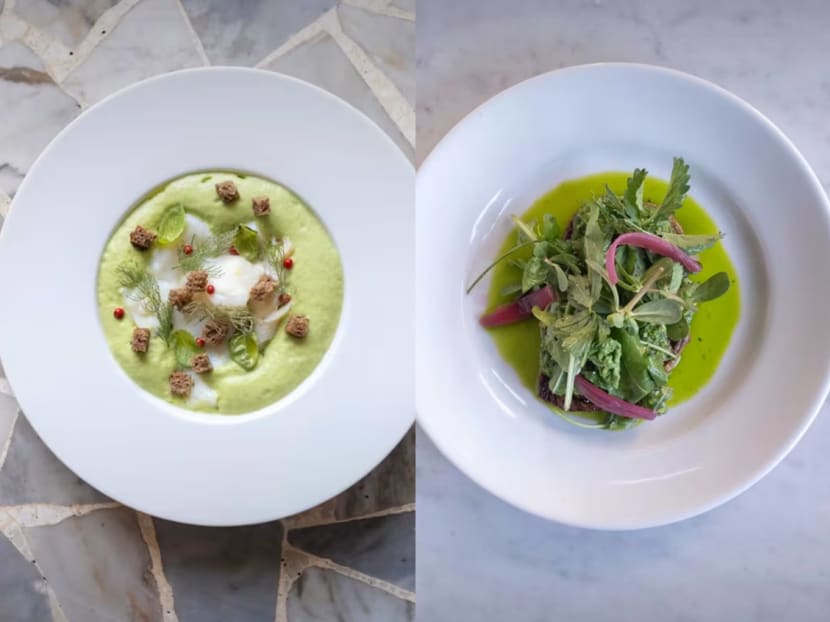
I’m still daydreaming about the ravioli at Menabo Vino e Cucina, silky pouches filled with coratella (lamb innards) topped with a green shock of favas, peas and asparagus and pushed into the stratosphere by a haunting sauce of “smoked milk.” That pasta alone was worth a 40-minute metro trek east of the city centre to the formerly working class neighbourhood of Centocelle.
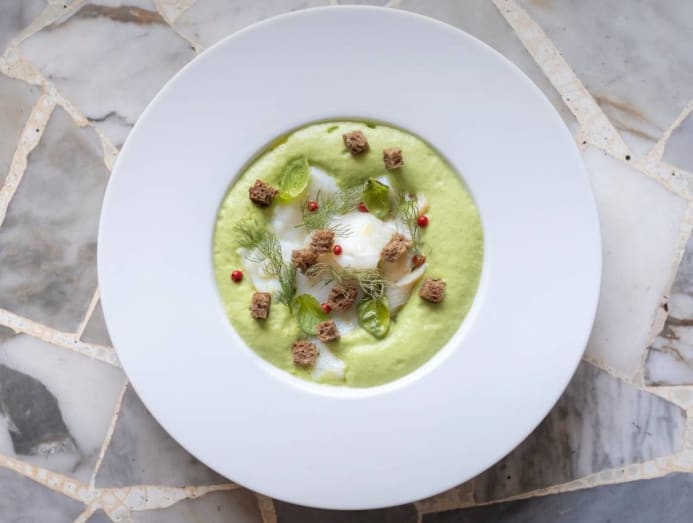
The Camponeschi brothers (Paolo cooks; Daniele is the wine curator and front of the house) opened Menabo seven years ago — attracted, Daniele explains, by Centocelle’s multicultural vibe and community spirit. At their next-gen neighbourhood trattoria, bright blue walls and shelves of wine bottles set the scene for Paolo’s big brawny flavours with interesting twists.
Another transporting pasta was a lovely play of the forest and the sea — fusillotti spirals in a tomatoey sauce with dusky cardoncelli wild mushrooms and a salty jolt of anchovies. Among the terrific secondi were crusty fried lamb riblets brightened with sour cherries and bitter wild greens, and seared amberjack in a complex coconut bisque prepared by the Bangladeshi sous chef Shahin Toufikur. The 300-label wine list has a formidable Champagne selection along with quirky surprises from tiny producers.
Via delle Palme 44 D/E, Centocelle; pastas from €14, or about US$16.50; entrees from €16, or about US$18.75.
SAN LORENZO
Mazzo
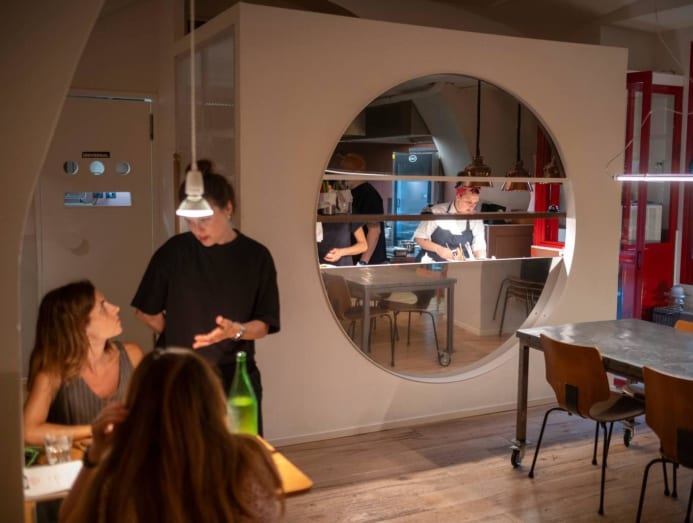
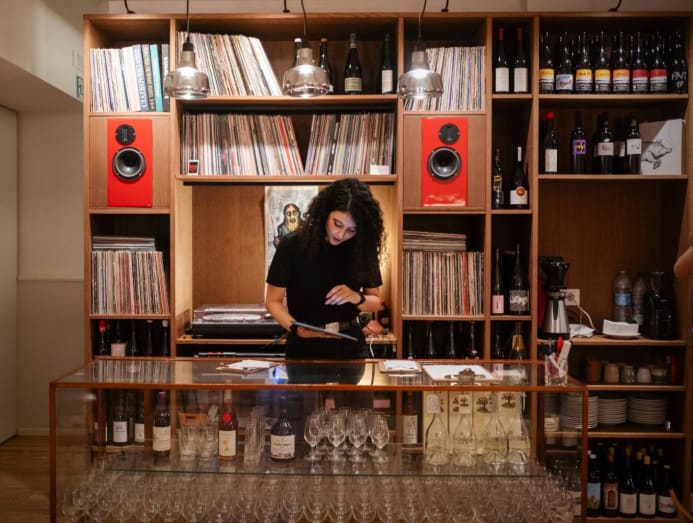
Centocelle was also the neighbourhood where chefs Francesca Barreca and Marco Baccanelli opened their cult 12-seat Mazzo back in 2013. After a four-year closure, they have resurfaced in San Lorenzo, the graffitied bohemian enclave just east of Termini station. Now their fans are polishing off trippa alla Romana — normally stewed, but here transformed into a pile of crisp-fried chewy tripe strips atop a vibrant tomato sauce — in a space that once housed a bakery, with a giant porthole framing the kitchen and a DJ station showcasing the owners’ collection of vinyl.
Occupying a sweet spot between creative and comforting, the super-short menu has a few Roman classics but also reflects the cosmopolitan taste of its worldly chef-owners. Our sublime dish of roasted lettuce with the tang of lime and a thin veil of tahini was a welcome break from the city’s offal-intensive cucina.
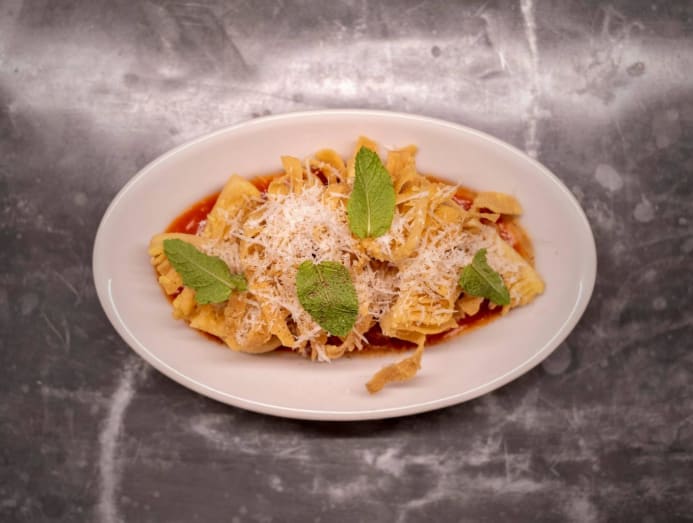
Among other highlights were garlicky fettuccine threaded with slippery nuggets of salt cod and sun-dried peppers from Basilicata; and ruote pazze (“crazy pinwheels”) in a soulful ragu of Sardinian sausage shot through with wild fennel. After the chewy fire-kissed pork neck steak with glazed roasted turnips, a cloud of lemon curd brulee made an ethereal finish.
Via degli Equi 62, San Lorenzo; pastas from €16; entrees from €22.
GARBATELLA
Trecca-Roma
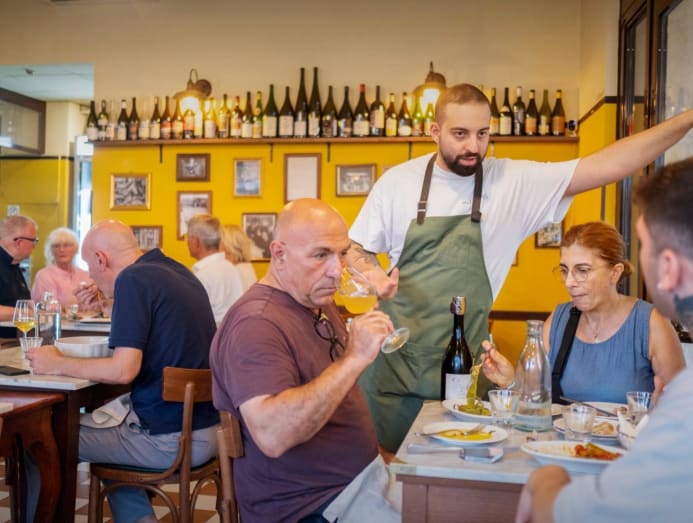
Is a bowl of pasta Amatriciana worth taking one bus, then waiting 20 minutes at a deserted stop in the darkness for a second bus to arrive, and when it never does, frantically calling a taxi? We pondered the question squeezed around a marble table at Trecca-Roma.
Located in the southern Garbatella neighbourhood, some four miles from the centre, Trecca is both rootsy and trendy, with a menu of classic pastas and offal delivered by tattooed servers eager to tell you about the biodynamic olive oil. The Instagrammable vibes and the cucina di nonna updated with exalted ingredients come courtesy of brothers Manuel and Nicolo Trecastelli, who own a couple of popular pizzerie in town and know exactly what Rome’s cool kids are craving.
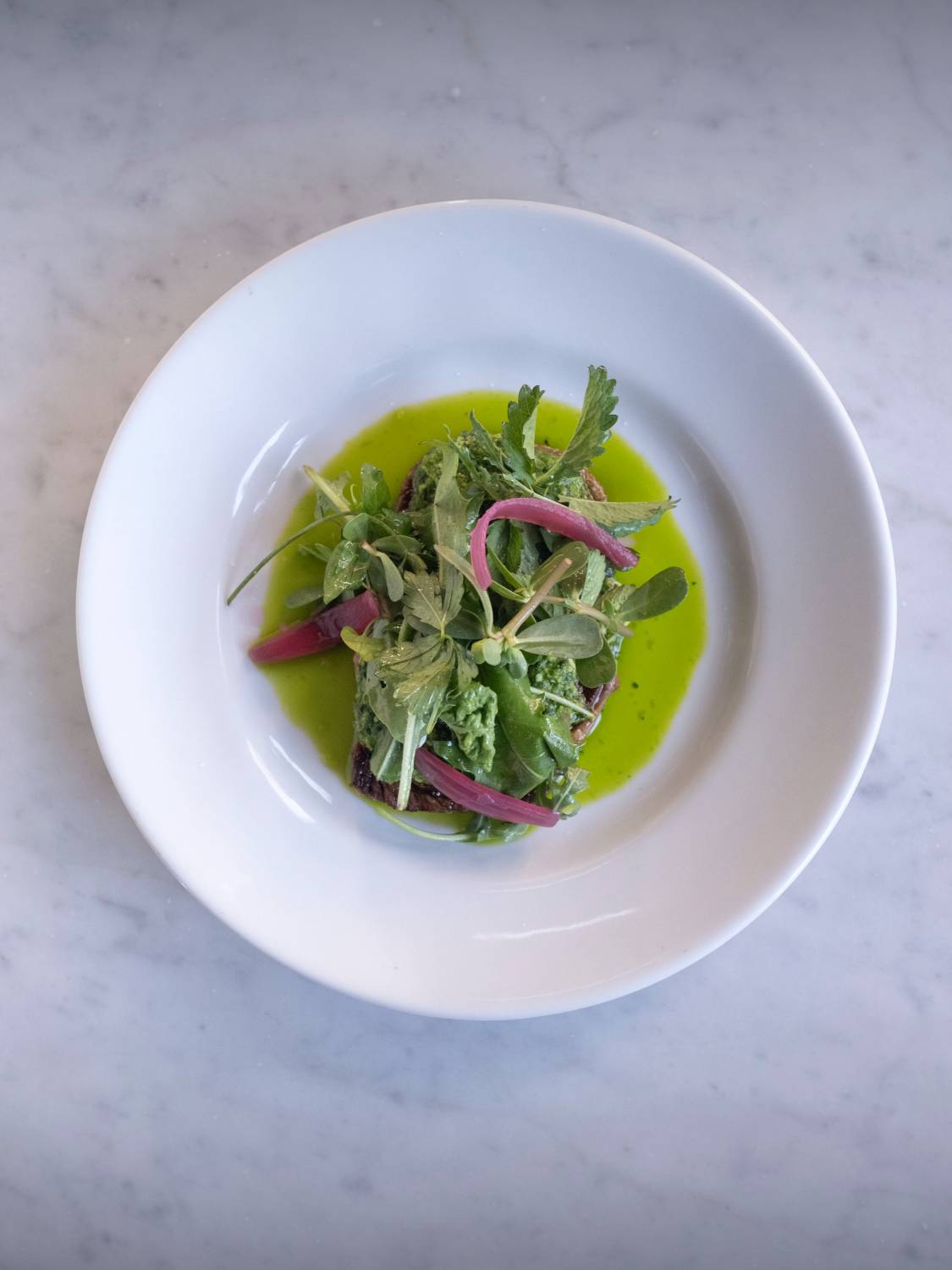
My personal craving for tongue was fulfilled by seared slices of lingua in a sharp salsa verde. At an adjacent table a pair of veteran gourmands pronounced their coda (a rich stew of Fassona beef oxtails) the best in the city. Our own meal involved a majestic whole roasted artichoke in a puddle of that beautiful olive oil, hand-torn fettuccine sauced with chicken livers and oodles of butter, and a sizzling skewer of pajata (suckling-calf intestines).
And the pasta Amatriciana? I’d happily walk here for that voluptuous sauce of Lazio-grown Marasca tomatoes, enriched by the unconventional addition of onions and laced with smoky guanciale.
Via Alessandro Severo 220, Garbatella; pastas and entrees from €15.
FLAMINIO
Enoteca Mosto and Avenida Calo
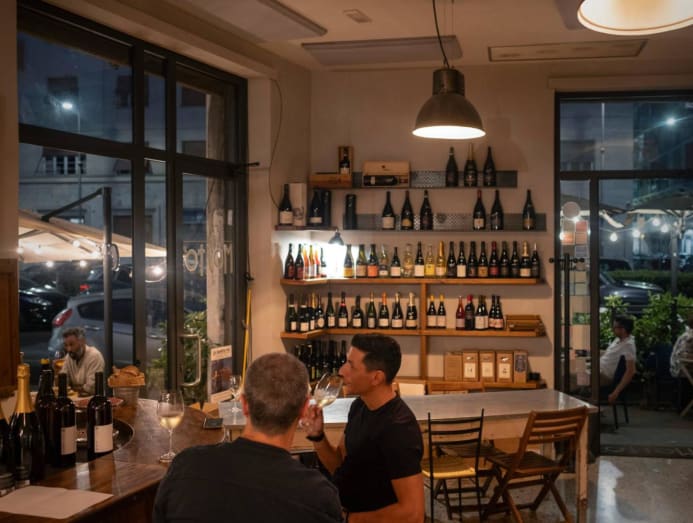
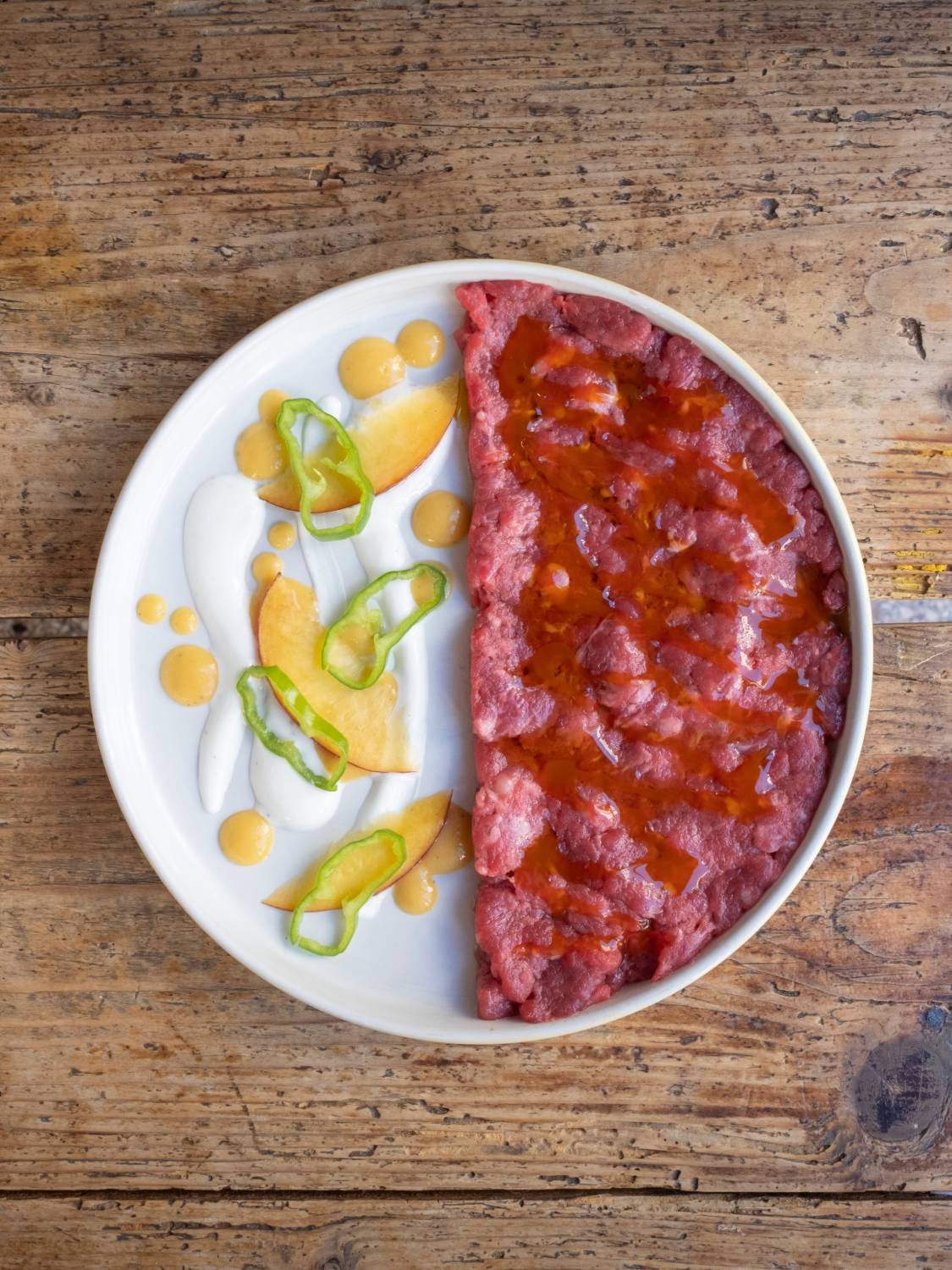
Getting to Quartiere Flaminio, north of the centre, doesn’t require any commuting heroics. After a short creaky tram ride from Piazza del Popolo, we were sniffing white peach notes in a glass of quirky Slovenian white at the lovable oenophile hangout, Enoteca Mosto, before a pizza adventure at Avenida Calo.
Mosto’s bearded, burly patrone, Ciro Borriello, is a natural wine geek always ready to recommend the perfect bottle from his ever-changing selection of some 450 labels. “Wine list? I am the wine list!” he boomed cheerfully, pouring glasses of cloudy, bottle-fermented prosecco to accompany plates of beer-cured pecorino from Lazio, finocchiona sausage from Tuscan black pigs, and a gorgeous puntarelle salad with almonds and figs.
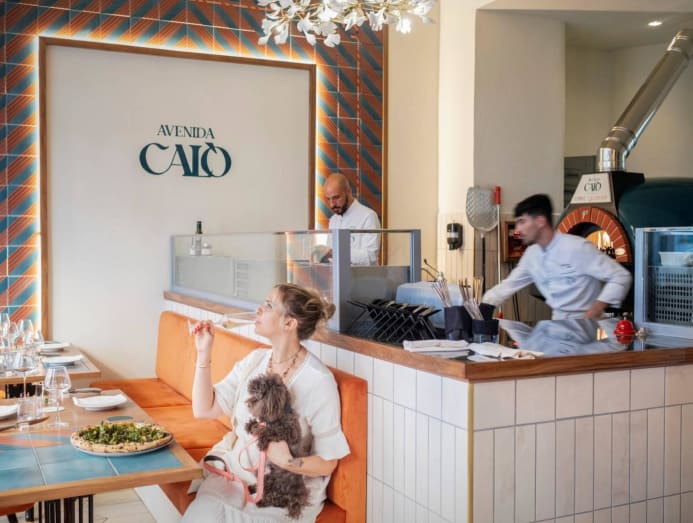
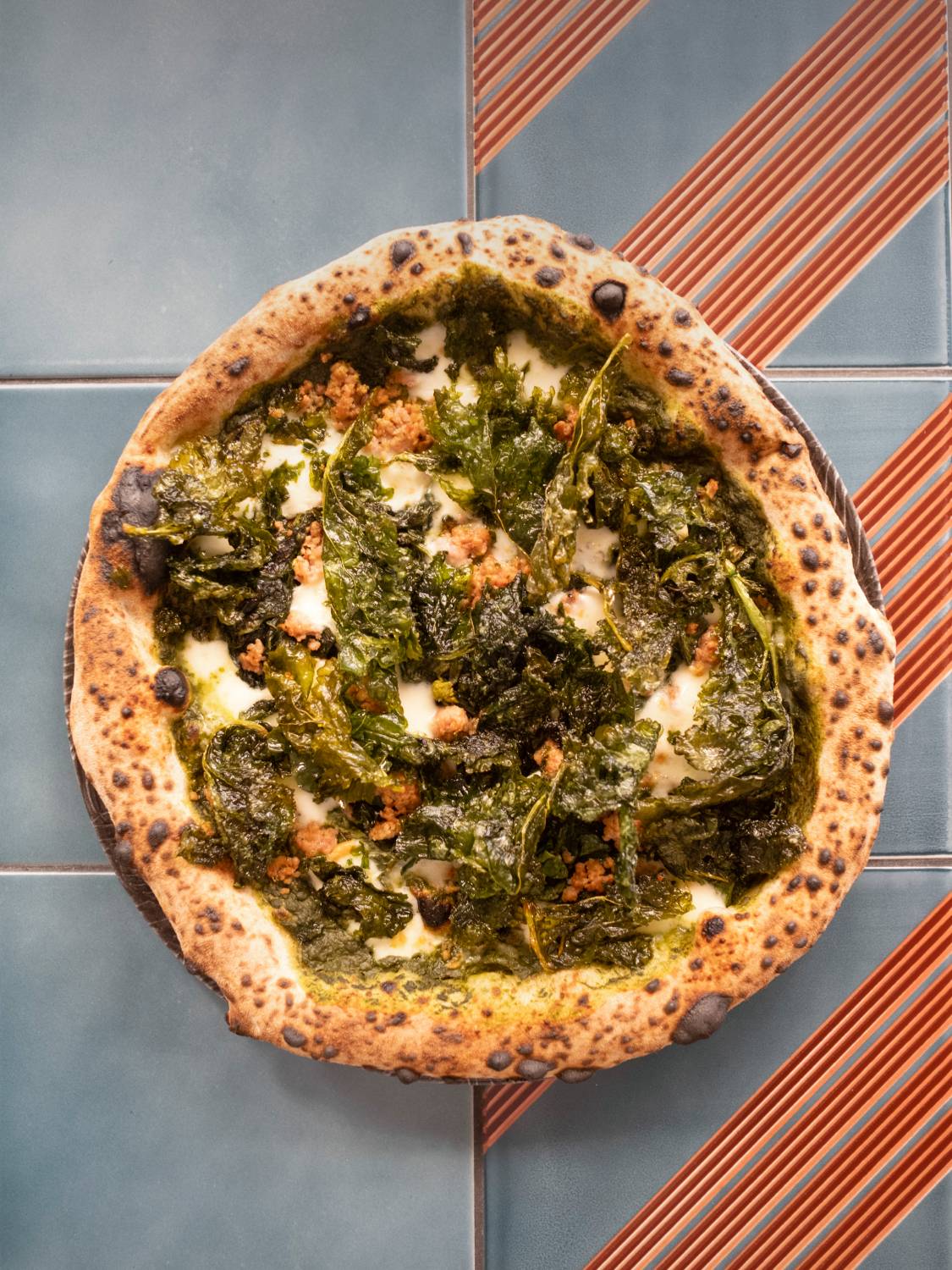
Just up the street, the stylish Avenida Calo was launched last year by Francesco Calo, who made a splash with his pizzeria in Vienna before joining the ranks of Rome’s new wave pizza auteurs. His distinctive slow-leavened crust — made with a blend of flours and intriguingly nutty from a high percentage of bran — is offered with two dozen toppings, from classic to creative to outre.
To sample a few, order the tasting menu, a parade of dainty spicchi (wedges) presented on hand-shaped porcelain pedestals. One called Bufalina 2.0 showcased sun-sweet tomatoes and wisps of fried basil beneath a cloud of buffalo mozzarella foam, all atop Calo’s special “double crunch” crust — fried then baked, and reserved for certain pizzas. There was also a verdant composition of broccoli rabe deconstructed into three textures from creamy to crispy and mingling with two cheeses and sausage. As for the topping of amberjack carpaccio, Hokkaido pumpkin and bonito flakes, it confirmed my suspicion: everything tastes better on a pizza.
Enoteca Mosto: Viale Pinturicchio 32, Flaminio; small plates from €10; wines by the glass from €6.
Avenida Calo: Viale Pinturicchio 40, Flaminio; pizzas from €9 to 22; tasting menu €55.
PRATI
Gabrini
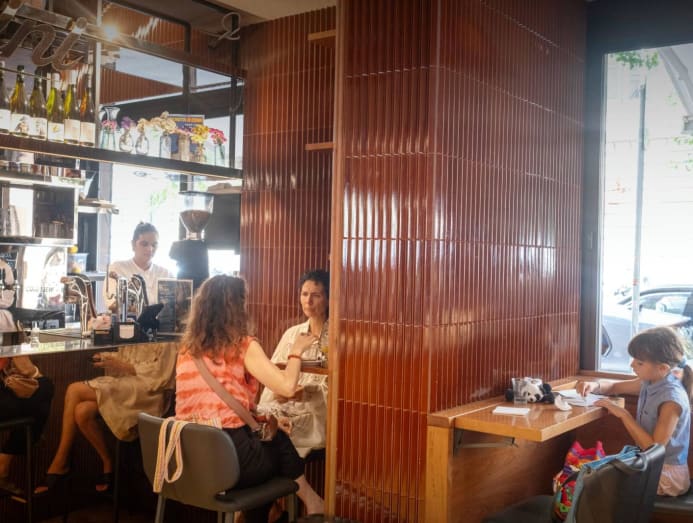
Can’t get into Roscioli, the legendary deli-slash-restaurant besieged by tourists these days? Head to Gabrini in Prati, the residential district near the Vatican, for similar pleasures, this time surrounded by actual Romans.
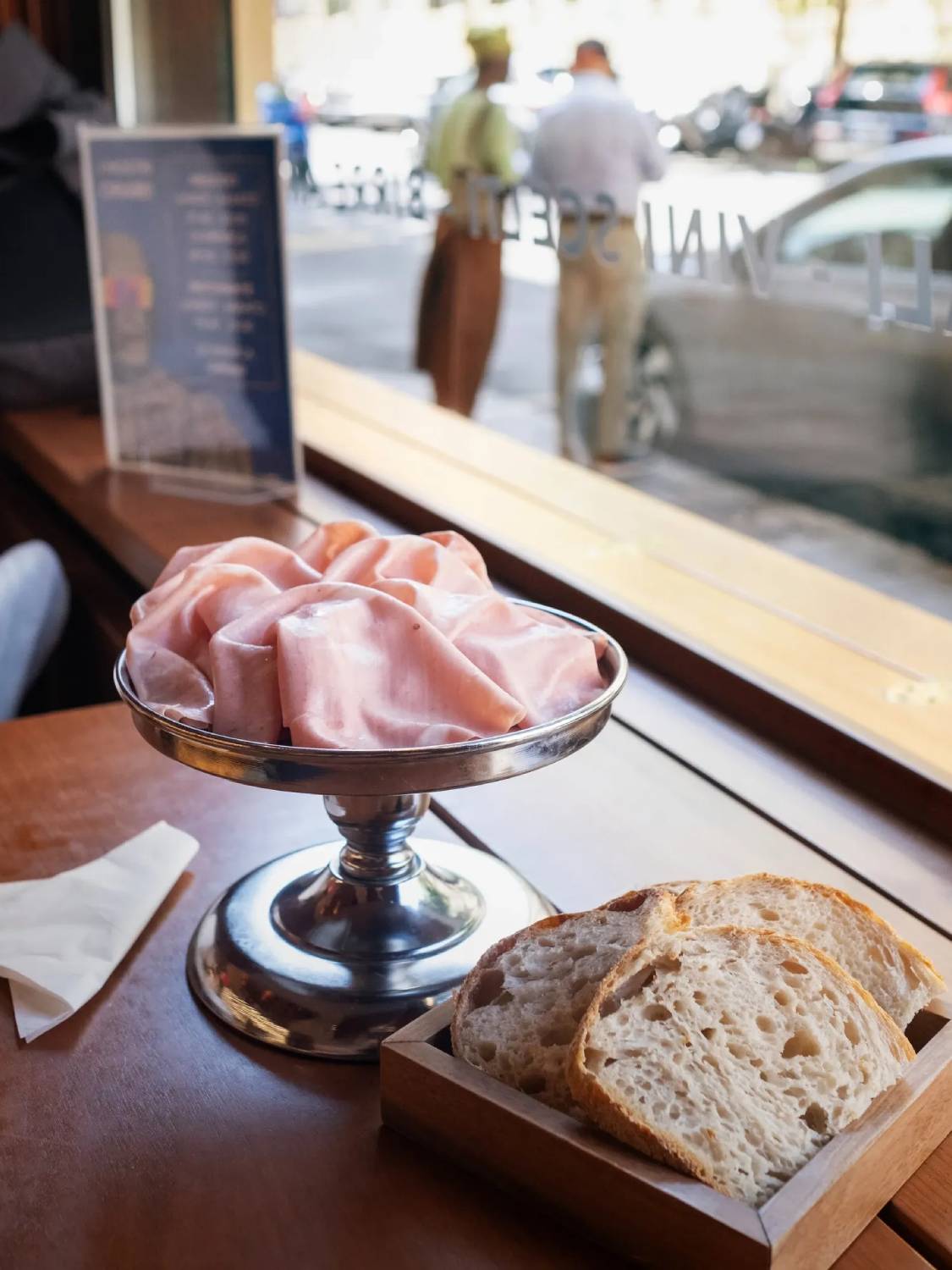
Gabrini’s co-owner Camilla Castroni comes from the family behind Castroni, a historic specialty food chain. Last year, she and her partners transformed the deli beside the original Castroni location into a polished space housing an osteria, a bakery, a chic coffee bar, and a store-length counter piled with pedigreed salumi and cheeses. That counter can supply an impeccable lunch starring, say, milky blobs of mozzarella from Paestum, pink curls of Slow Food-approved mortadella, prosciutto from rare-breed pigs — and perhaps gnocco fritto (a square of airy fried dough) topped with ricotta, headcheese and candied orange.
At night, nifty retractable tables come out and the lighting turns soft and romantic. Among the elegant dishes from the chef Marco Moroni we sampled one evening was a grilled pizzetta with silky chicken liver pate and persimmon chutney, and eggy tagliolini swaddled in an emulsion of Bordier butter and aged Parmigiano that tasted like 24-karat gold. Hot tip: Call to preorder the roast chicken for two. The succulent bird from a sustainable Lombardy farm is spit-roasted to a gorgeous mahogany and served with butter-glossed caramelized veggies. Follow it with the opulent ricotta chocolate tart.
Viale Cola di Rienzo 200, Prati; small plates from €6; pastas from €15; entrees from €19.
By Anya von Bremzen © The New York Times
This article originally appeared in The New York Times