From a Chanel fashion show to a Prada cafe: Why Singapore is becoming a global luxury lifestyle hub
In 2025, global brands doubled down on Singapore with headline-making pop-ups, fashion runways and F&B ventures – some of which are first-in-the-world or first-in-the-region concepts. What’s driving the city’s ascent as a luxury lifestyle capital?

(Art: CNA/Jasper Loh)

This audio is generated by an AI tool.


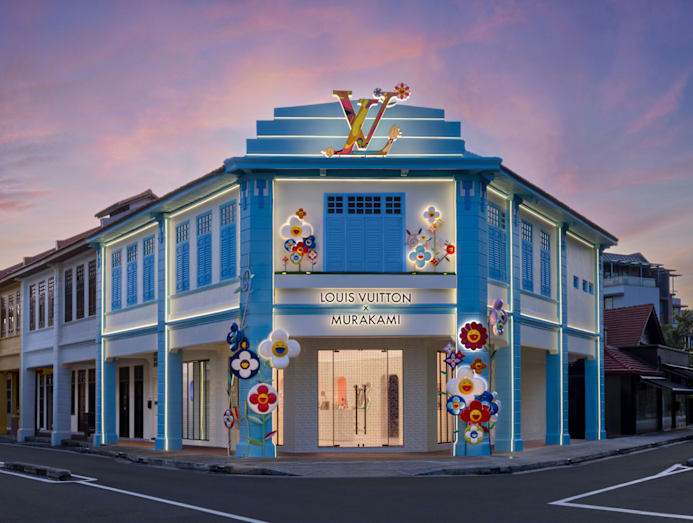
The year 2025 proved to be a standout moment in Singapore’s luxury lifestyle scene. It began on a high note in January when Louis Vuitton staged its Takashi Murakami collection pop-up in a heritage building in Joo Chiat, drawing eager crowds and setting off a wave of social-media buzz.
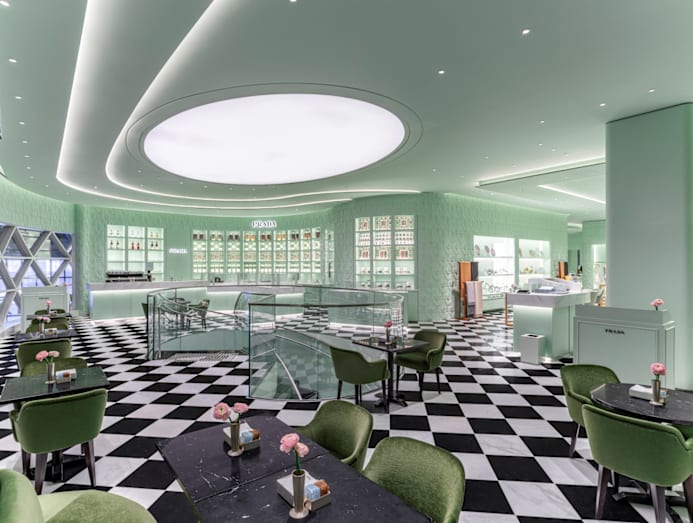
It was also the year global brands across various categories deepened their presence in Singapore’s F&B scene. Watch brand Audemars Piguet opened a cafe at Raffles Singapore, choosing the city as the stage for this world-first concept. Similarly, Italian fashion house Prada launched a cafe at Ion Orchard, its first such venture in Asia, while carmaker Audi introduced a bakery and speakeasy bar inside its Chinatown showroom.
American fashion brand Coach debuted a cafe at Resorts World Sentosa (RWS) in July, and later on a New York-style full-service restaurant at Jewel Changi Airport in October.
High jewellery showcases through the year by brands such as Bvlgari, Cartier and Tiffany & Co captured the attention of not just local VIP clients, but discerning collectors from around the region as well.
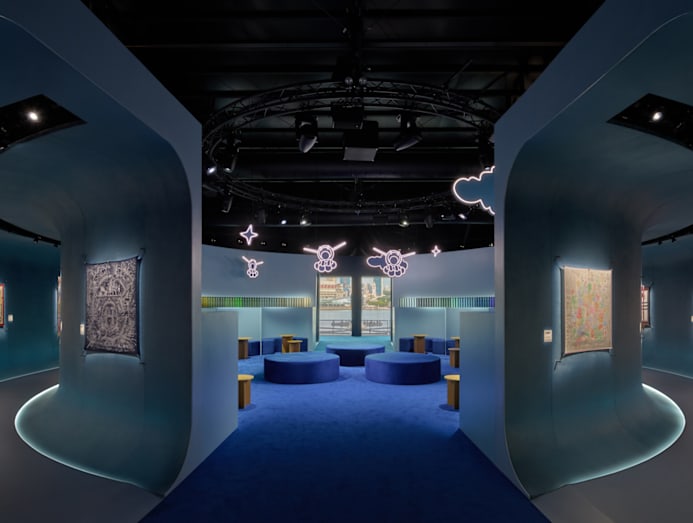
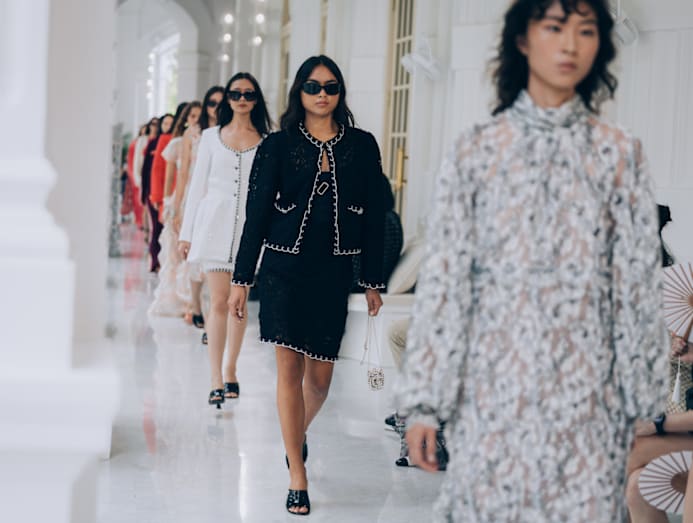
Closing out a bumper year was Hermes’ first-in-the-world Silky Way pop-up at Marina Bay Sands in October, and Chanel’s restaging of its Cruise 2025/2026 fashion show in November, which transformed Raffles Hotel into a runway spectacle and reaffirmed Singapore’s position as a key fashion capital.
Industry players say global brands are increasingly looking to Singapore as a launchpad for new concepts and experiential pop-ups “due to our position as Southeast Asia's premier luxury retail hub”, said Yeo Mui Hong, CEO of Orchard Turn Developments.
This momentum, she added, is fuelled by “a resilient, affluent local market, combined with a steady influx of high-spending international tourists”.
Singapore’s fast-moving consumer culture also amplifies buzz. “When a brand launches something special here, word spreads fast – both on the ground and through social media. What happens in Singapore often becomes a reference point for the rest of the region,” Yeo said.
A WORLD-CLASS DESTINATION WITH DISTINCTIVE VALUE
Singapore’s growing appeal as a hub for such high-profile launches comes down to a mix of “practical advantages and strategic positioning”, said Cherie Lee, director of lifestyle and attractions at the Singapore Tourism Board (STB). “Our political stability, world-class connectivity, and trusted ecosystem of professional services provide brands with the confidence and infrastructure needed for successful launches.”
Lee added that the city’s sophisticated, multicultural consumer base offers an ideal test market, while Singapore’s strategic position means that successful concepts launched here “not only generate buzz across the region but also validate market concepts for regional rollout”.
“This track record is encouraging more companies to establish Singapore as their long-term hub for developing and launching future concepts across Asia-Pacific,” she said.
These developments directly support STB’s Tourism 2040 vision of quality tourism growth. By 2040, STB aims to achieve between S$47 billion (US$36.29 billion) to S$50 billion tourism receipts, aiming for the country to become a world-class destination with diverse, unique and inspiring experiences.
“By attracting exclusive launches and experiences that cannot be found elsewhere, we are creating compelling reasons for visitors to choose Singapore, reinforcing our positioning as a world-class destination that delivers distinctive value rather than simply competing on volume,” said Lee.
To nurture such offerings, STB provides funding support through initiatives such as the Experience Step-Up Fund – focused on enhancing tourism products through experiential storytelling – and the Kickstart Fund, which helps test-bed innovative concepts with strong tourism potential.
Singapore is also leveraging its ability to attract high-spending regional travellers. “Singapore’s visitor numbers and tourism receipts have rebounded strongly since the COVID-19 pandemic. A significant share of that comes from high-spending travellers from Indonesia, Malaysia, Thailand, Vietnam, Australia and India, many of whom combine several purposes in one trip,” said Dr Natt Srinara, a lecturer at EHL Hospitality Business School.
“For a maison, a flagship in Singapore not just serves local residents, it is effectively a showcase for affluent clients from Jakarta, Manila, Ho Chi Minh City and beyond, who may not yet have the same breadth of luxury offerings at home. A weekend in Singapore allows them to experience watch salons, couture, fine dining, wellness and art, all within the convenience and safety that Singapore provides,” added Dr Srinara.
"When a brand launches something special here, word spreads fast. What happens in Singapore often becomes a reference point for the rest of the region." – Yeo Mui Hong
THE LUXURY OF EXPERIENCE AND LOCALITY
As traditional luxury goods face slowing demand, consumers increasingly value immersive experiences that create lasting memories. Bain & Company projects a 2 per cent to 5 per cent decline in global personal luxury goods in 2025, with aspirational shoppers in particular cutting back.
And for the younger generations, luxury is no longer defined solely by ownership of expensive items, but by experiences and memories. “These days, millennials and Gen Z are all about collecting experiences rather than material goods. By launching immersive spaces or experiences, luxury brands sell a lifestyle, not just a product, which signals cultural relevance and deepens emotional engagement,” said Terrence Quah, general manager of Merkle Singapore and Dentsu X, Singapore.
Experiential offerings also provide accessible entry points for aspirational consumers who want to participate in the brand world. “A S$15 latte at an experiential cafe offers accessibility without compromising the prestige of the S$3,000 handbag. It creates a pipeline of future luxury buyers while keeping current customers engaged.”
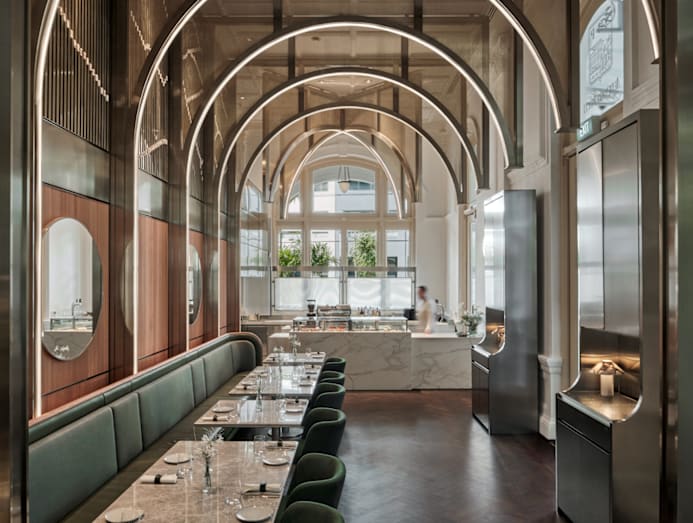
Pop-ups and hospitality concepts also allow brands to embed themselves in local culture while maintaining global consistency, helping luxury houses feel alive and culturally attuned rather than static or elitist, said Quah.
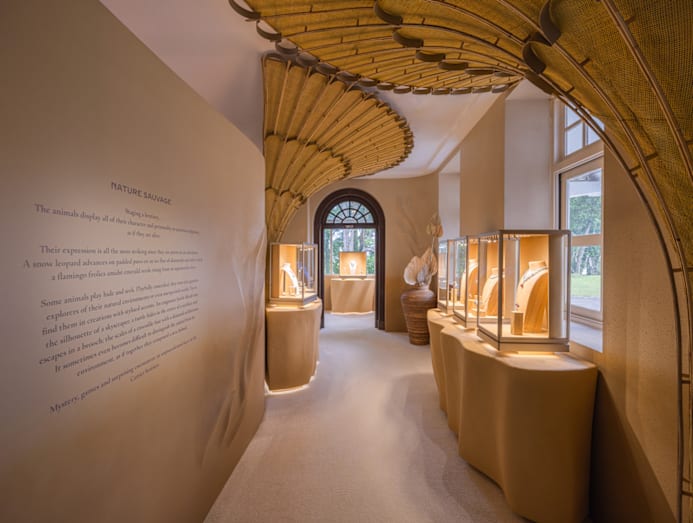
At Cartier’s by-invitation-only Nature Sauvage high jewellery exhibition in April 2025, the jeweller collaborated with local and regional artisans to bring the showcase’s ambience to life. The immersive exhibition space, staged in Singapore’s historic Former Command House, was organised into six thematic rooms, furnished and decorated in partnership with several artisans.
Singaporean artist Mike Tay from Onlewo designed bespoke fabrics, furniture retailer Rooma supplied handcrafted rattan and wood furniture made by skilled Indonesian craftsmen and Malaysian batik artists Swee Lin and Swee May from Manekya, were commissioned to create a bespoke batik print that incorporated Cartier’s iconic fauna in its design.
Similarly, Louis Vuitton created a Peranakan-inspired bar at its Savoir Rever showcase in September, and Bvlgari hosted its high jewellery trunk show in July in the historic House of Tan Yeok Nee in celebration of Singapore’s cultural identity and heritage.
Even the F&B scene blends luxury with locality, with menus that incorporate local flavours. The AP Cafe, a collaboration with Burnt Ends Hospitality Group, serves a chicken rice club sandwich, and the Coach Coffee Shop dishes out an intriguing chill-crab soft-serve.
“This creates authentic Singapore experiences that reflect our multicultural identity while meeting international standards for both locals and visitors,” said STB’s Lee.
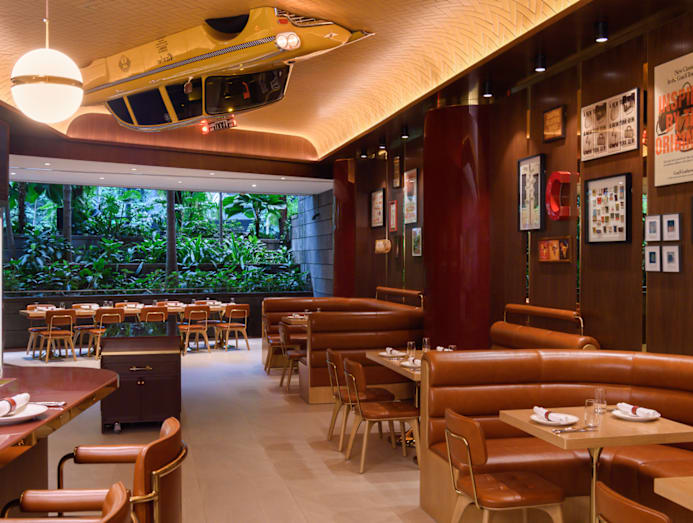
"By launching immersive spaces or experiences, luxury brands sell a lifestyle, not just a product." – Terrence Quah
OPPORTUNITY FOR LOCAL BRANDS
As global brands launch ever more attention-grabbing concepts here, the question then arises – do local brands face tougher competition, or a chance to shine?
For Carolyn Kan, founder of local jewellery brand Carrie K, the answer is both, “but weighted more toward opportunity for brands that know who they are”.
“Of course, global brands come with enormous budgets and global fanfare. But their scale is also their limitation,” said Kan.
Kan started Carrie K in 2009. The brand specialises in personalised, meaningful and modular jewellery and its clients include engagement ring buyers, modern brides and their families, as well as self-purchasing women. At UltraLuxe 2025, a luxury festival held annually in Singapore, Carrie K debuted its Wish Bar experience, where clients can personalise their own jewellery according to their intentions, values and wishes.
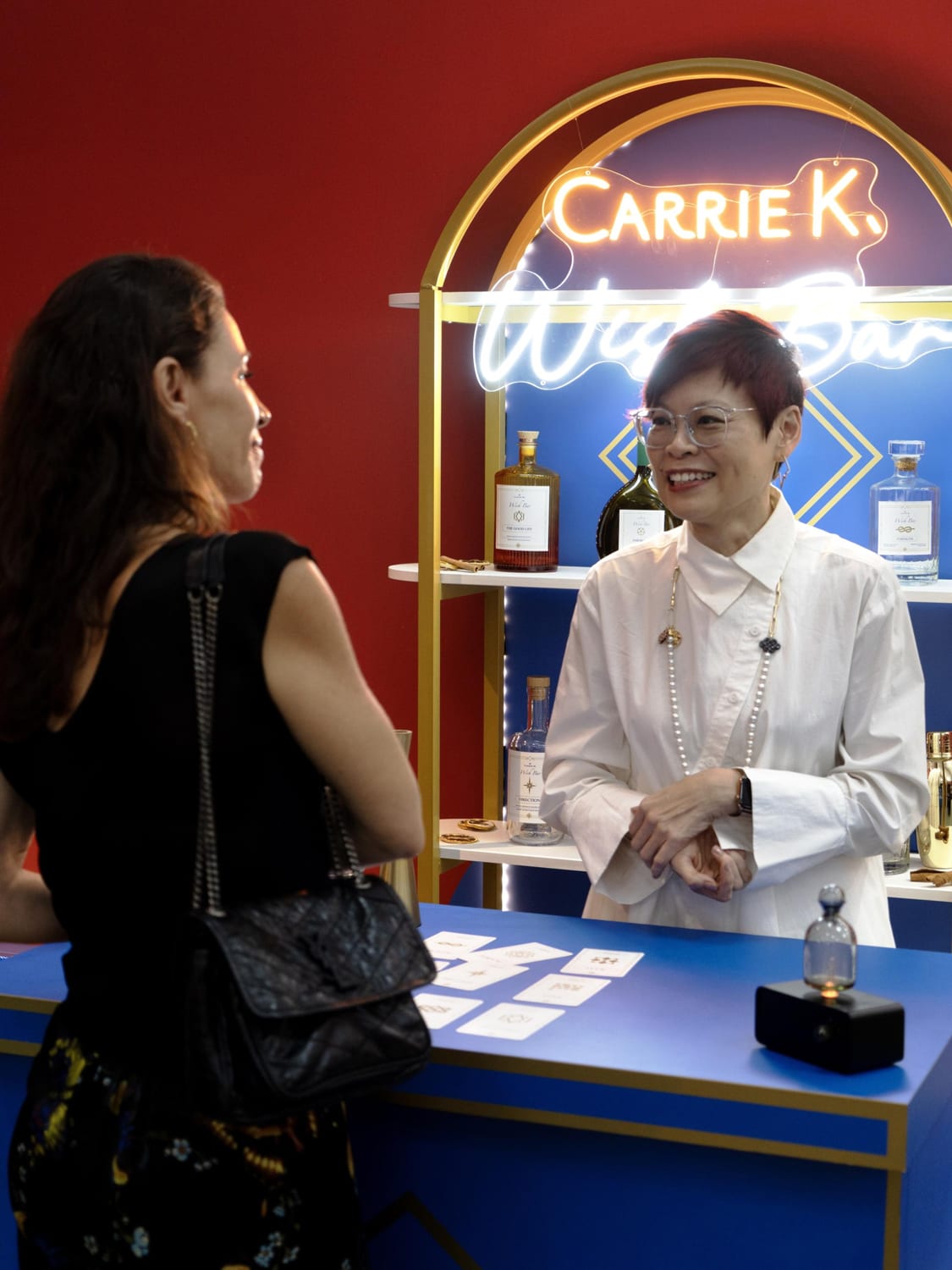
“Luxury shoppers in Singapore now want emotional connection, personalisation, and craftsmanship – not just logos or status symbols. This is why, even as mega-brands make their splashy entries, there’s rising appetite for meaning-driven, boutique luxury that offers a more intimate, story-rich experience,” said Kan.
In the same line, STB supports the promotion of Singapore's local retail brands through platforms such as Boutiques Singapore, a biannual shopping event showcasing over 300 independent brands, and DORS (Design Orchard Retail Showcase), a dedicated retail space on Orchard Road that spotlights local brands.
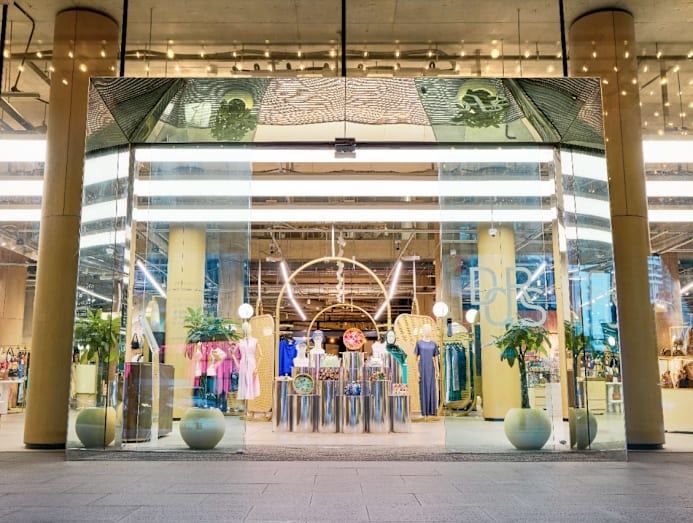
Such initiatives “provide opportunities for homegrown designers and retailers to showcase their creativity and reach both local and international audiences”, said Lee.
While local brands cannot “out-spectacle” global giants, “the future of luxury isn’t louder", Kan believes. "It’s deeper, more intentional, and more human. And that is where Singaporean luxury brands can shine."
MAINTAINING SINGAPORE’S EDGE
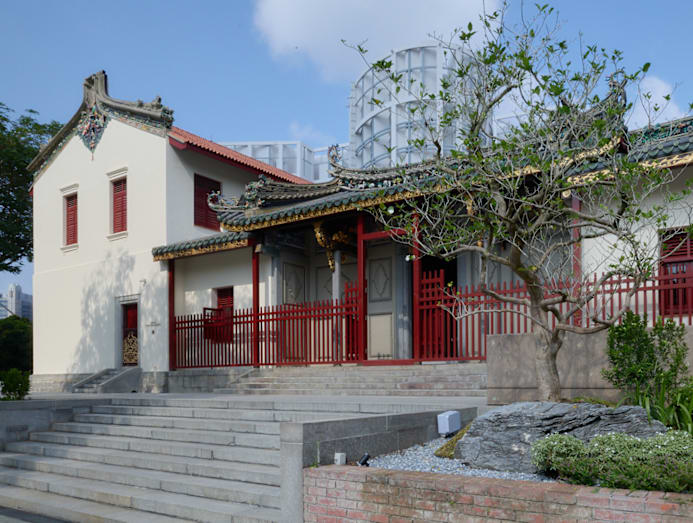
Once considered the gateway to Southeast Asia, there is a “clear shift” that Singapore is now a “global luxury capital, comparable to strongholds such as Hong Kong, Tokyo and Dubai”, said Merkle Singapore’s Quah.
Hospitality trends echo this shift, with top-tier brands – from the forthcoming Aman Singapore to the new ultra-luxury resort destination IR2 at Marina Bay Sands – expanding in the city. “These groups grow only in places they regard as true global luxury destinations,” noted EHL’s Dr Srinara.
The luxury consumer in Singapore has also evolved, best described as “multi-experience seekers”, said Orchard Turns’ Yeo. “They are curious, deeply experience driven, and view shopping as an immersive, multi-sensory journey that transcends traditional transactions. These consumers don’t just come to shop; they come to discover, learn, and enjoy moments that feel personal and memorable.”
At the same time, competition is rising across the region. “While cities like Seoul, Bangkok, Tokyo and Dubai are aggressively investing in luxury experiences, art, and lifestyle tourism, the challenge for Singapore is not just to remain the safest or most efficient, but the most inspiring. Global luxury increasingly thrives where there is cultural gravity – art, design and creativity. Partnerships between luxury brands and local creative talent can give Singapore’s luxury scene a distinct, artistic soul,” said Quah.
Finally, maintaining seamless connectivity for high-spending travellers will keep Singapore attractive as a travel destination. “If Singapore continues to balance innovation with reliability, and creativity with discipline, it will not only retain its status as a regional luxury hub, but will also strengthen its place among the world’s most influential luxury cities,” said Quah.
"The future of luxury isn’t louder. It’s deeper, more intentional, and more human." – Carolyn Kan