Dresden, Germany: Where to eat, stay and explore
Less crowded than its famous neighbours, this Saxon capital rewards with Zwinger masterpieces, landmark opera history and a new wave of contemporary culture.
Rebuilt from tragedy and shaped by East German history, Dresden now balances palaces and premieres with avant-garde collections, design-led shopping and standout food. (Photo: Andreas Meichsner/The New York Times)
The laid-back capital of the German state of Saxony is often overlooked for bigger destinations like Prague and Berlin. But this city of 560,000 has an array of impressive things to do and see, especially in winter, when its nearly 600-year-old Christmas market takes centre stage. History never feels out of reach: A creative arts scene tends toward the underground and anti-mainstream, perhaps a legacy of when the city was part of the German Democratic Republic, or East Germany, while much of its glorious Baroque architecture was rebuilt and restored after the brutal firebombing by Allied forces during World War II. Find rich culture on both sides of the beautiful Elbe River, as new attractions, including the Archiv der Avantgarden — Egidio Marzona, a vast collection of 20th-century art, join historic venues like the Semperoper, the site of premieres by Wagner and Strauss, and the Old Masters Picture Gallery inside the centuries-old Zwinger palace.
FRIDAY
4pm | Embrace the avant-garde
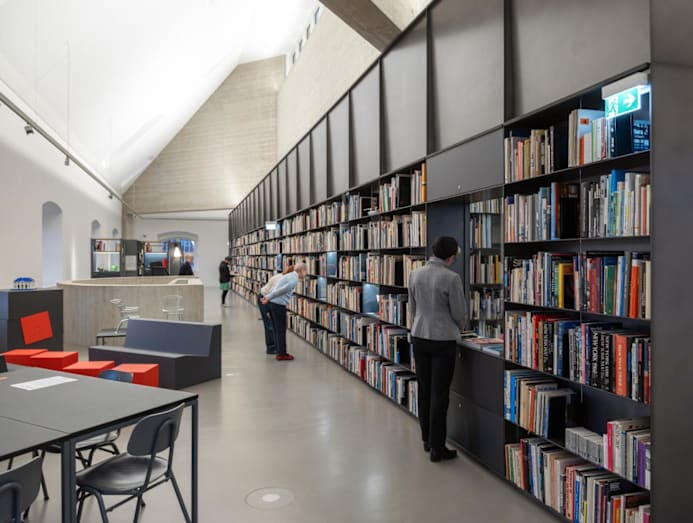
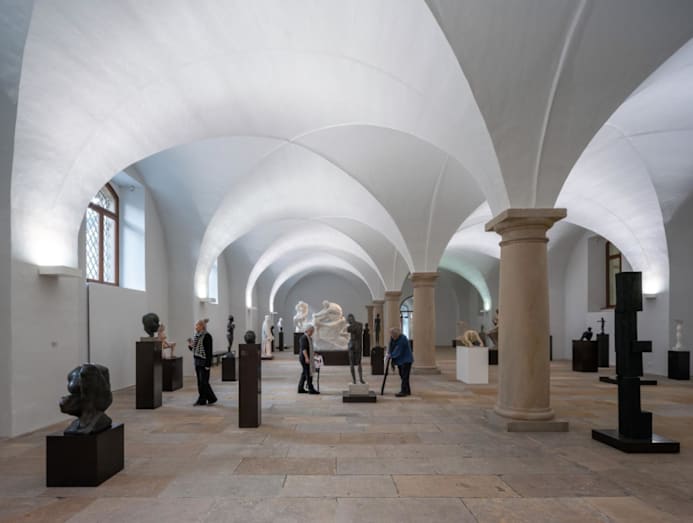
While many of the city’s most famous cultural institutions are found in and around the Altstadt, or Old Town, south of the Elbe River, last year saw the arrival of Archiv der Avantgarden — Egidio Marzona in a glorious Baroque building in Neustadt, or New Town, on the river’s north side. Named the country’s museum of the year by German members of the International Association of Art Critics in January, this massive trove of art and documentation functions as both an atmospheric exhibition space and an academic research centre, focusing on Surrealism, Constructivism and other 20th-century avant-garde art movements. Many locals remember the building as the former home of the Society for German-Soviet Friendship during the German Democratic Republic. Admission, €5 (S$7.50), or about US$5.80.
7.30pm | Win big at supper
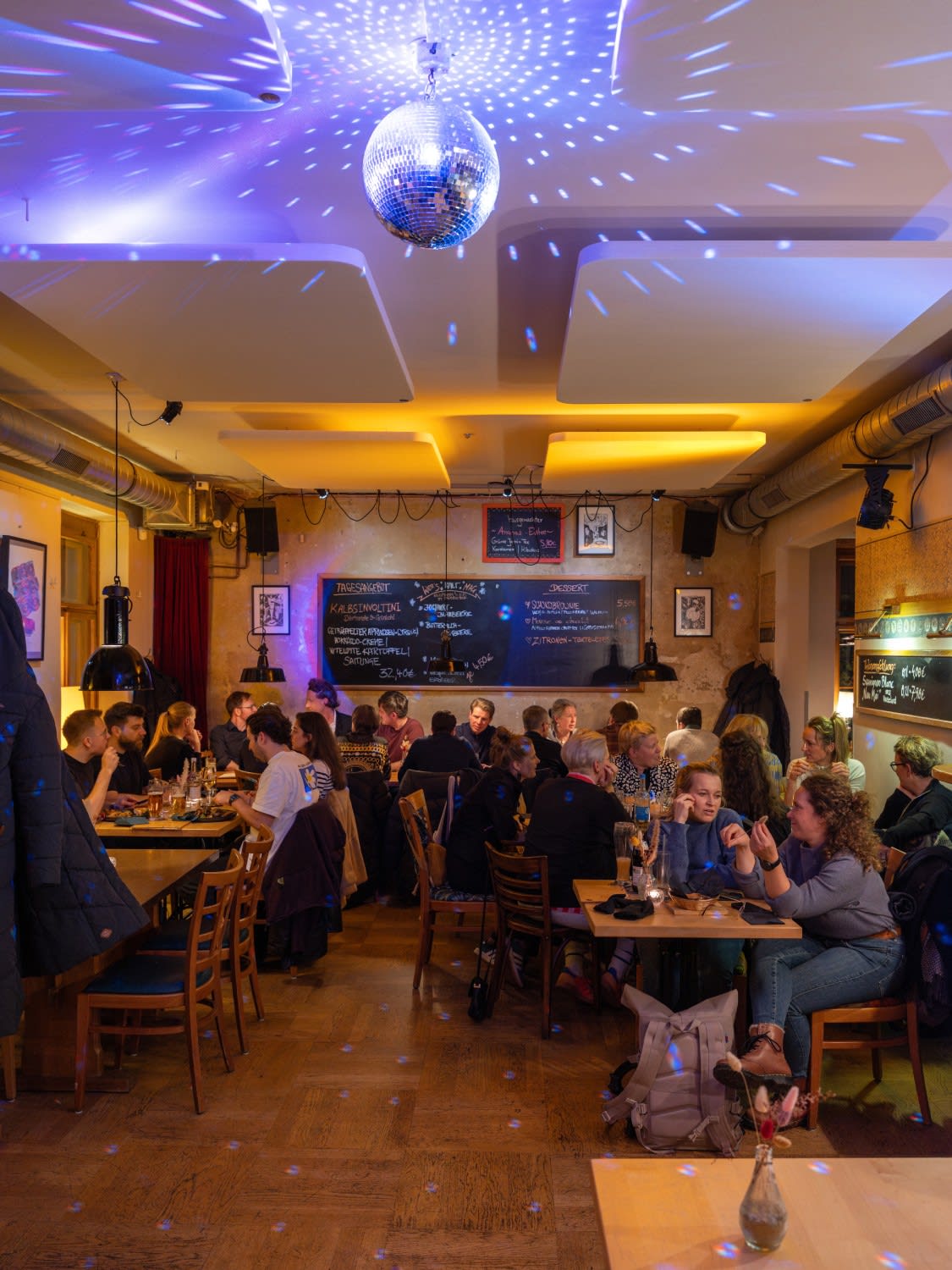
Home to much of Dresden’s alternative and underground culture, Neustadt is filled with repurposed spaces taken over by artistic and creative types, like the cosy restaurant known as Altes Wettbüro, or the Old Betting-Office, inside a historic villa on Antonstrasse, a busy street running between the Neustadt train station and Albertplatz, a central traffic hub. The menu changes frequently, though veggies lead in dishes like the house salad with endive, radicchio, chickpeas, bulgur and lentils, topped with melted goat cheese (€15.90), while hearty traditional recipes like venison goulash with house-made hazelnut spätzle noodles (€24.90) feel updated and refined. Occasional indie, folk and alternative hip-hop concerts make “Wetti,” as it is affectionately known, a good bet for an entire evening of fun.
SATURDAY
9.30am | Dig for treasure
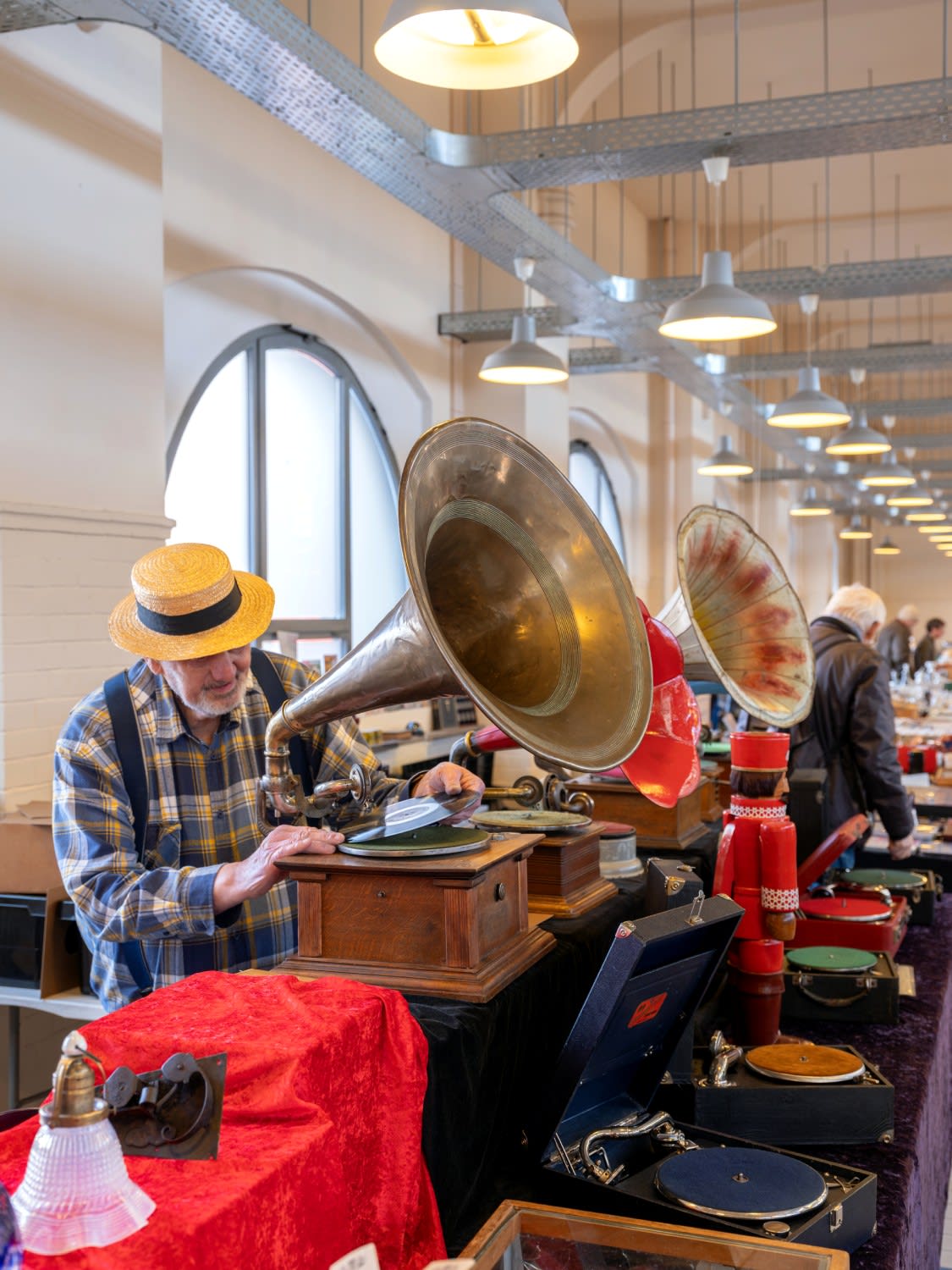
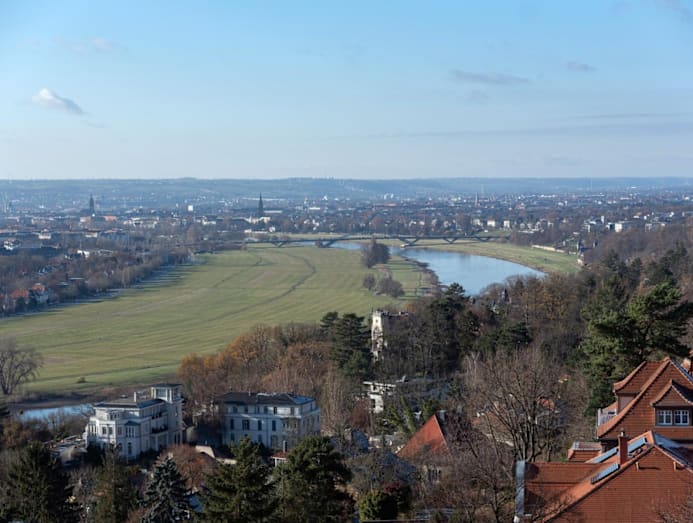
Dresdners make good use of the Elbe waterfront year-round for promenades, running and biking, especially on the wide green spaces around the Japanisches Palais. Once you get your steps in, check out the city’s excellent Flohmarkt, or flea market. It convenes inside the historic Neustadter Markthalle covered market, from 1899, during the winter months, before switching to an outdoor market at Kathe-Kollwitz-Ufer on the Altstadt side from March through November. After looking through the old books, vintage clothing and bric-a-brac, fortify yourself at the popular cafe Emils 1910, where the house breakfast includes rolls, jam, several types of cheese, ham, sausage and an organic soft-boiled egg (€11.50).
10am | Go gallery-hopping
You’ll find a number of great independent art galleries near Neustadter Markthalle, like Galerie Ines Schulz, which represents established local and regional artists, with frequently changing exhibitions. A few steps away you’ll find Galerie Flox, which primarily showcases realistic painting and graphic art, while nearby Galerie Finckenstein focuses on painters from the 1920s and 1930s. (If your schedule allows, consider coming back later to check out the modern photography at Galerie Gebr. Lehmann, which opens from noon to 4pm, with the same schedule at neighbouring Kunstverein Dresden, which promotes emerging artists, while the next-door Galerie Stephanie Kelly, home to painting and conceptual art, opens at 1pm).
11.30am | Shop for something special
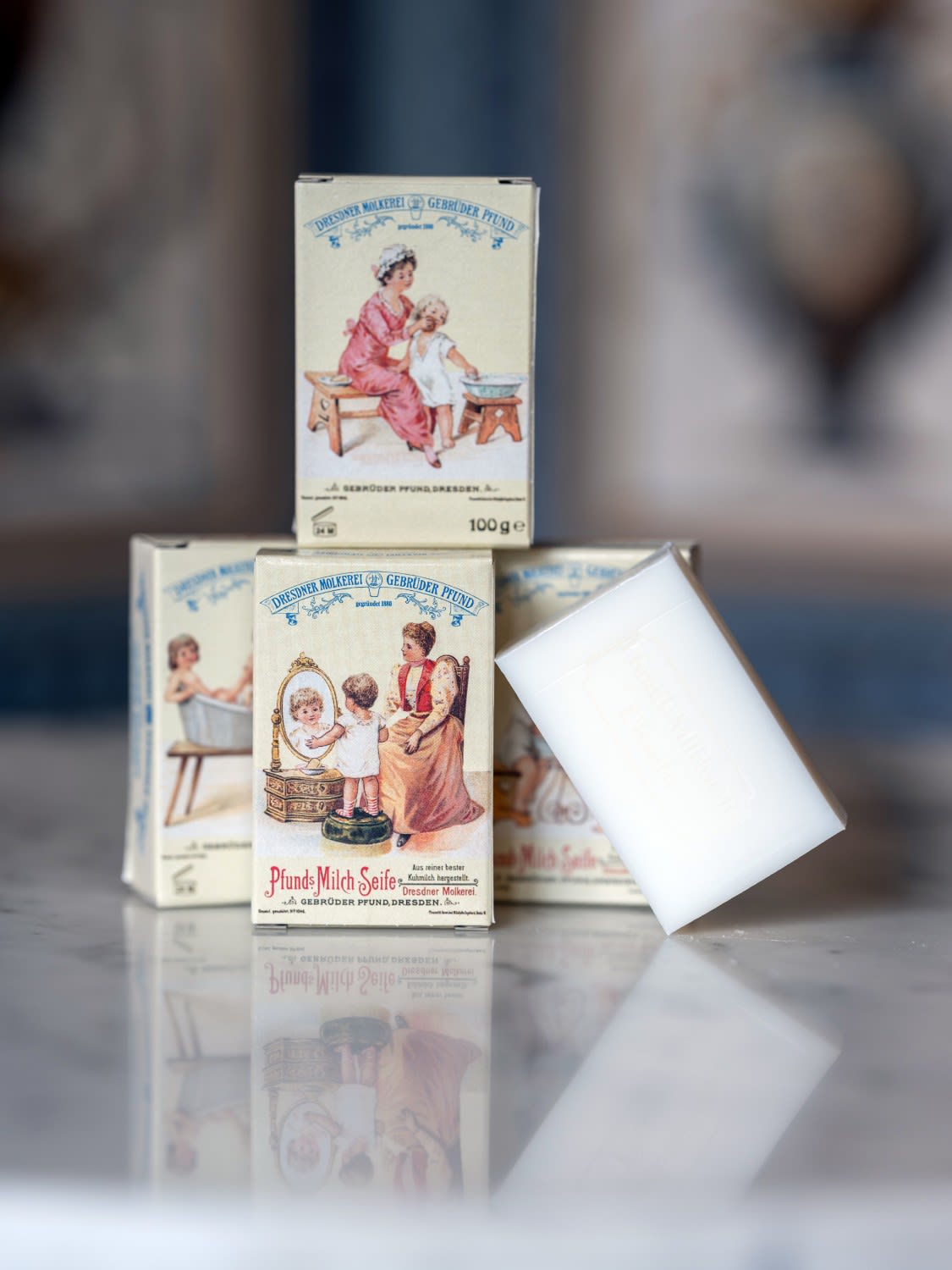
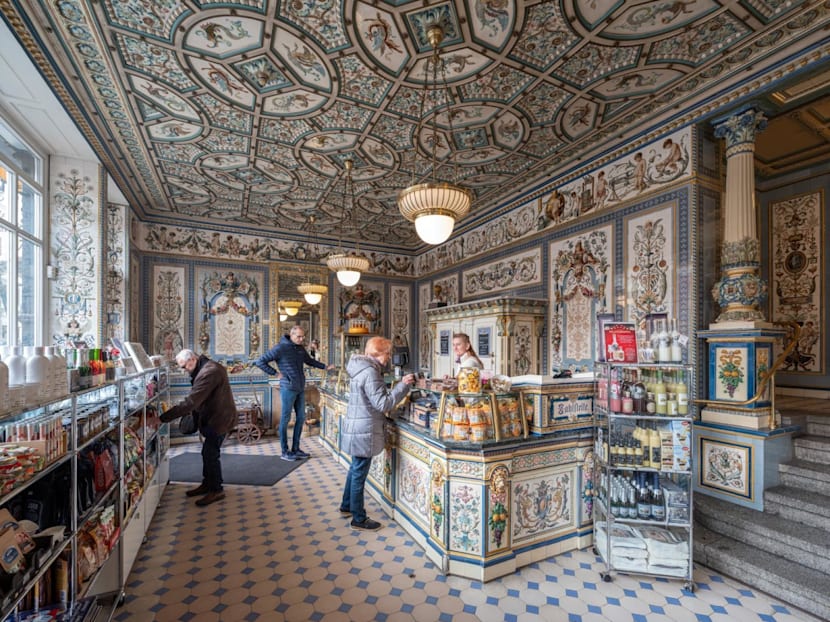
Before exploring the many cool boutiques in Aussere (“outer”) Neustadt, pick up a high-grade flat white at Lucky Cat Coffee Roasters (€4.60) and walk 10 minutes to the Spot for streetwear from indie brands, including Par sneakers from the Czech Republic (around €200). Nearby, the long-running Zentralohrgan stocks cult vinyl records. You’ll find unique neckties (€5) and old Homburg hats (€30) at Chicsaal, one of the area’s many vintage clothing stores, while a stop at the specialty tea shop Teerausch will give you an excuse to visit the oddball architectural Kunsthof Passage, fashioned out of the courtyards of several 19th-century apartment buildings. Lastly, buy a bag of stollen-style cookies (€4.50) at Pfunds Molkerei, a cheese and dairy shop since 1892, whose stunning, tile-covered interior appeared in the 2014 film The Grand Budapest Hotel.
1pm | Reassess military history
For the 2011 opening of the Museum of Military History, housed in a 19th-century armoury, the architect Daniel Libeskind added a five-storey wedge of glass, steel and concrete as an extension that resembles a massive, postmodern arrowhead shot through the building’s neo-Classical facade. Because the location had previously been used for propaganda — first by the Nazis, followed by the G.D.R. — the new museum was said to be designed to address history more truthfully, by showing how warfare affects human civilisation. The platform on the top floor offers stunning views over the city skyline, and a good place to collect your thoughts after viewing the well-conceived exhibits on topics like army-inspired fashion, war as the subject of fine art, and militaristic children’s toys. Admission, €5.
2.30pm | Take the funicular to a late lunch
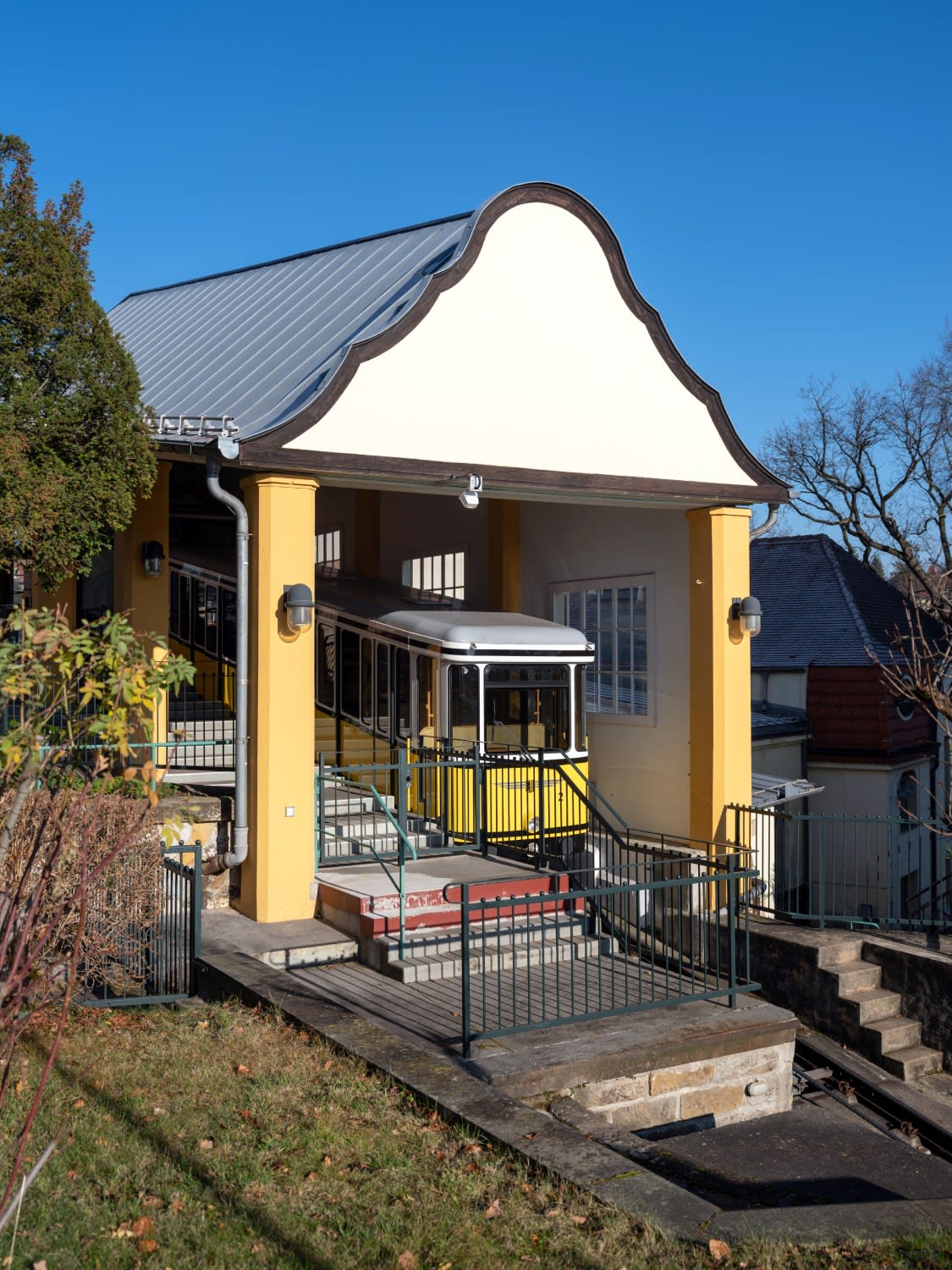
For 130 years, the city’s funicular railway has been a popular ride, offering great views over the Elbe River Valley. (It takes off from the Kornerplatz square near the eastern end of the beloved Loschwitz Bridge, long known by locals as Blaues Wunder, or “the Blue Wonder;” single ticket, €5). At the very top, you’ll find Luisenhof, a popular, panoramic restaurant that serves classic Saxon recipes like sauerbraten, a beef roast in a thick, wine-and-vinegar sauce, accompanied by hearty potato dumplings and red cabbage (€21). Work off some of the calories by wandering through the surrounding streets while admiring the Weisser Hirsch neighbourhood’s stately, century-old villas.
4.30pm | Visit a Stasi prison
Learn about the fall of East Germany in late 1989, known as die Friedliche Revolution, or the Peaceful Revolution, as well as what happened in the years before it, at the Bautzner Strasse Dresden Memorial, housed in a former prison once run by the Stasi, the East German secret police. Fair warning: The excellent English-language audio guide, which puts visitors in the role of a recent arrestee, can be rather harrowing, as are the prison cells and interrogation rooms. Don’t miss the photographs of young Vladimir Putin in the building’s largest hall, which date from the future Russian president’s time working as a local K.G.B. agent, when he was based out of a villa just across the street. Admission, €8.
7pm | Dine with the family
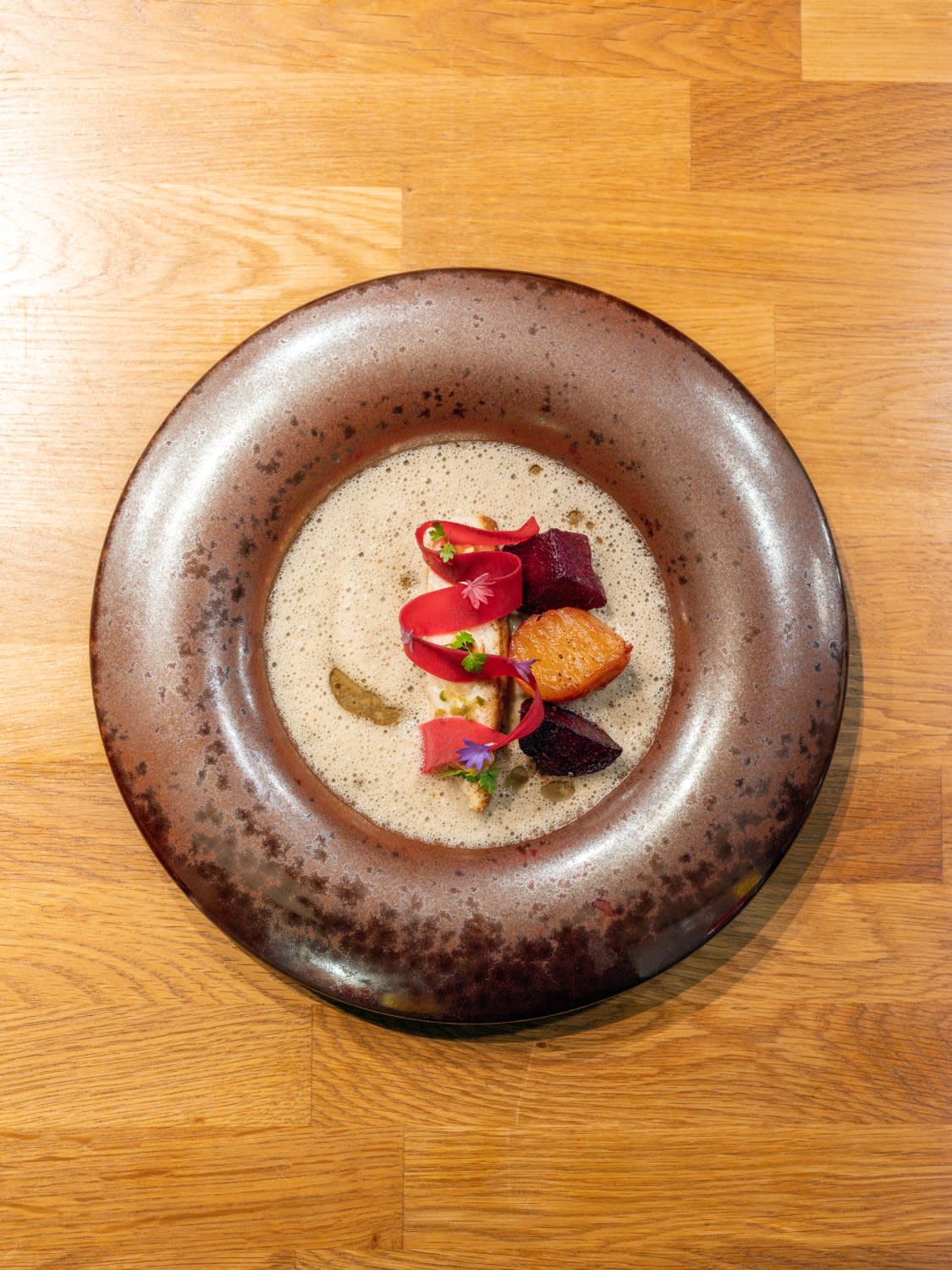
In 2020, the fourth-generation owner Martin Walther took over his parents’ old-school German-Polish dance hall and cafe-restaurant Heiderand in the outer Buhlau district. This year, the restaurant won a Michelin star for its updated menu of accomplished modern continental fare, offering classic appetisers like vitello tonnato, slices of veal in an umami-rich tuna sauce (€15), backed up by hearty mains like seared arctic char with matchstick kohlrabi in a creamy, gingery glaze (€26). In a very “Dresden” touch, the restaurant remains quite casual and relatively affordable, despite the recognition, with pierogies still making an appearance on the multi-course tasting menus (four courses, €100; five courses, €115), while the location — a grand villa from 1904 — still feels very much like a family home.
9.30pm | Converse over cocktails
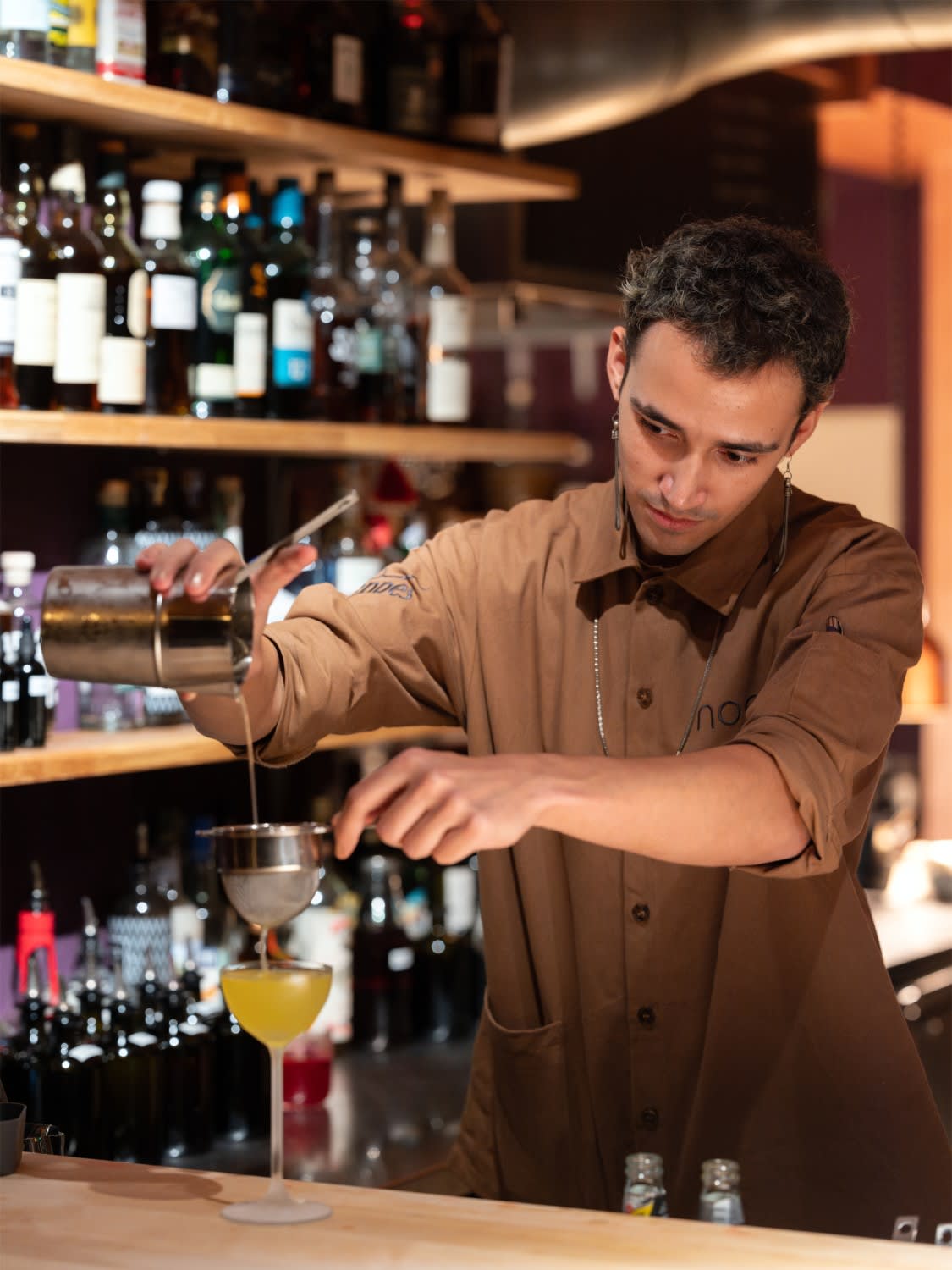
When it comes to cocktails in party-friendly Neustadt, the new favourite is the recently opened Nook - Sips in a Kitchen. One of its cocktails, the Savage, uses Japanese whisky, buckwheat and an infusion of bay leaves from its own garden to create an unexpectedly flavourful variation on the old-fashioned (€15). There are also outstanding tapas-styles dishes. Around the corner is the tiny Juri, a neighbourhood hangout serving excellent Negronis made with Germany’s Hasebrink Royal’s gin (€10). In the inner Neustadt, white-coated servers at Herz American Bar offer classic cocktails as well as their own inventions, like the Greatest Adventure, a Laphroaig-and-Jagermeister melange that somehow works (€13), while also pairing surprisingly well with the bar’s complimentary curry-spiced popcorn.
WHERE TO STAY
In a former palace built in 1705 as a gift from Augustus II, Elector of Saxony, to his mistress Anna Constantia, the 211-room Hotel Taschenbergpalais Kempinski Dresden reopened after an extensive reconstruction in 2024. Rooms start at around €250, or $290.
In the heart of Neustadt’s Baroque Quarter, close to many of the city’s leading art galleries, the Hotel BUlow Palais has 58 elegant, classically designed rooms and suites. Rooms start at around €175.
The five-star Hotel Suitess has 78 rooms, suites and apartments in the heart of the historic Altstadt neighbourhood, close to the Semperoper, the Frauenkirche (the grand Baroque church destroyed during the Allied firebombing in World War II, and restored in 2005) and other attractions. Rooms start at €90.
Short-term rentals aren’t as prevalent in Dresden as they are in other cities. Some booking apps list small apartments in the Dresden Mitte neighborhood and in outer parts of Neustadt, starting around €75.
SUNDAY
9am | Breakfast with champions
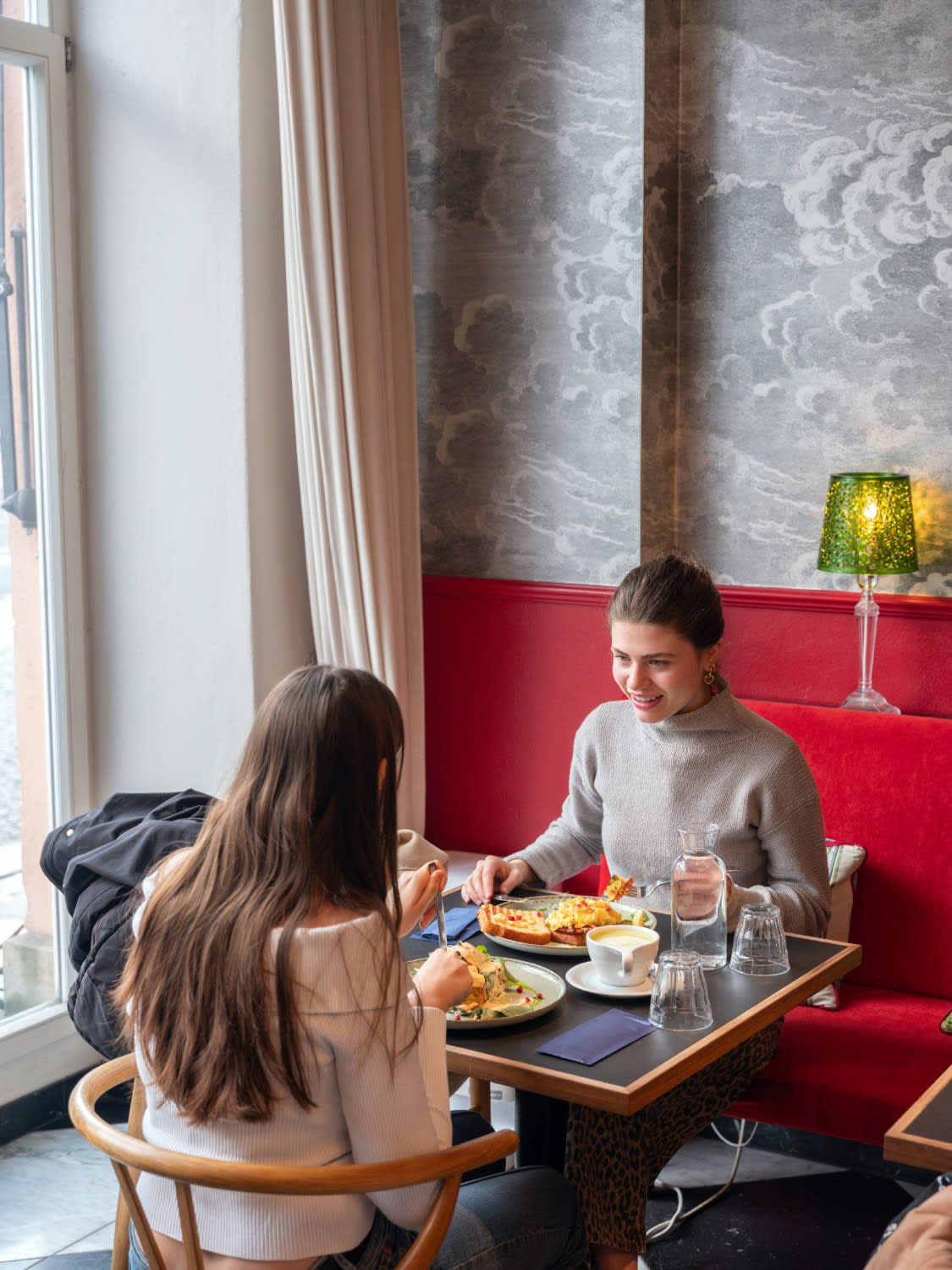
Weekend brunch is a popular time for socialising in Neustadt, especially at the sunny and airy Oswaldz Breakfast Place, which doesn’t take reservations, meaning there’s almost always a line down the sidewalk when the doors open at 9am. Fans of the cafe’s excellent eggs Benedict — served on a house-made brioche bun and topped with sprouts and micro-greens (€13.50) — will tell you it’s worth the early wakeup, as are the almond-miso pancakes (€13.50) and peppery shakshuka (€12.90).
11am | Make like a marionette
The Puppet Theater Museum, one of the world’s largest puppet collections, settled into a permanent home in late 2024, taking up space at Kraftwerk Mitte, a former combined heat and power plant that reopened after years of neglect as a new cultural centre just outside the historic Altstadt. The collection contains puppets and marionettes in all sizes from all over the world, as well as small theatres, art and assorted paraphernalia. The interactive, English-language paper guide — which puts visitors in the role of would-be researchers, tasked with figuring out and writing down details about the puppets — can be a bit hard to follow, but the assortment of colourful faces and figurines should delight (and quite possibly frighten) kids and adults equally. Admission, €7.
12pm | Spend time with masterpieces
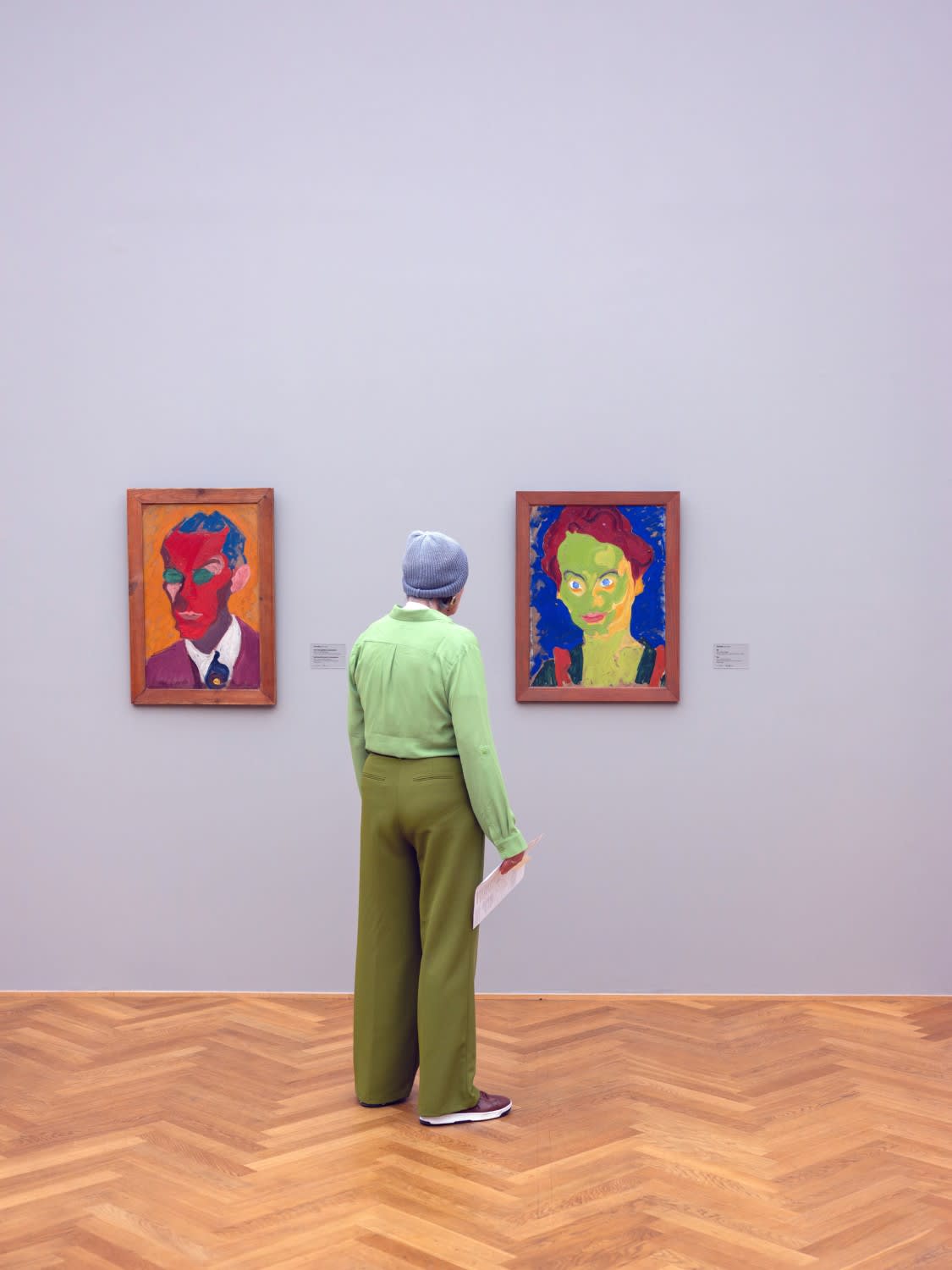
Just a short walk from the Altmarkt square, home of the city’s main Christmas market (the nearly 600-year-old Striezelmarkt), you’ll find the excellent Albertinum art museum. Housed in a sprawling Renaissance Revival palace from 1887, the collection highlights the last two and a half centuries of European art, including a baker’s dozen of Romantic paintings from the local luminary Caspar David Friedrich, as well as work from Ernst Ludwig Kirchner and other members of the internationally significant, Dresden-founded Expressionist group Die Brücke. There are also masterpieces from Degas, Monet, Picasso and Toulouse-Lautrec, among others. Admission, €14.
By Evan Rail © The New York Times.
This article originally appeared in The New York Times.