A weekend in Chiang Mai, Thailand: Things to do, eat and see
From centuries-old stupas and soulful jazz sessions to markets bursting with creative energy, discover how Chiang Mai rewards those who embrace its unhurried rhythm.
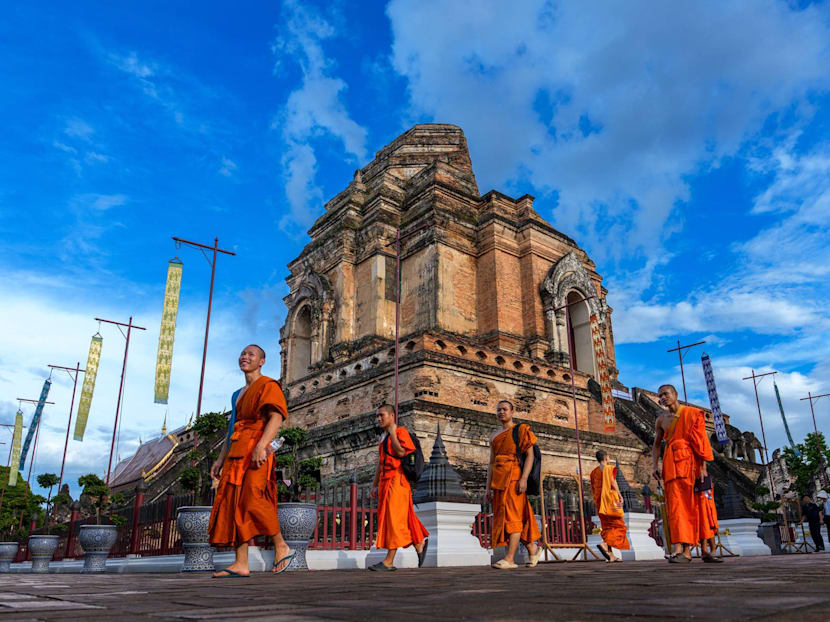
Wat Chedi Luang. (Photo: Chang W Lee/The New York Times)
The tranquillity of Chiang Mai, a northern Thai city set between mountains and the Ping River, is a welcome switch from the hectic crush of Bangkok. Once a hub for caravans traversing trade routes, Chiang Mai, with its square-mile Old City rich with ancient Buddhist temples, is still a magnet for travellers, especially those seeking enlightenment through meditation and singing-bowl sessions. Even as the city expands, bringing malls, condo towers and congested ring roads, its allure remains in the unhurried, tolerant attitudes of the people. Adding to its draws are a growing roster of excellent budget and Michelin-acclaimed restaurants serving the region’s fiery, fresh cuisine; handicraft and art markets; and a prolific jazz and live-music scene.
FRIDAY
4pm | Go temple gazing
Within the moat surrounding the Old City is a bounty of elaborate Buddhist temples, many built by kings in the 13th to 16th centuries. Orange-robed monks chant at dusk, locals kneel before gleaming Buddhas and stone elephants emerge from dome-like structures called stupas, which often contain relics. The temples are both religious and community centres, and you can even find a hard-press Thai massage or a hand-poked Buddhist mantra tattoo. At Wat Chedi Luang, take a tranquil evening stroll around the city’s biggest stupa. Construction of the brick-and-stone colossus was completed in the 15th century, and it rose to about 25 stories before an earthquake in 1545 toppled much of it. It’s still a magnificent site, and ideal for a walking meditation in the soft breeze. Admission, 50 baht, or about US$1.50 (S$2).
7pm | Ascend to spiritual jazz
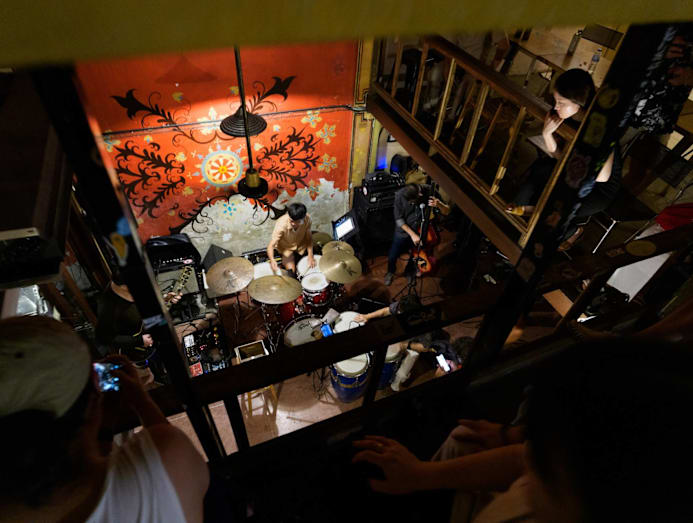
Nightly high-energy, fast-paced jazz (with no cover charge) draws young audiences of up to a couple of hundred to North Gate Jazz Co-op, jamming the sidewalk in front of the club’s four-story wooden building. Catch the first session at 7.30pm in the Arkive, a top-floor enclave of improvisational jazz with a seven-seat bar and pitched rafters. Pharadon Phonamnuai, who goes by Por and started the club in 2007 with other admirers of the cosmic jazz icon Sun Ra, often joins in for a number with his roaring sax. Arrive early to get a seat, and try the North Gate Shochu, a distilled rice spirit, on the rocks (150 baht).
9pm | Pair wine with Burmese fare
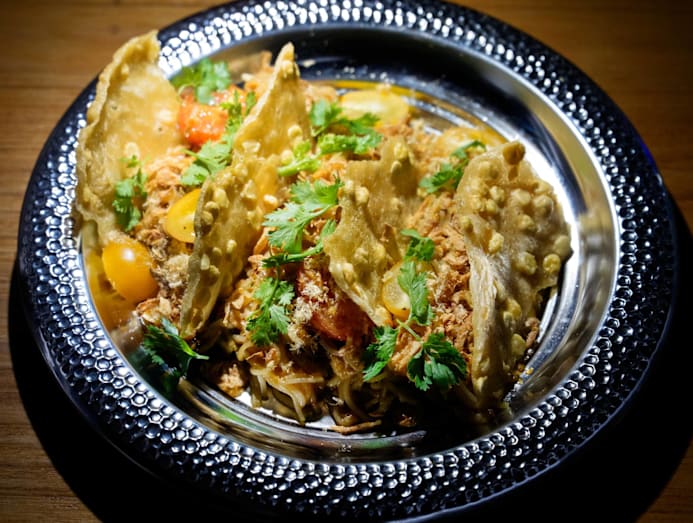
Like many young creatives from war-racked Myanmar, some of the staff at And Then restaurant moved to Chiang Mai after a military junta that seized power in 2021. Led by a chef who is classically trained in French cuisine, the restaurant offers an international take on Burmese staples, alongside a wide selection of natural wines. Traditional pork belly is made crispy tender with a long process of boiling, roasting, air drying and frying, then complemented with a mole of fermented black beans and chocolate, and pickled daikon (169 baht). And don’t miss her version of the Burmese national dish of mohinga, served as a noodle and pulverized-catfish salad instead of a fish soup (180 baht).
WHERE TO STAY
- Built around a 19th-century teak house perched on 137 pillars that once housed a lumber company office, the 137 Pillars House is a landscaped tropical enclave of 30 spacious and gorgeously appointed suites built in the British colonial style near the Ping River. The 750-sq-ft Rajah Brooke Suites feature tiled verandas with daybeds and indoor and outdoor garden showers and start at 22,500 baht, or US$685, including breakfast and discounted spa treatments.
- From the outside and the lobby, the Phor Liang Meun Terracotta Arts Hotel appears to be a historic property with ancient carvings on the walls. But it was built in 2015 by the owners of a terra-cotta factory and adorned with high-relief clay sculptures, including a towering wall mural in the lobby with mythical creatures and elephants. Some rooms feature wooden ceilings with terra-cotta panels above the headboards and balconies overlooking a neighbourhood market. Rooms start at 3,800 baht.
- On the edge of the busy Nimman area across from the Maya mall, the Eastin Tan Hotel is a modern 128-room midrise with comfortable beds and a bountiful breakfast buffet. Ask for a room on the mountain side for a stunning view and to avoid the commotion and music at the night market on the intersection. Rooms start at 2,400 baht.
- For short-term rentals, the areas in and around the Old City and Nimman offer a range of apartments and condominiums for less than 1,600 baht a night.
SATURDAY
9am | Meander through a market
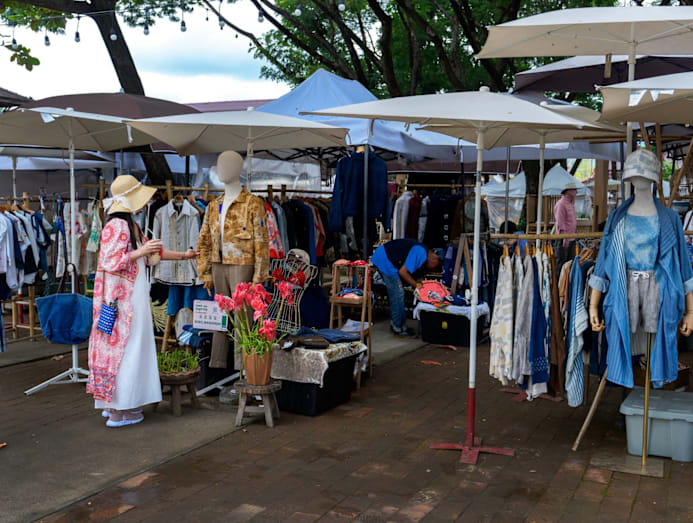
Chiang Mai’s creative side is on display every weekend in its markets. Jing Jai Market offers a well-designed circuit of shaded stalls and tasteful boutiques. At the orderly food pavilion, stop for fried quail eggs with spicy mushrooms and edible-flower salad (each about 30 or 40 baht). Locate Boro-Wanderers stall to behold an assemblage of Japanese kimono pieces and handmade Thai fabric, used in a long indigo coat with tiger and dragon illustrations for 12,000 baht. At AKARA, you’ll see explosions of colours in flowing, hand-painted silk, linen and cotton dresses, like a stunning orange tie-dyed sleeveless dress for 5,500 baht. Finish up with a tap, tap, tap Toksen massage that chisels into muscles with a wooden wedge and mallet, 250 baht for 30 minutes.
11.45am | Treat yourself to a royal lunch
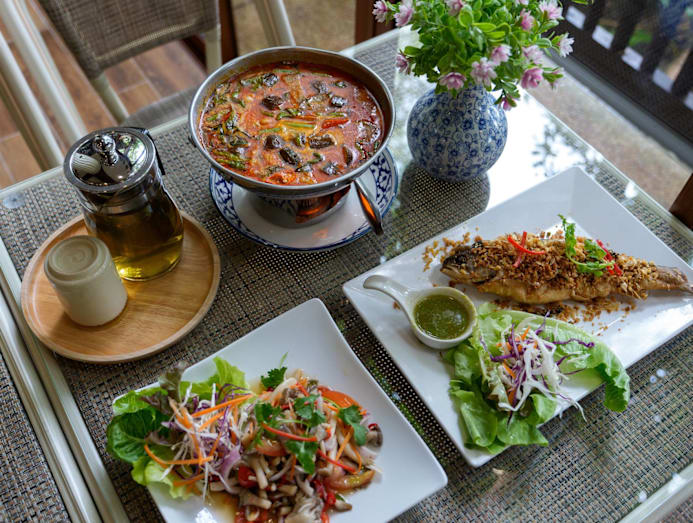
The city has a host of excellent vegetarian and vegan restaurants, including Pun Pun, Aum, Alchemy and Hummus. But why not opt for organic fare with a regal back story (and non-veg options) at the Royal Project Restaurant? The Thai king in the late 1960s created the Royal Project in part to help hill tribe communities replace opium crops with sustainable farming of produce, coffee and livestock. That led to the construction of a handful of restaurants in northern Thailand like this 20-year-old hidden delight near the Chiang Mai Zoo. Open for breakfast and lunch and frequented by well-dressed locals, the bright and minimalist space serves a lunch set of a delicious rainbow trout with a turmeric rice platter, with butterfly-pea iced tea (270 baht), and one of the best smoked-duck salads anywhere (200 baht).
1.30pm | Sip at an independent roaster
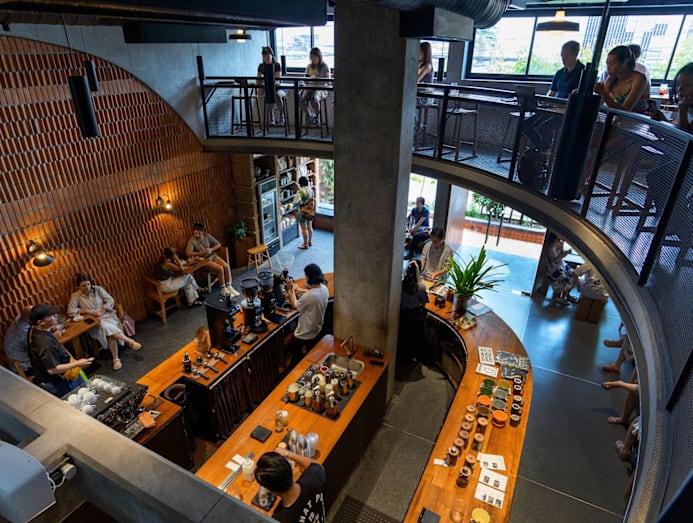
The peaks in the Chiang Mai region are ideal for growing arabica coffee. Try a cup of homegrown brew at a wide assortment of independent coffee roasters and cafes in the city. The coffee company Akha Ama is a pioneer among the growing number of partnerships between highland coffee-growing communities and local cafes. Its founder, Lee Ayu Chuepa, started brewing coffee in 2010 in the Old City with beans from his family farm in Chiang Rai, and now roasts, packages and serves coffee from nine farms with about two dozen employees at three Thai locations. Try an Americano (65 baht) at Akha Ama’s industrial chic cafe near Wat Phra Singh.
3pm | Get comfortable and shop for crafts
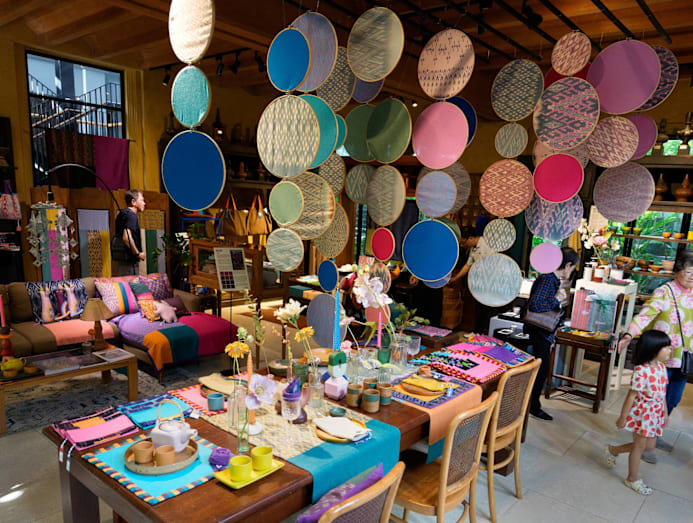
Kalm Village, an extraordinary arts, crafts and culture centre in the Old City since 2021, has the welcoming quality of a traditional northern Thai home. Its two garden courtyards are surrounded by two- and three-story buildings of reclaimed teak and grey brickwork in a pattern resembling a woven basket. They house a cafe, a restaurant and a library, and galleries with rotating exhibits and a permanent collection of ancestral textiles from northern Thailand and across Asia. There are also boutiques with handmade crafts like blue and yellow sorghum miniature brooms by the Thai brand Baan Boon (320 baht) and intricate silver jewellery by Miao people, a Chinese ethnic minority (earrings, 5,500 baht).
5.30pm | Toast the sunset
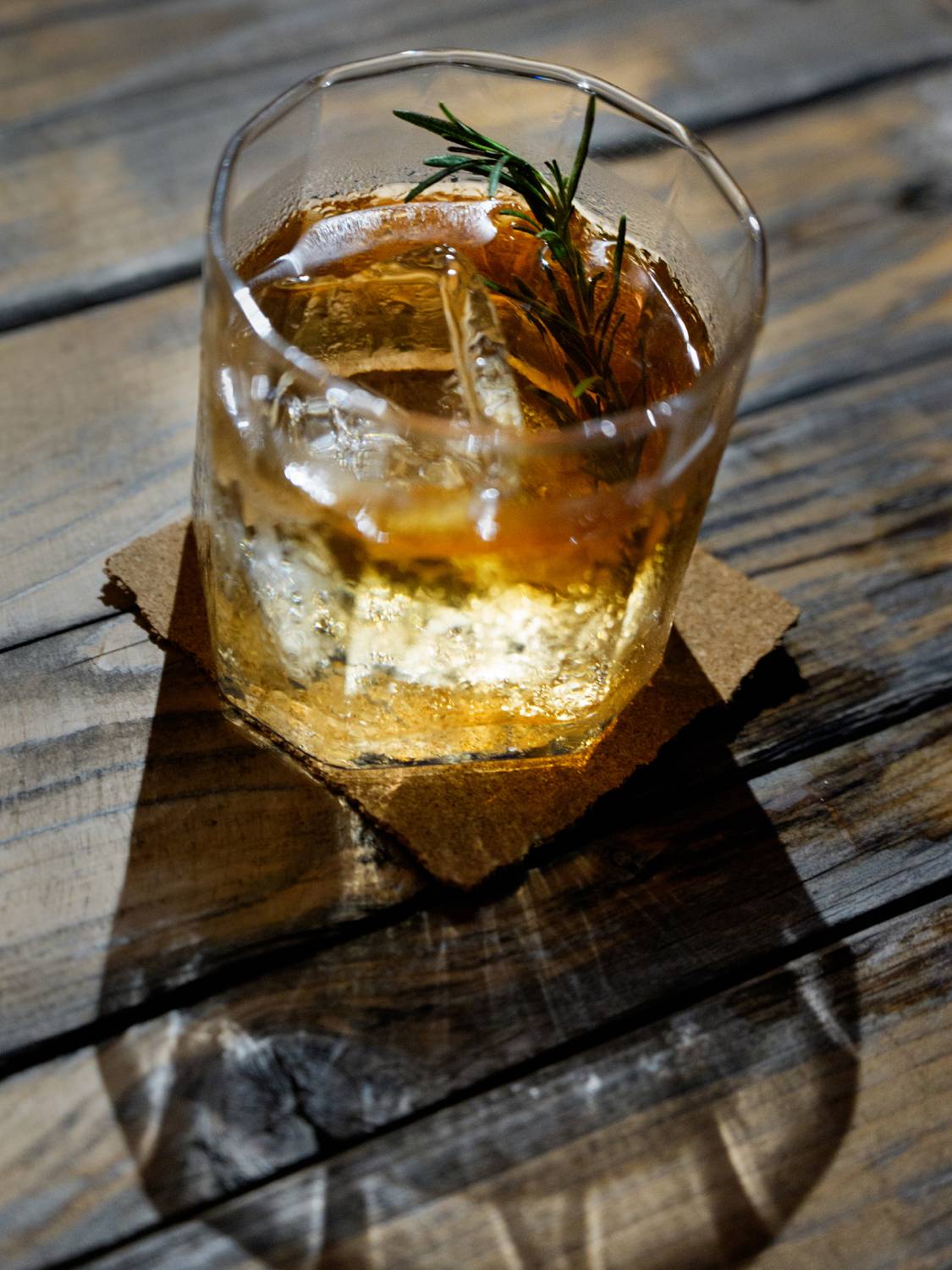
Check out the fast-growing hipster area of Nimman, a grid of a few dozen streets crammed with restaurants, bars, and boutiques. The rooftop bar at Hotel YaYee has one of the best sunset views of Doi Suthep, a mountain, as well as well-crafted cocktails (about 260 baht). Make your way over to One Nimman, a faux European town square with a clock tower, a food court and live music. On the periphery is a stylish night market with handmade clothing, jewellery and art like the fabulous dot-painted boxes and trays by the husband-and-wife duo at PN Painted Wood. Prices range from 650 baht for a tissue box to 2,500 baht for a four-level jewellery box.
7.30pm | Dine on sustainable seafood
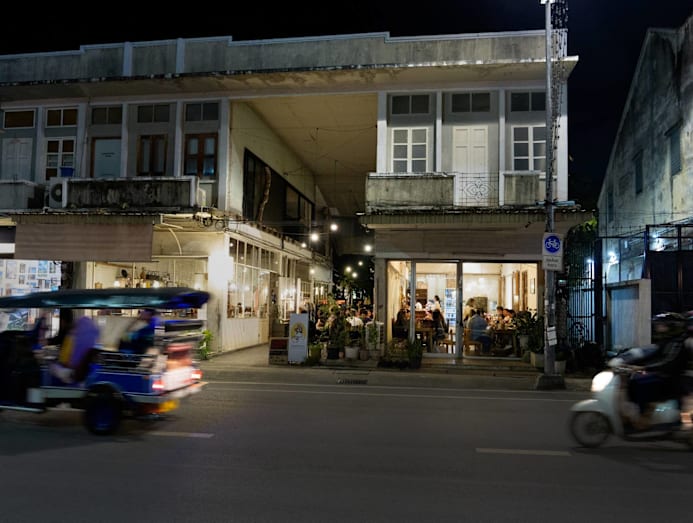
The one-page dinner menu changes daily at Maadae Slow Fish, reflecting the day’s catch. The chef, Yao Chookong, built relationships with a network of trusted fishermen during the pandemic, helping them deliver sustainable seafood to homes. She continued the partnership with them in opening the spartan, farmhouse-style restaurant in 2021. The charcoal-grilled fish of the day, which could be grouper or yellowtail fusilier, is delicious, as are the spicy king mackerel with coconut cream curry (360 baht) and the barracuda salad with avocado and passion fruit dressing (360 baht). Don’t miss the sweet fish jerky made with sardines, brown sugar and fish sauce (85 baht).
10pm | Groove with artists
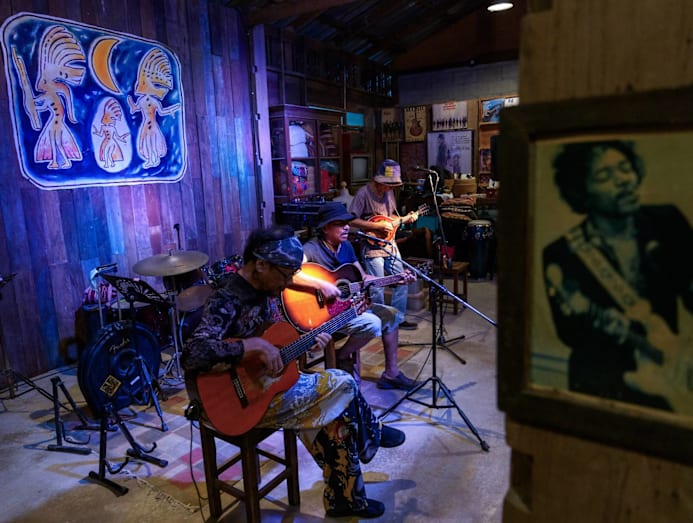
Sudsanan, in a wooden shack in an open field, is the perfect setting for Thai folk music. It’s popular with artists who convene at wooden picnic-style tables cluttered with bottles of Singha beer and white liquor and plates of spicy northern Thai traditional fare. The owner, the artist and poet Huag Aroon, started Sudsanan in 1998 as a place for artists to hang out and share original music, and you can sometimes find him sitting in on the bongos with a band. Try the slightly sweet and potent Sudsanan cocktail, with lime, strawberry, almond syrup and clear sticky-rice alcohol (180 baht). And if you’re still peckish, try the laab pork with mixed herbs (120 baht) or the spicy chicken and chives salad (120 baht).
SUNDAY
8.30am | Hike to a temple
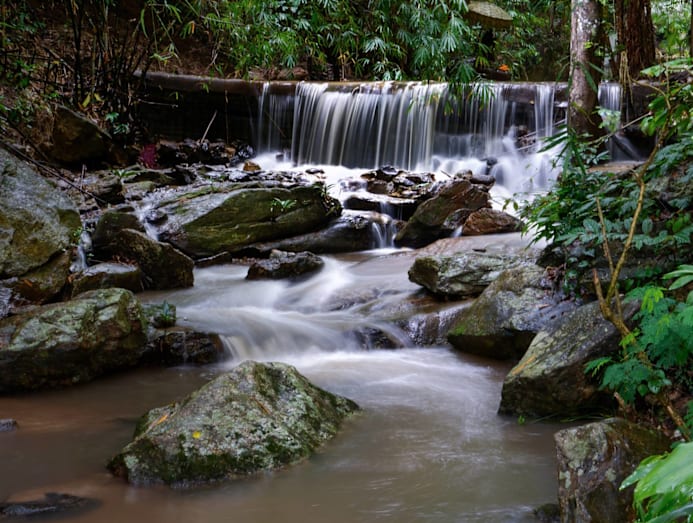
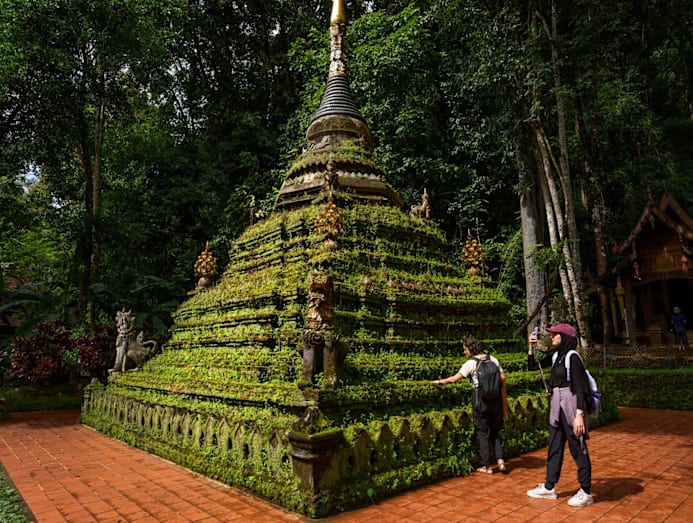
One of Chiang Mai’s most popular tourist attractions is its most important temple, the hilltop Wat Phra That Doi Suthep. Lesser known but worth a visit by foot is the forest temple of Wat Pha Lat, on the way up the same mountain, Doi Suthep. The starting point of what’s known as the Monk’s Trail leads to a shaded path that after a half-hour emerges onto a rocky stream. The peaceful setting unfolds with staircases guarded by four-armed deities, and a central three-story brick stupa surrounded by pagodas and shrines. Step shoeless onto the rattan mat of the meditation chapel with a large, seated Buddha and breathe in the moment, listening to birdsong through the carved wooden window screens.
11am | Make some art
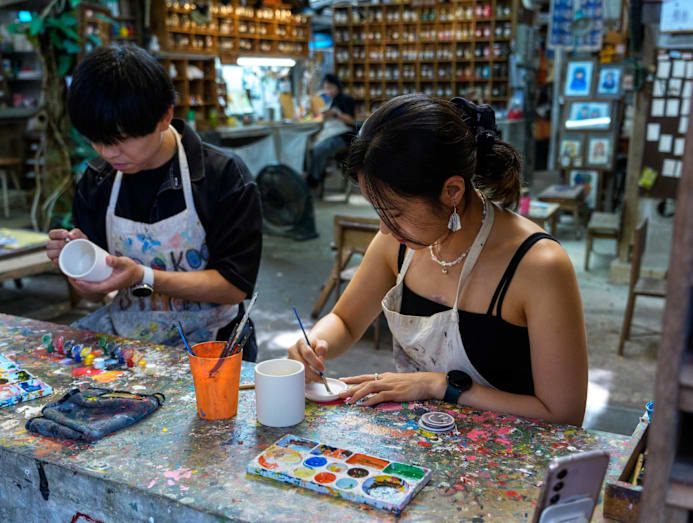
A decade ago, a small cooperative of artists turned their handful of houses and ceramics studios in Chiang Mai’s foothills into an art enclave called Baan Kang Wat, a 15-minute drive south of Wat Pha Lat. In the past few years, it’s grown into a labyrinth of workshops and boutiques, many that encourage visitors to make their own crafts. At BooKoo Studio, tourists and locals don aprons to build and paint wooden key chains (100 to 800 baht for a session), and the enclave’s leader, Nattawut Ruckprasit, paints watercolor portraits (each face takes an hour; a double portrait costs 2,960 baht). For lunch, find Yook Samai and its open kitchen with boiling cauldrons, run by traditionally dressed Hmong women, and order the khao soi, northern Thailand’s signature coconut curry noodle soup, with chicken or beef (150 to 180 baht).
By Patrick Scott © The New York Times.
This article originally appeared in The New York Times.