Fashion’s big swings, soft power and fuzzy toys: 2025 in review
From Labubus and a record-breaking Birkin to G-Dragon’s return to the global stage, here are the fashion forces that defined the year.
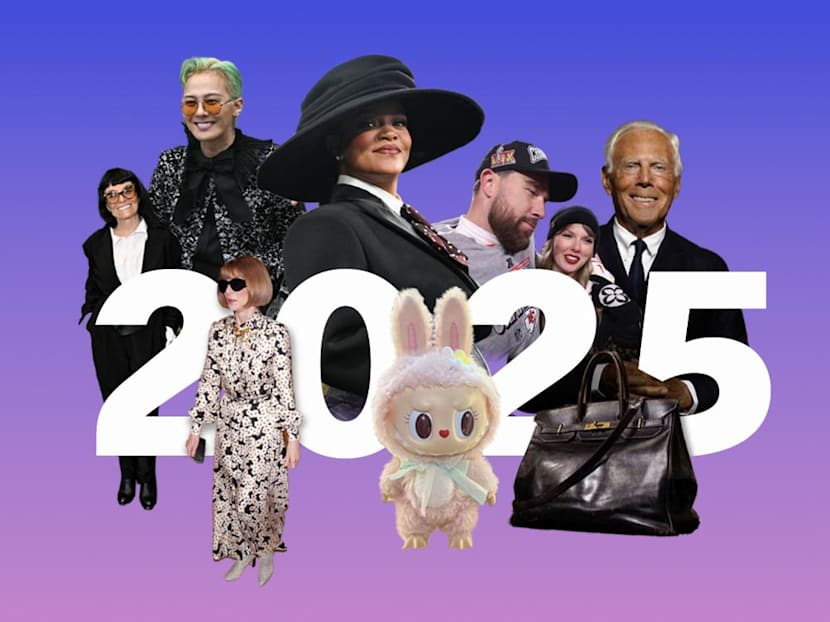
Quiet luxury took a backseat as charms, hats, celebrity weddings, and algorithmic trendmaking defined 2025’s most viral style moments. (Photos: AFP; Art: CNA/Jasper Loh)

This audio is generated by an AI tool.


As we close out another whirlwind year, 2025 will be remembered as the season fashion finally remembered joy and reclaimed its right to be excessive and absurd. From an unprecedented game of designer musical chairs to a collective obsession with fuzzy monsters dangling from thousand-dollar handbags, this year proved that fashion’s appetite for the unexpected remains insatiable. Here are the moments that shaped our wardrobes, dominated our feeds, and occasionally made us question our life choices.
LABUBU MANIA AND THE BAG CHARM RENAISSANCE
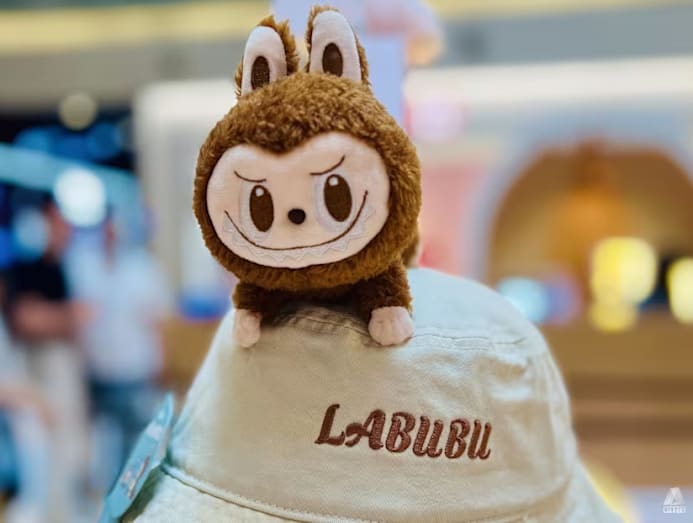
Who knew a mischievous elf with nine teeth would become this year’s ultimate status symbol? Created by Hong Kong artist Kasing Lung, these fuzzy Pop Mart collectibles infiltrated every corner of fashion consciousness. From Lisa of Blackpink to Rihanna, celebrities proudly displayed their elfin bag charms, turning what should have been a children’s toy into a marker of cultural fluency and insider access.
Once Labubu opened the floodgates, bag charms exploded across the luxury landscape. Bottega Veneta’s woven leather creatures, Burberry’s Thomas Bears, Loewe’s hedgehogs and elephants all competed for handbag real estate, signalling fashion’s pivot towards playful maximalism after years of quiet luxury restraint.
DESIGNERS, SO CONFUSING
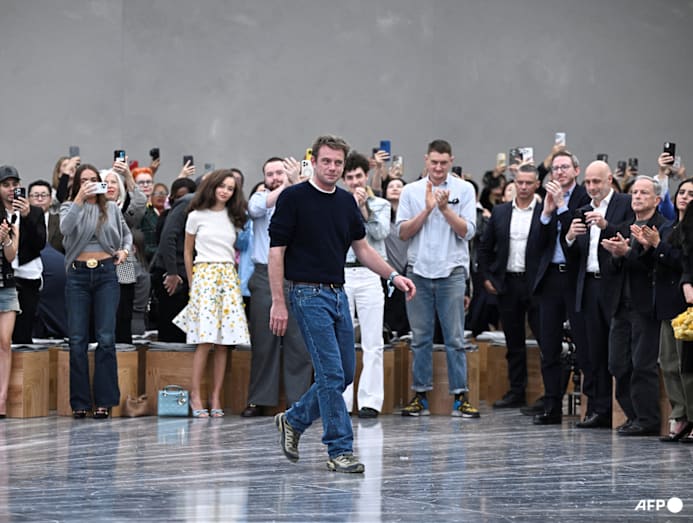
If Charli XCX taught us anything, it’s that sometimes you need to work it out on the remix. Fashion took that lesson to heart in 2025, engaging in an unprecedented game of creative director musical chairs that left even industry insiders scrambling.
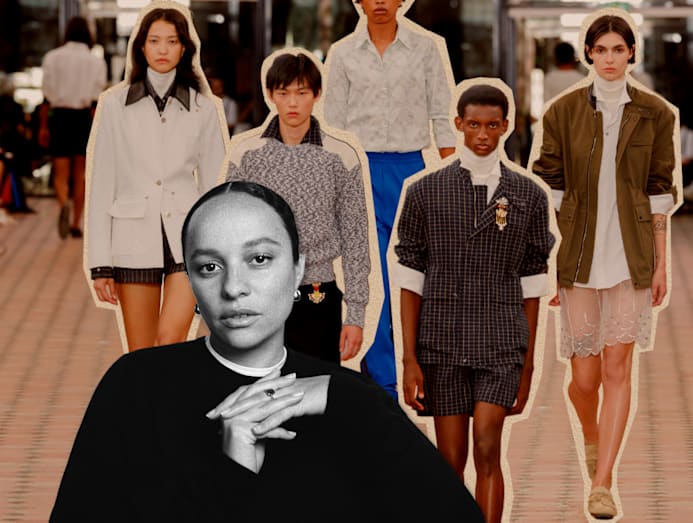
Matthieu Blazy’s move from Bottega Veneta to Chanel was perhaps the most seismic shift, while Jonathan Anderson’s departure from Loewe for Dior, Demna’s controversial shift from Balenciaga to Gucci, and Grace Wales Bonner taking the helm at Hermes’ menswear turned “who’s in, who’s out” into fashion’s favourite parlour game.
By year’s end, the question wasn’t just creative direction but stability. When Dario Vitale exited Versace after just one collection, the message was clear: job security in luxury fashion has become as elusive as a Himalaya Birkin.
THE MOST EXPENSIVE HANDBAG EVER SOLD
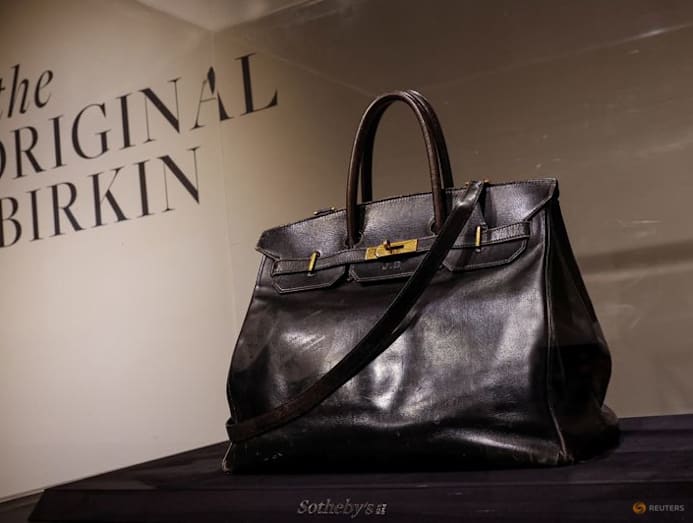
Speaking of Birkin, July ignited one of 2025’s most talked-about fashion moment: Jane Birkin’s original prototype bag was sold for €8.58 million (US$10.1 million; S$12.97 million) at a Sotheby’s auction in Paris, becoming the most expensive handbag ever sold. The winning bidder? Shinsuke Sakimoto, the CEO of Japanese luxury resale company Valuence.
Beneath the fanfare lurked familiar tensions. Hermes CEO Axel Dumas has grown increasingly vocal with resale, criticising “false customers” who buy Birkin bags to flip rather than cherish. Meanwhile, TikTok-viral Walmart “Wirkin” dupes and antitrust lawsuits challenging exclusivity have chipped away at the house’s once-impenetrable mystique.
Disgruntled collectors may flirt with alternatives, though none have quite matched the Birkin’s mythology. For now, it still reigns – though its crown feels noticeably heavier.
GRAZIE, GIORGIO
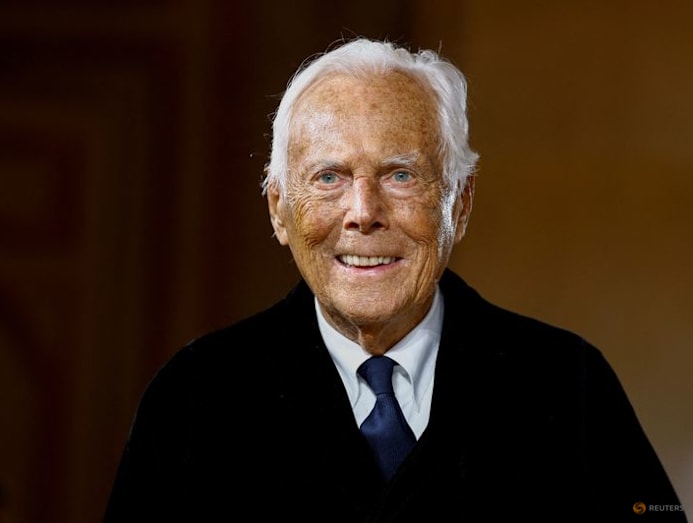
The fashion world lost one of its greatest icons when Giorgio Armani passed away in September at age 91. King Giorgio spent five decades building an empire on the principles of understated elegance, soft tailoring, and timeless sophistication – from dressing Richard Gere in American Gigolo to creating the power suit that revolutionised women’s workwear.
His death marked the end of an era: Armani was among the last designer-founders to remain sole shareholder of his company, resisting the conglomerate model that now defines luxury.
THE BUSINESS OF ROMANCE
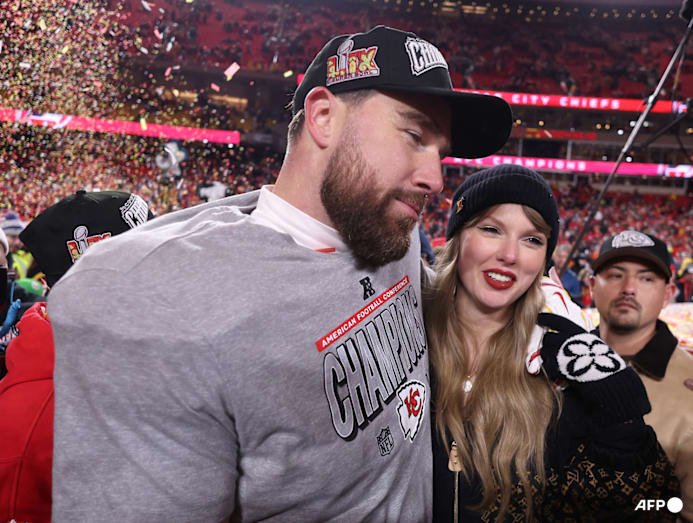
Power couples have always dominated headlines, but in 2025, weddings and engagements played an unusually active role in shaping fashion conversation. The Swift effect was especially potent. Taylor Swift and Travis Kelce’s engagement ring – a vintage-inspired design – reignited interest in heirloom-style diamonds, with searches for old mine cuts reportedly surging by nearly 10,000 percent overnight.
Meanwhile, Selena Gomez and Benny Blanco’s Santa Barbara wedding became the year’s most scrutinised fashion ceremony. Gomez wore three custom Ralph Lauren gowns, each dissected within minutes, proving that celebrity weddings remain fashion’s most reliable mass-reach runway.
(And yes, Jeff Bezos and Lauren Sanchez’s Venice wedding also made headlines for its couture spectacle, though its excess proved more polarising than aspirational.)
HE’S GOT THE POWER (THE POWER, POWER)
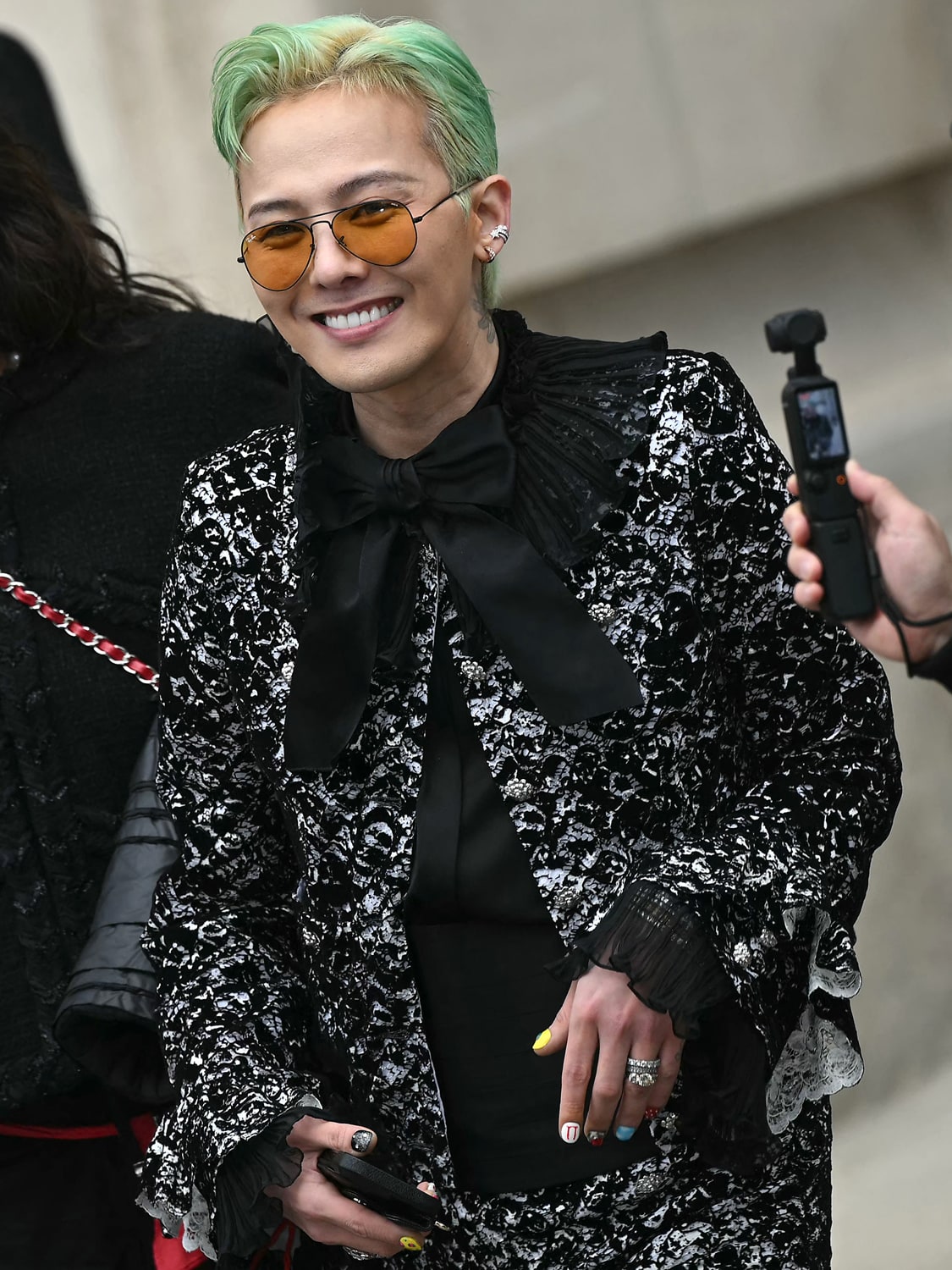
After years of relative quiet, G-Dragon returned with a big bang (sorry, not sorry). His third solo album Ubermensch, dropped in February after a 12-year hiatus, sold a million copies within weeks and anchored a sold-out world tour.
As a long-time Chanel ambassador, G-Dragon’s 2025 looks – tweed jackets, pearls, brooches and customised concert outfits – reaffirmed his singular authority. From performing at South Korea’s APEC 2025 summit in a traditional gat (bamboo hat) to starting TikTok trends with a babushka-style scarf, his influence felt effortless. Fittingly, he was the only K-pop star in Vogue’s Best Dressed list this year.
HATS OFF TO ABSURDITY
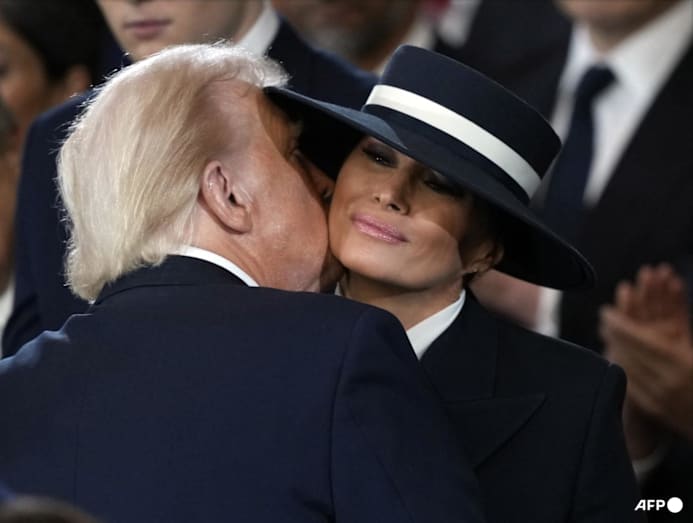
From Melania Trump's wide-brimmed navy boater at the presidential inauguration to Rihanna’s stunning Met Gala chapeau and Elphaba’s iconic witch’s hat, 2025 was the year of statement headwear.
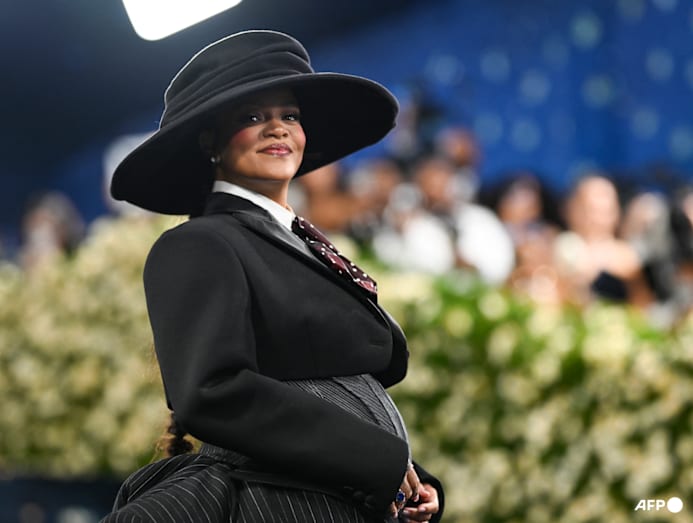
Melania’s Eric Javits hat sparked memes and serious discourse alike; the accessory that thwarted a public kiss was quickly read as a deliberate reclaiming of personal space. Rihanna’s Stephen Jones creation, worn with custom Marc Jacobs and timed to her baby bump reveal, turned a soft announcement into a declaration. On screen, costume designer Paul Tazewell exaggerated Elphaba’s brim as a visual shorthand for defiance.
ALL HAIL THE ALGORITHM
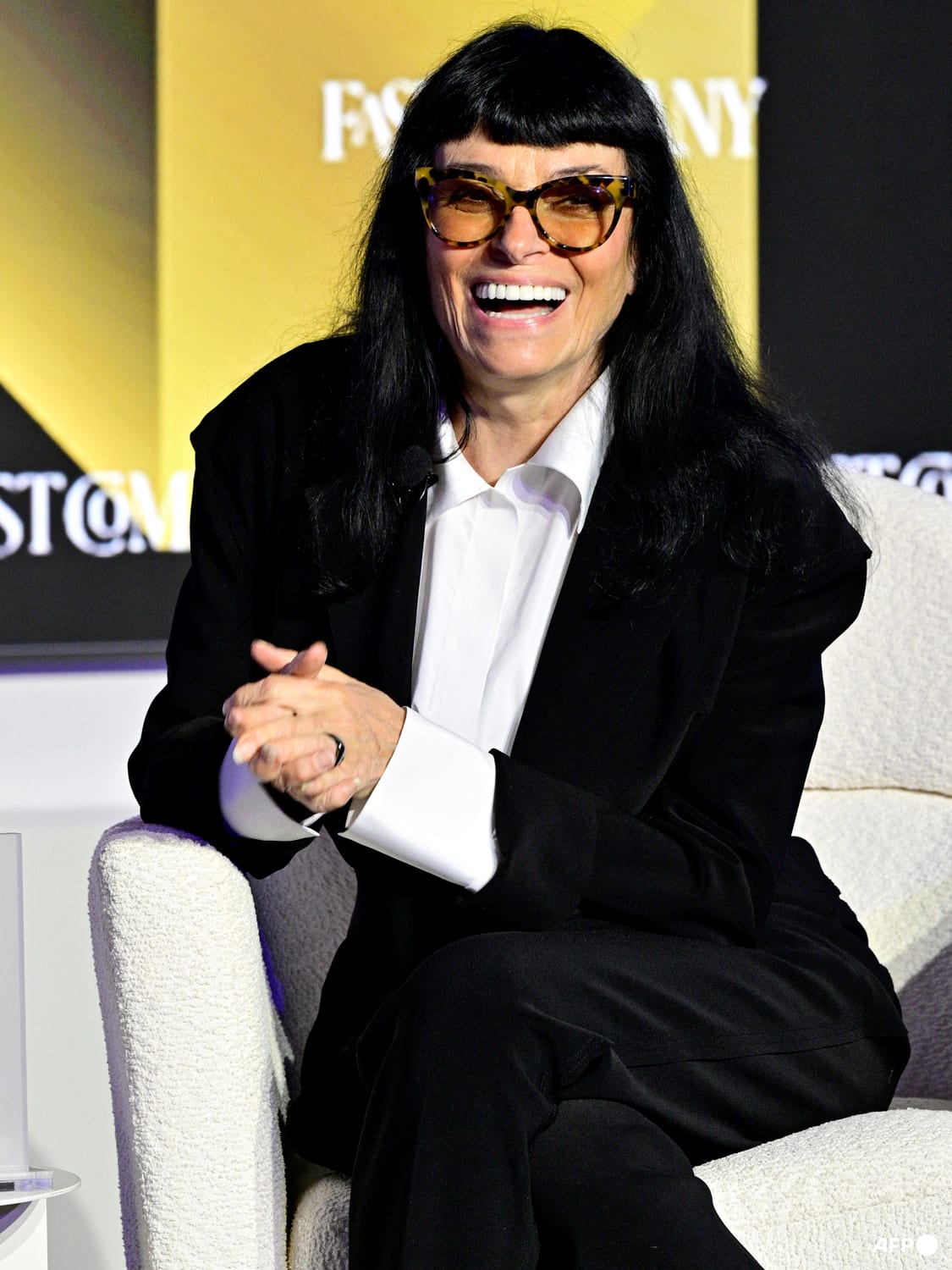
AI became more than a buzzword this year. From French company Heuritech accurately predicting runway trends to Zara’s AI-driven demand forecasting, algorithms began shaping what we wear long before it hit stores.
Its influence extended beyond logistics. American designer Norma Kamali trained an AI on her 57-year archive, while brands like H&M and Guess experimented with photorealistic campaign imagery. Concerns around bias, labour displacement and authorship soon followed, prompting early regulation like New York’s Fashion Workers Act.
For now, AI still feels supplementary rather than dominant. As Kamali notes, “AI doesn’t have a heartbeat. It can’t replace human passion.” But if 2025 was the year fashion got comfortable with algorithms behind the scenes, the years ahead will likely see them move closer to the spotlight.
ANNA LETS GO (A LITTLE)
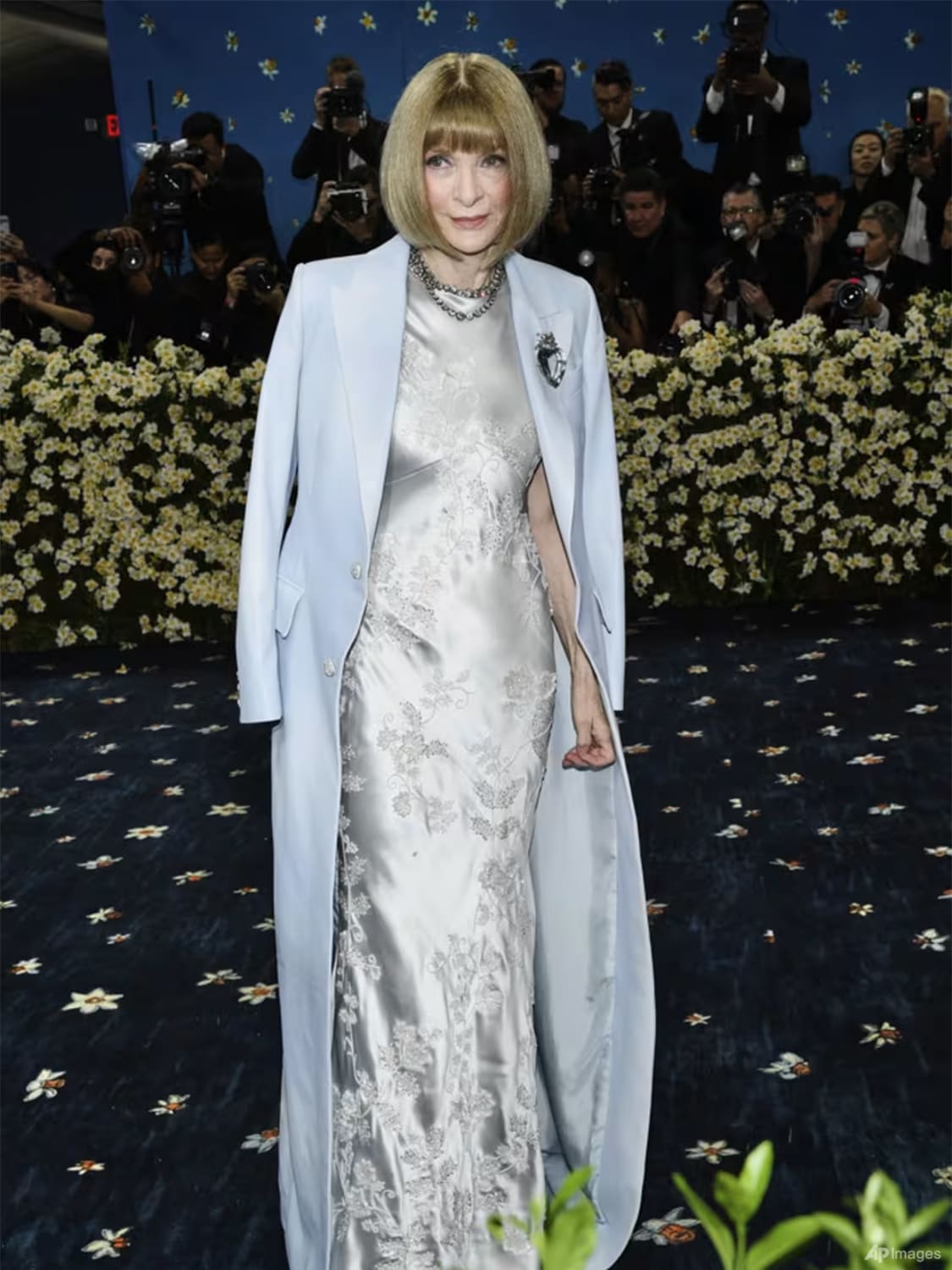
After more than three decades as editor-in-chief of American Vogue, Anna Wintour announced in June that she was stepping away. To be clear, this was not an exit. She remains Conde Nast’s global chief content officer and Vogue’s global editorial director.
Still, in a year already defined by creative upheaval, Wintour’s move added to fashion’s ongoing identity wobble: the old authorities are still present, but the centre of gravity has shifted.
THE DEVIL WEARS PRADA AGAIN
Forget everything else. The real cultural highlight of 2025 was the return of The Devil Wears Prada – which we consider fashion’s most influential film – with the long-anticipated sequel officially going into production this year. Almost immediately, paparazzi shots of Anne Hathaway and Meryl Streep filming on set were analysed with near-academic intensity. Every coat, every handbag, every withering glance from Streep became news.
Then came the perfect meta-moment: At Dolce & Gabbana’s Milan show, Streep appeared in character as Miranda Priestly, seated beside Stanley Tucci’s Nigel Kipling, with Anna Wintour herself nearby. Fiction, reality and fashion mythology collapsed into one immaculate front row.
The film hits theatres next May, and as Ayo Edebiri would say, we’re “simply too seated”.