Luxury discounting on the rise as years of price increases bite
As much as 40 per cent of designer goods were sold at steep markdowns this year, analysts say.
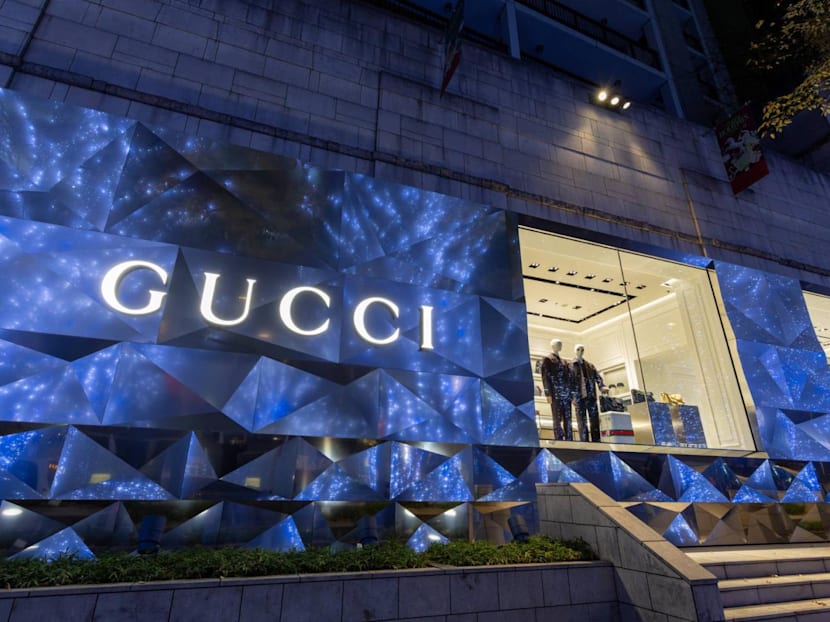
Gucci store in Roppongi, Tokyo. (Photo: iStock)
Up to 40 per cent of luxury goods were sold at a discount in 2025, hitting the sector’s profits as shoppers question the value of designer products after years of price rises.
Rising levels of discounting have pushed industry margins to a 15-year low, excluding the COVID-19 pandemic, in a slow market for designer products from shoes to handbags.
About 35 per cent to 40 per cent of luxury goods were sold at knockdown prices last year, according to consultancy Bain and Altagamma, the Italian luxury goods industry association, a rise of at least five percentage points from a decade ago.
More consumers were turning to outlet stores rather than paying full price for branded goods in boutiques, they said. While some reductions also take place in designers’ own boutiques, that is less usual for top labels.
“When consumers step back from paying full price, it is less a sign of frugality and more a clear message that the price-to-value equation in luxury has drifted out of balance,” said Claudia D’Arpizio, Bain’s global head of luxury.
Luxury groups pushed through sharp price rises in the post-pandemic sales boom. Prices on many products are between 1.5 and 1.7 times higher than they were in 2019, D’Arpizio noted, while luxury brands’ pipeline of new hit products has dwindled.
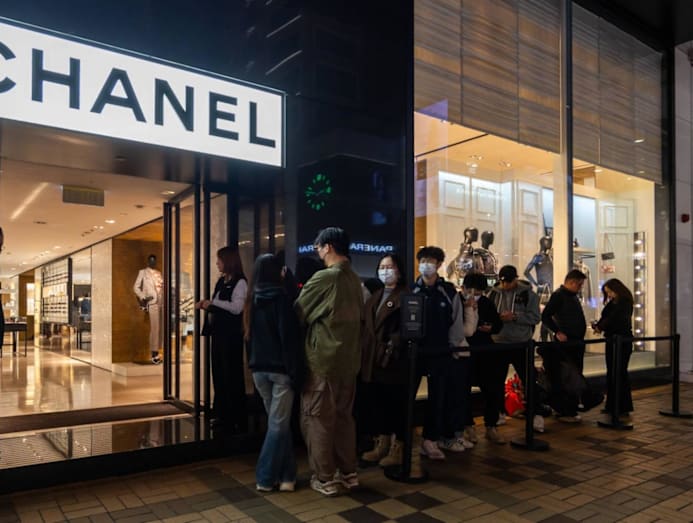
The degree of discounting has become a challenge for an industry where top brands work to reduce their exposure to wholesale and discounted sales channels in order to better control how their products are priced and presented.
“My customers are turning to contemporary brands or emerging designers, where the fashion content is high but the price point is lower than the big luxury names. So that’s where I’m putting more budget,” said a buyer at a big European department store.
The new crop of designers who had debuted in recent months at brands from Gucci to Chanel and Dior should help bring “new energy” to high-end design houses, the person added.
“The early signs in terms of creativity are promising [but] we’ll have to see if it’s enough to justify the cost,” the person said, adding that the new arrivals still needed time to settle in before being able to build momentum behind so-called hero products.
Steep price increases during the Covid sales boom helped turbocharge the profitability of luxury brands, but margins on personal goods have fallen back to levels last seen in 2009, according to Bain. Average operating profit margins in the sector peaked at 23 per cent in 2012, and were 21 per cent in 2021, but are expected to be about 15 per cent to 16 per cent in 2025.
Higher costs and the need to keep investing in marketing have added to the strain, even as the market for luxury goods has slowed.
Gucci and Saint Laurent owner Kering, which has been one of the worst performers in recent years, is undertaking a portfolio review as new chief executive Luca de Meo tries to cut costs and scale back the group’s retail network.

Sector leader LVMH has reined in spending on marketing blitzes, reduced travel budgets and closed underperforming retail locations, notably in China. The group has, however, pushed ahead with mega-projects such as a giant Shanghai store in the shape of a cruise ship, which opened last year.
Chanel reduced marketing spend and slowed hiring in China in 2025, according to people with knowledge of the situation.
Chanel declined to comment.
LVMH said it had “controlled non-priority costs and continued to invest in brand desirability, for example with projects that surprise people just like The Louis did in Shanghai”.
There are early indications that the Chinese market has stabilised after a difficult two years. Sales of jewellery and experiences — such as travel and dining — have stayed relatively strong.
“After the shopping spree era, experiences and emotions have become the true engine of luxury growth,” said D’Arpizio.
By Adrienne Klasa © 2026 The Financial Times.
This article originally appeared in The Financial Times.