Celebrating Remy Martin’s 300th anniversary with a limited Coupe by cellar master Baptiste Loiseau
Celebrating the tricentennial anniversary of Remy Martin, cellar master Baptiste Loiseau is on a victory lap with his latest creation in tow, the 300th Anniversary Coupe.
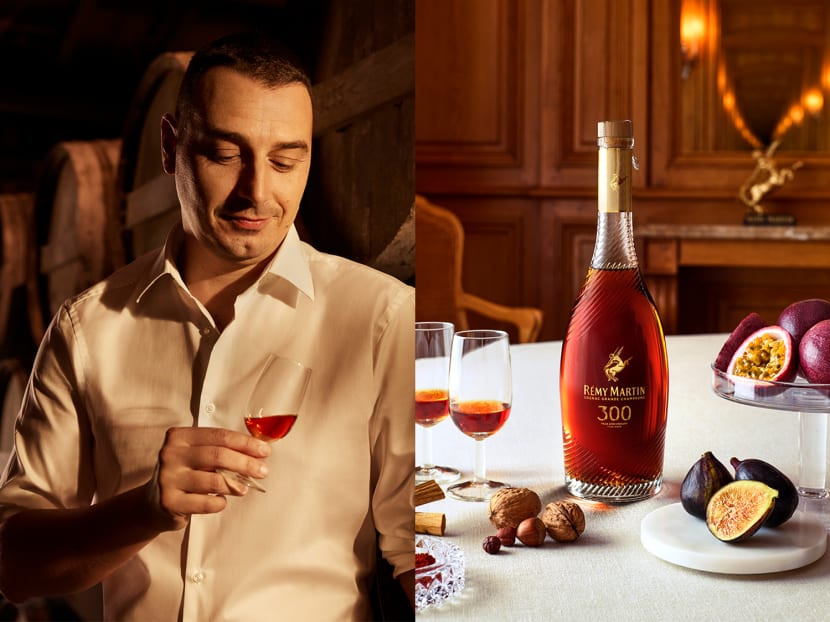
Remy Martin's cellar master Baptiste Loiseau and the 300th Anniversary Coupe he created. (Photo: Remy Martin)

This audio is generated by an AI tool.


One of the questions I posed to Baptiste Loiseau was how he recorded and recalled notes from his tastings. As cellar master of Remy Martin house of Cognac, Loiseau presides over thousands of flavour components, in this case, unaged brandies called eaux-de-vie, which translates poetically to 'water of life'. For every Cognac he creates, he goes through untold eaux-de-vie samples to find the right blend that speaks to the house style or 1,200 of them in the case of Remy’s ultra-luxurious Louis XIII cognac.
Loiseau was in Singapore for a day to present his newest creation, the 300th Anniversary Coupe. As the youngest cellar master in the history of Cognac – he was only 34 when he took on the role a decade ago – Loiseau’s youthful demeanour and assured energy transposes onto the 300-year-old brand.
The Coupe is special and justifies the Asian tour. Released only four times in history – the 250th, 275th and 290th – it commemorates an important milestone for Remy Martin. The 300th celebrates the tricentennial anniversary of the house, and it also marks Loiseau’s 10th anniversary as cellar master.
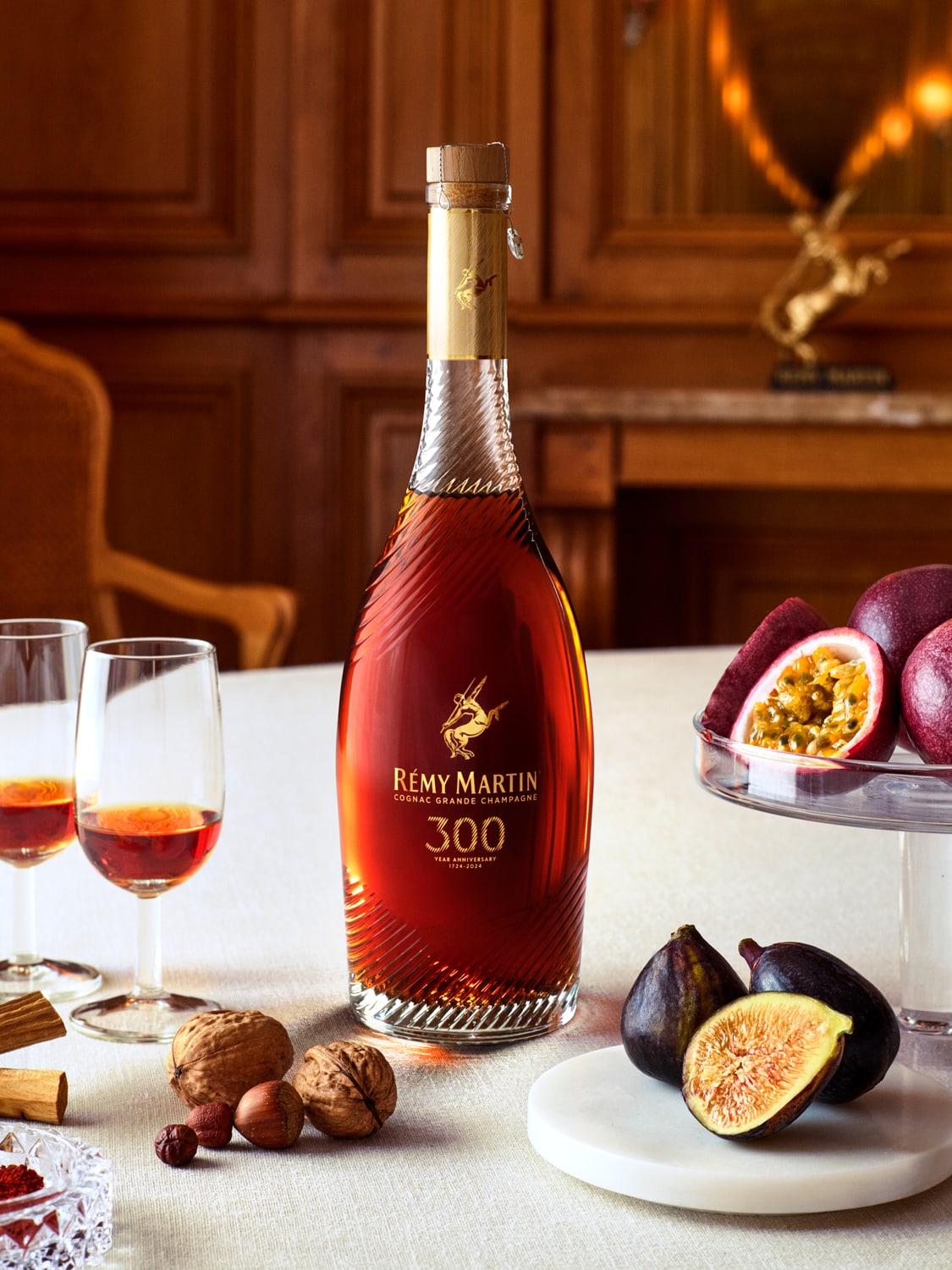
Limited to 6,724 numbered units and presented in a custom decanter, the liquid contains eaux-de-vie from Remy’s “Reserve Perpetuelle,” an everlasting collection of aged brandies, blended with the previous anniversary Coupe, the 290th, sourced solely from the exclusive Grande Champagne plots in the Cognac region.
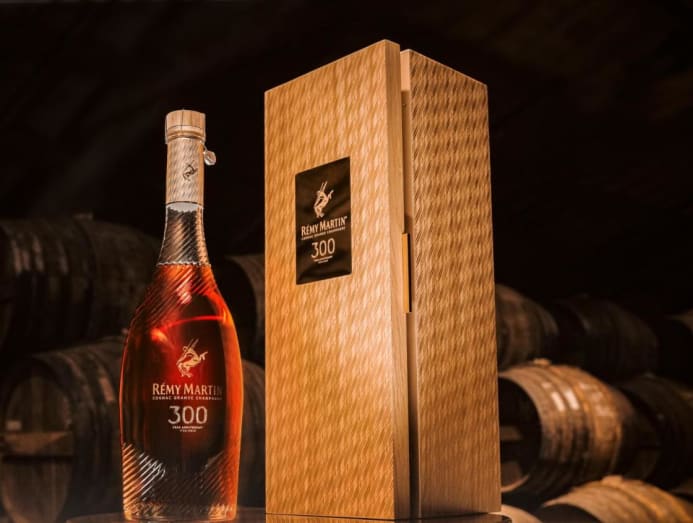
The Coupe series is a beautiful concept of perpetuity, linking the past to the future and one cellar master to the next. The 290th Coupe was created by his predecessor and mentor, Pierrette Trichet. She was the first female cellar master in Cognac, and the special edition also marked the year she retired and passed on the baton to Loiseau.
Which brings me back to the notes. Loiseau mentioned that Remy Martin holds 150,000 barrels of eaux-de-vie spread across 30 ageing cellars in Merpins, Cognac. But how does one person remember the aroma profile of each eau-de-vie and create a memorable cognac?
The notes for every barrel are categorised and coded, he explained, but on a human level, it’s a memory game. “I was trained by Pierrette to make a parallel between the code and the aroma.” Throughout our conversation, he paid tribute to his mentor, crediting her for teaching him everything he knows, and even shared how he cajoled her back to the cellars to create the 300 Coupe. “She did the 290th, so she’s a part of it,” he insisted.
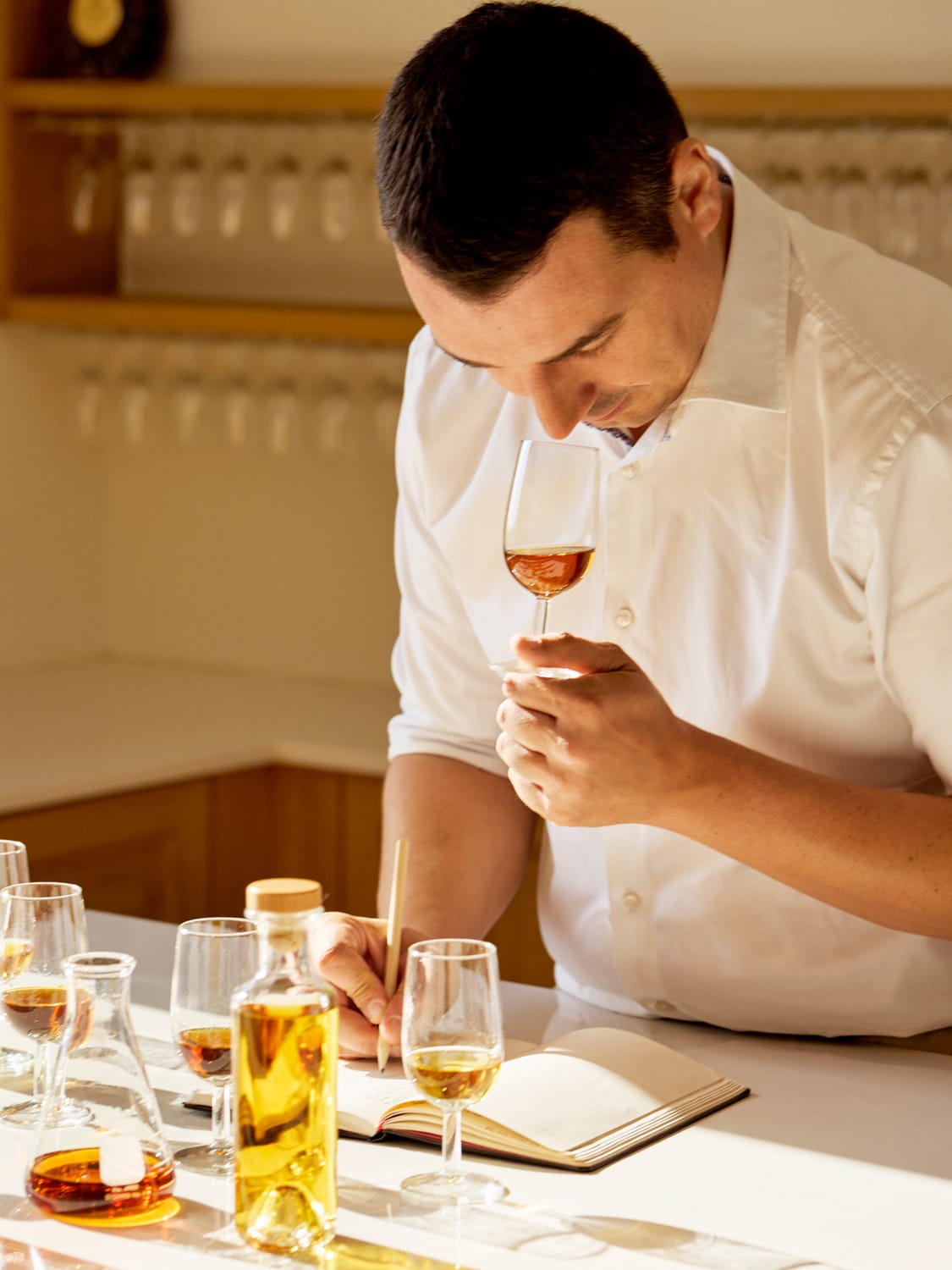
Beyond the memory recall, he prefers to write. “I have a small black notebook in which I put my notes,” he said simply before adding layers of artistry. “I like the sensation of writing. When I want to go back to the emotion I had while creating, I go back and see what I wrote at the time. Sometimes, it is precise and other times, it’s just my emotions preserved in the moment.”
It was the perfect pause to sniff and sip the 300th Coupe. Like autumn leaves illuminated by the sun’s rays, the amber-toned liquid is warm and inviting. The nose leads with candied fruit, orange peel, honeyed nuts, sandalwood, and cinnamon spice. On the palate, it is structured and elongated with elegance, silky texture, and a long, warming finish.
Unlike Louis XIII – the brand’s most prestigious Cognac made with a collection of 1,200 eaux-de-vie – the coupe is not quantified by numbers. “I'm distancing from these figures because in my opinion, they give a false idea of the impact the number of eau-de-vie adds to the complexity of the final product. It gives the sensation that Louis XIII is ruled by data or mathematics, which is not the case,” explained the 44-year-old.
“I really wanted to be focused on the quality of the (Perpetual) Reserve itself – the basis of the blend. For me, it’s not the number of eaux-de-vie that makes the richness, but much more the length of ageing and the time.”But it’s no less complex and took him close to a year to finalise from the samples to the final blend. During the process, he shared that he hadn’t revisited the 290th for a decade, and when he did, it had evolved in comparison to the one Trichet had created in 2014.
According to a market report by Fact MR, the global cognac market is expected to double in size to be worth US$10.2 billion (S$13.88 billion) in 2032, with the exclusivity of Cognac production as a major factor influencing the popularity of the liquid. However, other industry trends reports point to a decline in Cognac consumption across the western markets of Europe. Loiseau is conscious the new generation of millennials might not sip Cognac the same way as before, but he is not concerned. He understands the “millennials” in a different light.
“I may be one of the best proof of the fact that you can be young and appreciate cognac, because I took the position at 33,” he said. The next generation is interested, he said, but there are still some who don't know that Cognac is made from grapes, wine and then distillation. “The younger clientele is focusing much more on the making of Cognac and its provenance. They want to understand who the makers are and the methods of making.”
Loiseau believes people should be able to “play” with a high-quality cognac. “Mixology is a big thing for me,” he said. “In Cognac, everyone is having VSOP in long drinks, and it's not a sacrilege.” His advice: “Start with the versatility of a VSOP in cocktails, and then move to something much more prestigious that you will enjoy neat.”
A Rhone wine lover at heart (he loves Condrieu and Cote Rotie), he prefers his Cognac as an aperitif. “I have VSOP or 1738 with ginger beer. I like the association between ginger and Cognac. Then, Remy Martin XO on ice for me. A big ice cube, just to refresh not to dilute because it opens much more on the palate and highlights the smoothness due to the distillation.”
As for the 300th Coupe, he says the best way to consume is neat. “At room temperature, in a cellarmaster glass or a red wine glass,” he said, “For me, this is the best way for people to understand that Cognac is based on grapes. We go back to our roots; we go back to what we do in the in the fields.”