From Bangkok to the world: How the World’s Best Female Chef is shaping the future of Thai cuisine
From Michelin-starred Potong to her latest venture, Khao Sarn Sek, chef Pichaya “Pam” Soontornyanakij transforms familiar Thai flavors into a refined culinary journey.
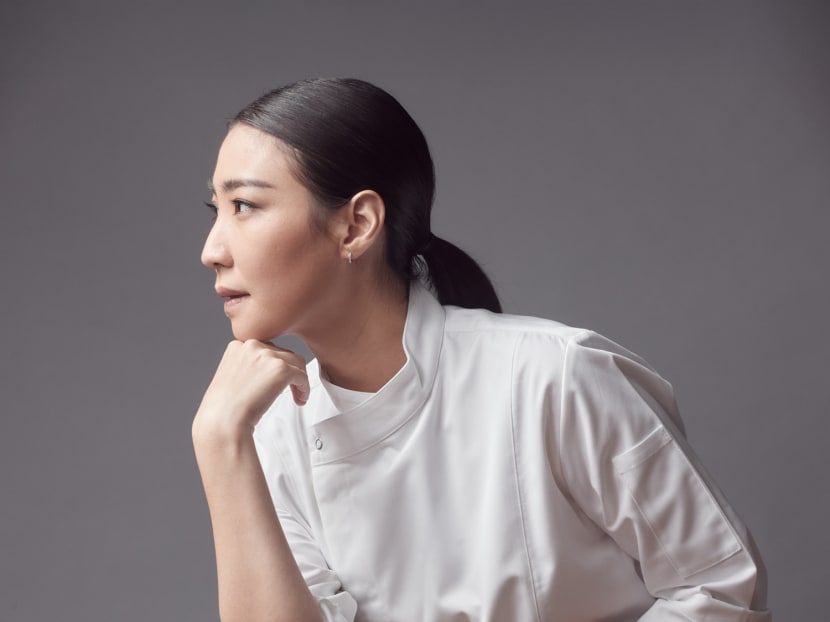
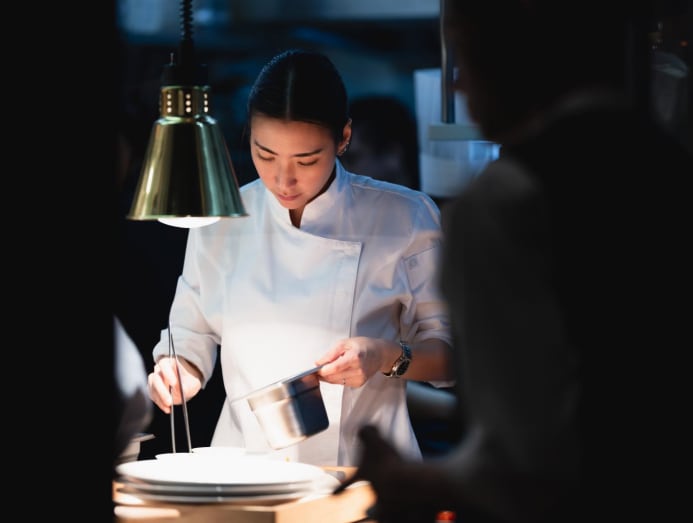
Chef Pichaya “Pam” Soontornyanakij. (Photo: Gastrofilm)

This audio is generated by an AI tool.


On Bangkok’s bustling Songwat Road, the current nexus for the city's bohemian crowd, we sat in a weathered shophouse whose faded charm hints at the neighbourhood's storied past.
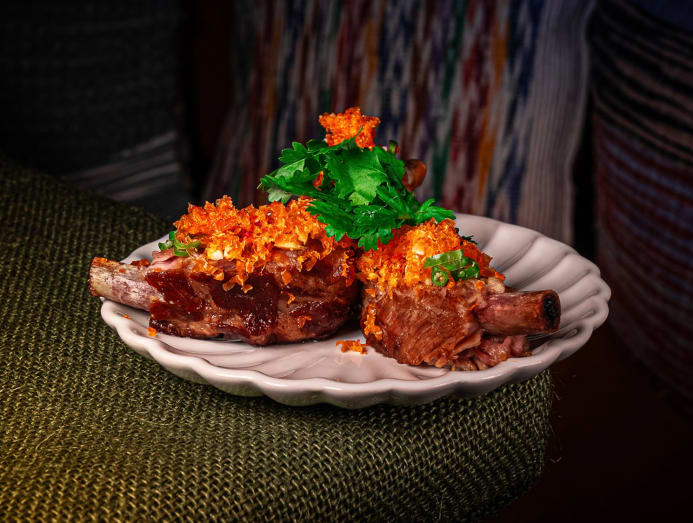
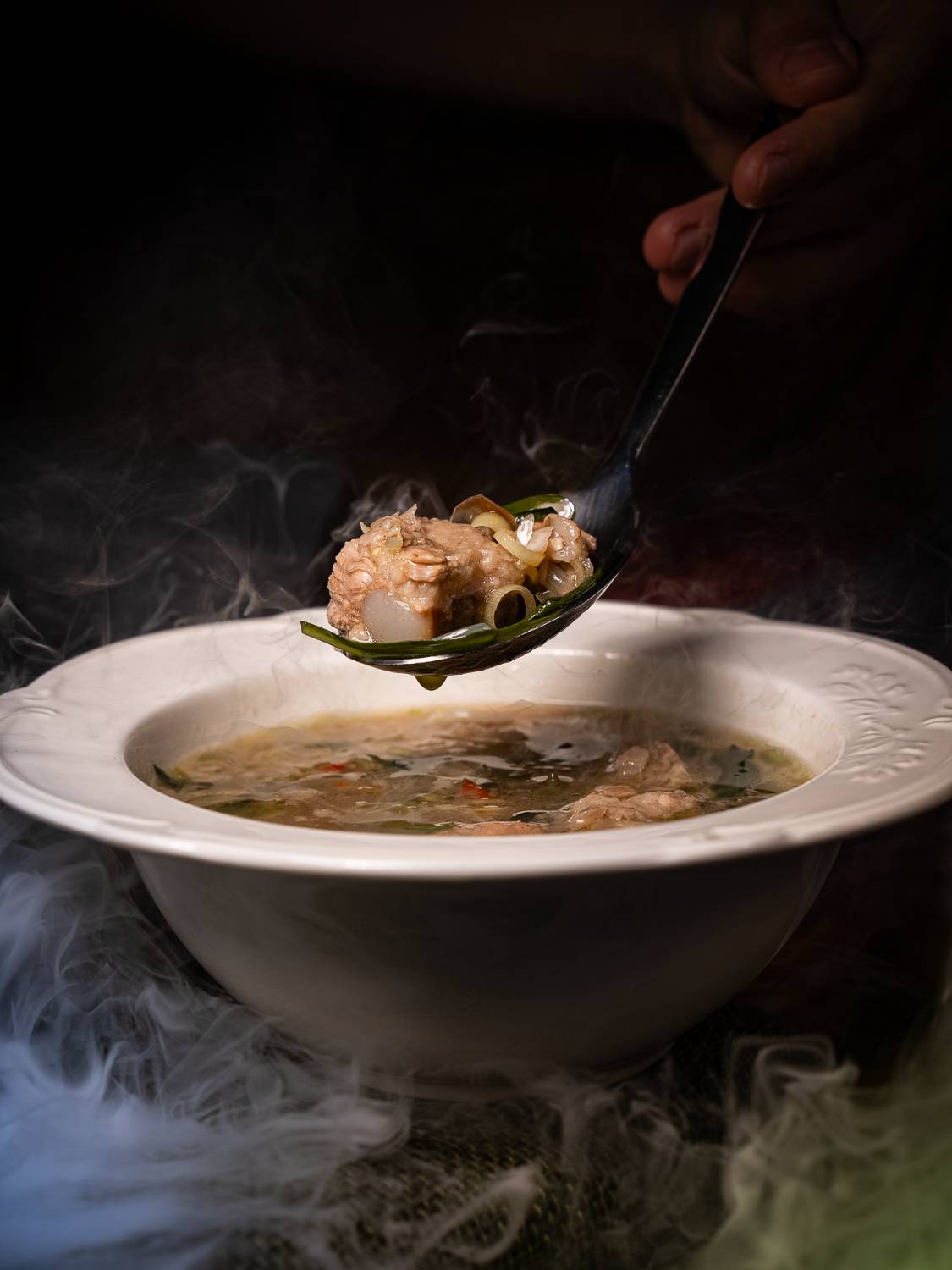
The building has been refitted for the hipster age. Yet, its soul lingers in dishes that channel nostalgia with a twist: River prawn glazed in garlic-pepper caramel, bean curry scattered with crispy sesbania blossoms, and chayote tips bathed in coconut cream. Lamb ribs, sticky with massaman paste, krabok seeds, and toasted coconut, are another standout on a menu full of bold flourishes.
Overhead, the Bee Gees warbled high-pitched odes to the dancefloor. It was an unlikely soundtrack for cutting-edge dining in one of Southeast Asia’s most thrusting food capitals. But Khao San Sek, the latest restaurant from chef Pichaya “Pam” Soontornyanakij, isn’t interested in the obvious.
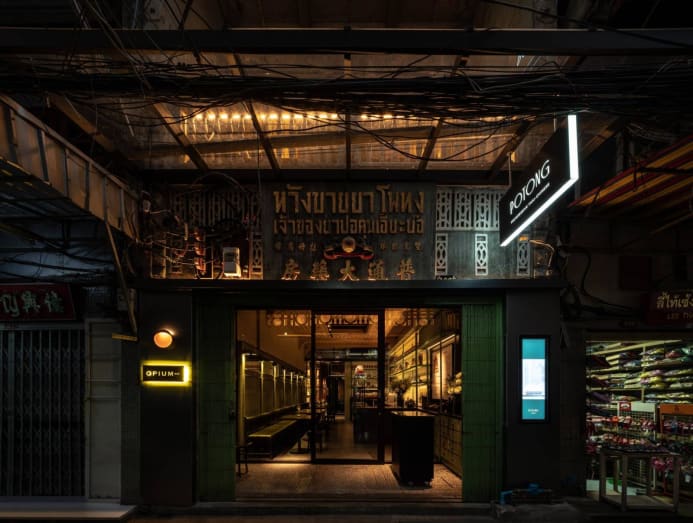
Potong, her Michelin-starred flagship, is housed a stone’s throw from Khao San Sek in her family’s century-old herbal medicine building, giving structure and soul to Pam’s Thai-Chinese roots. Khao San Sek is a looser homage but no less deliberate: A tribute to five core (or “sacred”) Thai ingredients, rice, chilli, fish sauce, coconut, and palm sugar.
Pam’s rise — from private chef to culinary icon — has been a precipitous one. Her culinary journey began in Bangkok, where she grew up in a family with deep roots in the city’s Chinatown district. She honed her skills at the prestigious Culinary Institute of America and gained international experience at Jean-Georges, one of New York’s most storied fine-dining institutions. That blend of classical technique and bold innovation would go on to define her signature style — one that combines cultural storytelling with fearless creativity.
Returning to Thailand, she co-founded The X Project with her husband and fellow creative force Tor [Boonpiti], launching a diverse portfolio of restaurants and bars that have helped shape the landscape of modern Thai dining. The group now includes 10 venues across Bangkok, ranging from Smoked, which fuses American BBQ traditions with Thai reverence for beef, to the bustling Tora Izakaya. Above Potong, she also created Opium Bar, a moody and immersive cocktail lounge currently ranked No 73 on Asia’s 50 Best Bars 2024.
This year, she was named the World's Best Female Chef by World’s 50 Best. But as she insists, she’s only getting started. We sat down with Pam to talk sacred flavours, food as emotion, and why Thai cuisine's future has never looked brighter.
Congratulations on the award. What does it mean to you — and Thai cuisine?
It’s deeply personal, of course, but it’s also bigger than me. To be the first Thai and Asian woman to win this title shows that boundaries are shifting. For so long, Thai food was seen through a narrow lens — street food, comfort food. But it can be just as complex, refined, and progressive as any global cuisine. I hope this inspires the next generation — especially women — to dream bigger and cook bolder.
Potong and Khao San Sek feel very different. What connects them?
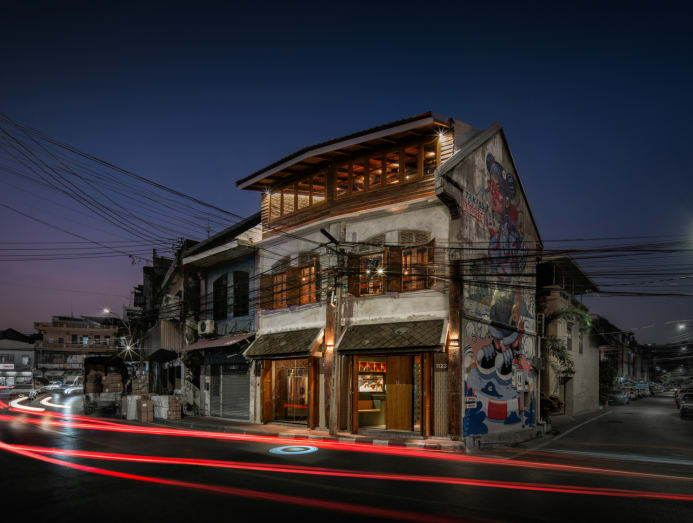
Potong is deeply personal — it’s my family’s old medicine building, and each floor tells part of our story. It’s structured, multi-sensory, and rooted in my five elements and five senses philosophy. Khao San Sek is freer. It’s built around five sacred ingredients — rice, chilli, coconut, fish sauce, and palm sugar. Each carries history and emotion. We've sourced the best versions from across Thailand and built dishes that highlight their soul. It’s more relaxed but still respectful, precise, and emotional.
You often talk about food evoking emotion more than telling stories. What is the feeling behind Khao San Sek?
Nostalgia and connection. Thai food holds memories in every bite. At Khao San Sek, we embrace the traditional style of eating in a circle, sharing everything. It’s different from palace cuisine. It reflects daily life, family, and togetherness. That’s what I want people to feel.
Why those five ingredients? What makes them “sacred”?
They’re the building blocks of our cuisine — and our culture. Rice is our sustenance. Chilli gives intensity. Coconut is versatile. Fish sauce adds depth. Palm sugar brings balance. They’re not just staples — they’re spiritual. They carry stories. That’s why we’ve built a menu where each section is anchored by one of them.
Is your five-element philosophy still present at Khao San Sek?
It’s in my DNA, so yes — but less rigid. At Potong, the five elements — Salt, Acid, Spice, Texture, and Maillard Reaction — guide every dish. At Khao San Sek, I follow my instincts more. It’s still about balance and emotional impact, but in a freer, more ingredient-led way.
Bangkok is steeped in food nostalgia. How do you innovate without losing people?
You don’t change things just to be clever. You start with deep research — talking to producers, understanding traditions. Then you ask: How can I make this more layered or surprising without losing its heart? Innovation should serve the dish, not my ego. When it’s honest, people feel it.
Your hospitality group, The X Project, now includes over 10 restaurants and bars. How do you stay creatively grounded?
It all started with my husband and me, no investors, just a passion to do something new. Each concept comes from a different creative question. Potong is where I explore my Thai-Chinese identity. Opium Bar plays with cocktails. Smoked is about fire and boldness. Tora Izakaya is casual and fun. Khao San Sek is sacred and nostalgic. RA-U, our new Thai grillhouse, opens soon. Different voices — but the same soul. We’re still asking the same question we did on day one: Why does this matter?
Are there autobiographical elements in Khao San Sek's menu, too?
Absolutely. The suckling pig is inspired by old-school Thai cooking. The grilled catfish with burnt palm glaze channels backyard flavours. These aren’t royal dishes — they’re everyday Thai meals elevated through care and sourcing. That emotional thread runs through everything.
You’re a visible advocate for women in kitchens. Has the landscape changed?
Somewhat. We’ve made progress, but we’re not there yet. There’s a difference between inequality and inequity. Women are already strong — we just need more support systems. That’s why I started Women for Women (WFW): To offer scholarships, internships, and mentorship for female chefs. Visibility helps. So does action.
Where do you see Thai cuisine heading over the next decade?
I want Thai food to be known not just for its flavours but for its philosophy and technique. I want people to learn about our fermentation, our ingredients, our depth — not as “exotic,” but as essential. Thai cuisine deserves the same recognition as French or Japanese. I hope my work helps move us there.
What’s next for you?
This isn’t the finish line — it’s the beginning. We just opened Khao San Sek. RA-U opens soon. And we are working on Sato, our Thai rice brew project. But no matter what, Potong will always be home. That building carries my past, my family, my philosophy. As long as I have something to say through food, I’ll keep cooking, keep building, keep climbing.