Inside The Shinmonzen, Kyoto’s art-filled luxury hotel where every detail tells a story
Marrying modern architecture with traditional Kyoto charm, The Shinmonzen is a nine-room work of art where every element has been thoughtfully composed.
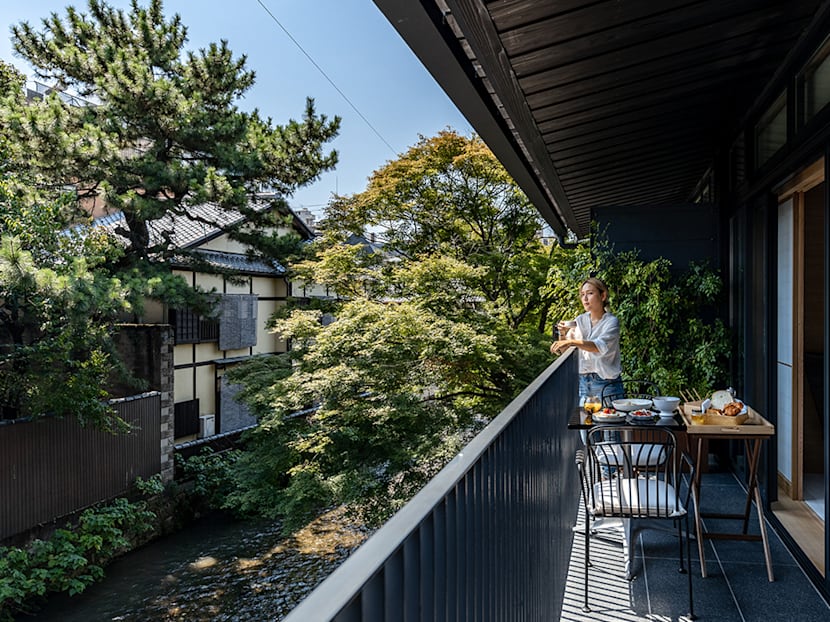
Designed by Japan’s famed architect Tadao Ando, The Shinmonzen is a nine-room luxury hotel nestled along Kyoto’s tranquil Shirakawa River. (Photo: The Shinmonzen)

This audio is generated by an AI tool.
“Follow this way,” said I Komang Suardana as he led me down a narrow alley beside The Shinmonzen. Suardana was the guest experience supervisor of the luxury boutique hotel in Kyoto when I visited last year and is now its guest experience assistant manager.
We wound through a stone-paved alleyway in the shadow of machiya roof eaves, passing doorways to tiny izakayas and restaurants, before emerging a few minutes later into the bright sunlight. Suardana, smiling broadly, announced that we had arrived in the heart of Gion.
Tourists strolled along Shinbashi-dori, filling their cameras with charming scenes of Kyoto’s famed geisha district, where rows of historic machiyas climb the gentle slope toward the 1,350-year-old Yasaka Shrine. Having found the hotel’s entrance so serene, I was surprised to discover how close it was to the lively heart of Gion.
Opened in 2021, The Shinmonzen was a 10-year labour of love by Irish hotelier Paddy McKillen and an ensemble of renowned collaborators. Japanese architect Tadao Ando shaped its machiya-inspired architecture, while French interior Remi Tessier furnished the spaces.
McKillen and Ando first worked together on McKillen’s Chateau La Coste in Provence, completed in 2011. Ando designed the master plan for the sprawling estate, which includes Villa La Coste, an art centre and chapel by the architect himself, a music pavilion by Frank O. Gehry, and an auditorium by Oscar Niemeyer – all set amid artworks by Louise Bourgeois, Alexander Calder, Sophie Calle, Yoko Ono, Ai Weiwei, and Hiroshi Sugimoto, among other luminaries.
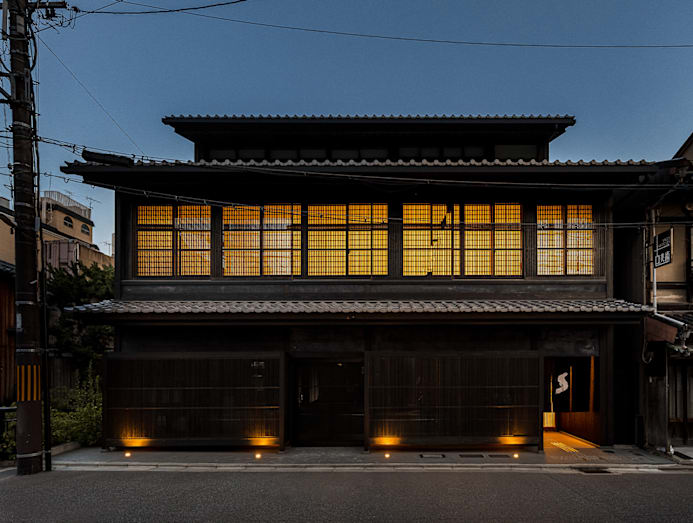
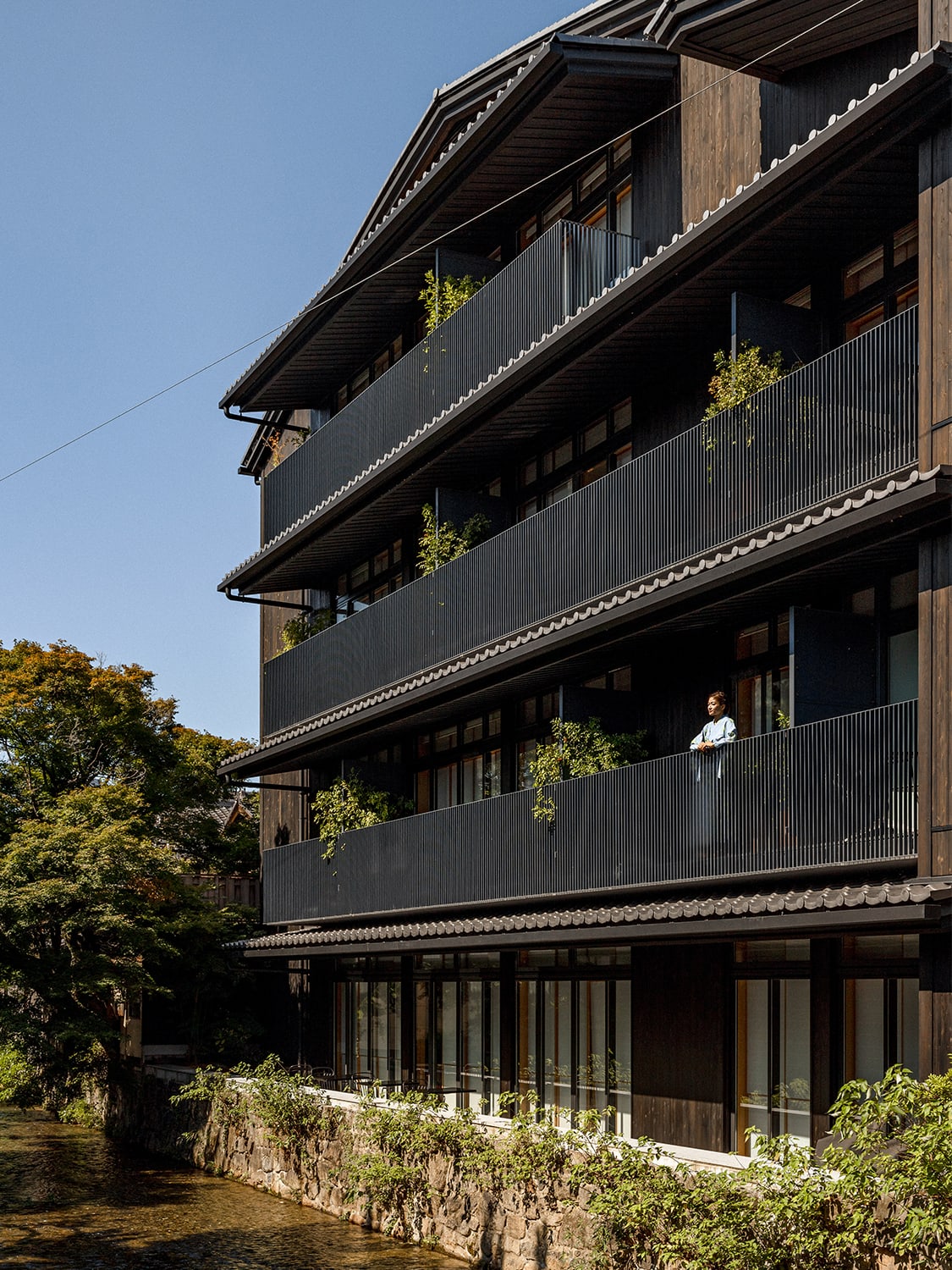
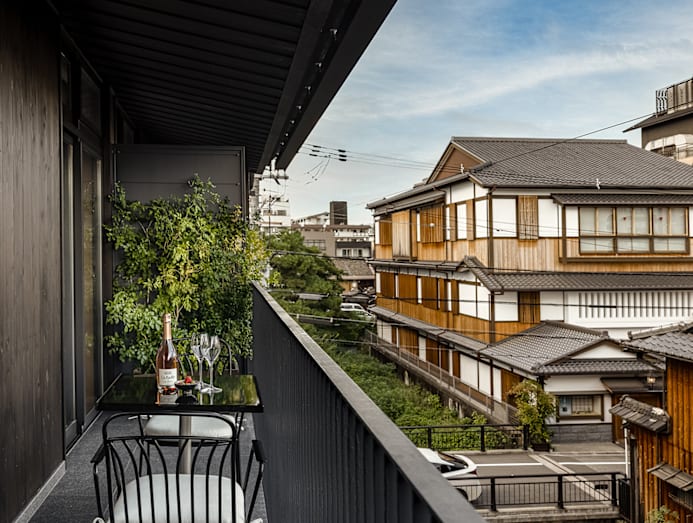
In contrast, The Shinmonzen is boutique and intimate. The nine-room hotel nestles along quaint Shinmonzen-dori, a street lined with antique art dealers. It occupies a corner plot, its open side facing the Shirakawa River, curtained by the draping leaves of willow trees and dappled with noonday sunlight.
Ando was inspired by machiya architecture, but rather than simply re-creating the traditional vernacular, his version merges old and new. The dark-timbered, four-storey building has latticed facades, while the side facing the stream is reminiscent of an apartment block, with long sheltered balconies replacing the traditional engawa as places to enjoy the outdoors.
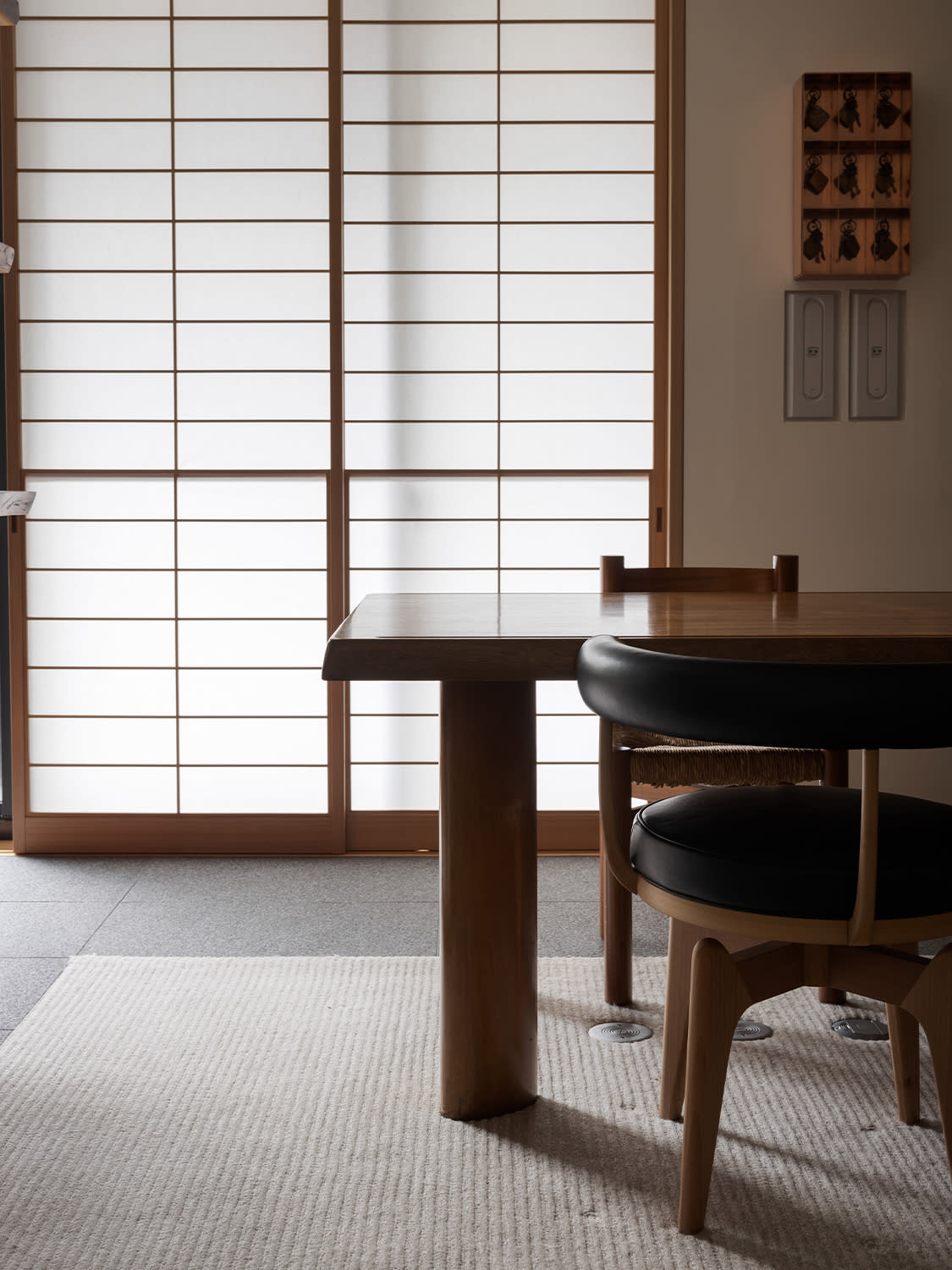
Ando’s touch is visible throughout – from the hand-drawn ‘S’ on the noren curtain at the entrance to the smooth off-form concrete walls that lead from the entryway into the lounge. The hotel’s intimate scale feels almost private: the reception desk is a Charlotte Perriand-designed table, adorned with ceramics and shelves lined with art and design books.
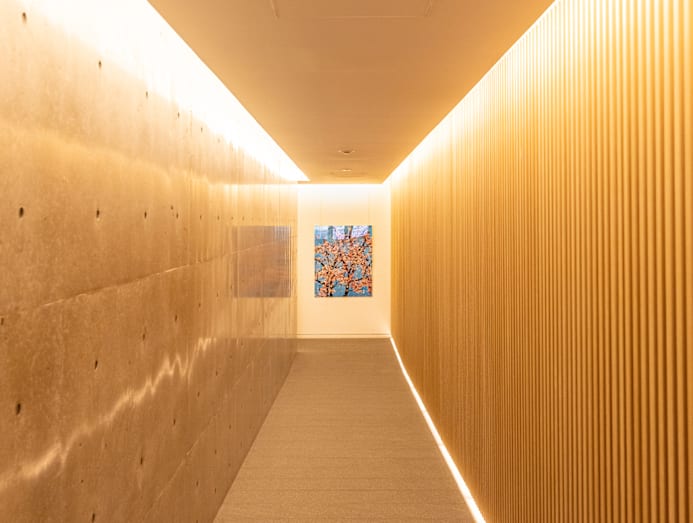
As a sister hotel to Villa La Coste, art abounds – albeit subtly, in a residential manner. The public corridor features works by embroidery artist Asami Kiyokawa, painter Makoto Ofune, and framed photographs by Mary McCartney, whose father happens to be the famous Paul McCartney. Elsewhere in the hotel are pieces by Louise Bourgeois, Gerhard Richter, Damien Hirst, Hiroshi Sugimoto, and Makoto Ofune.
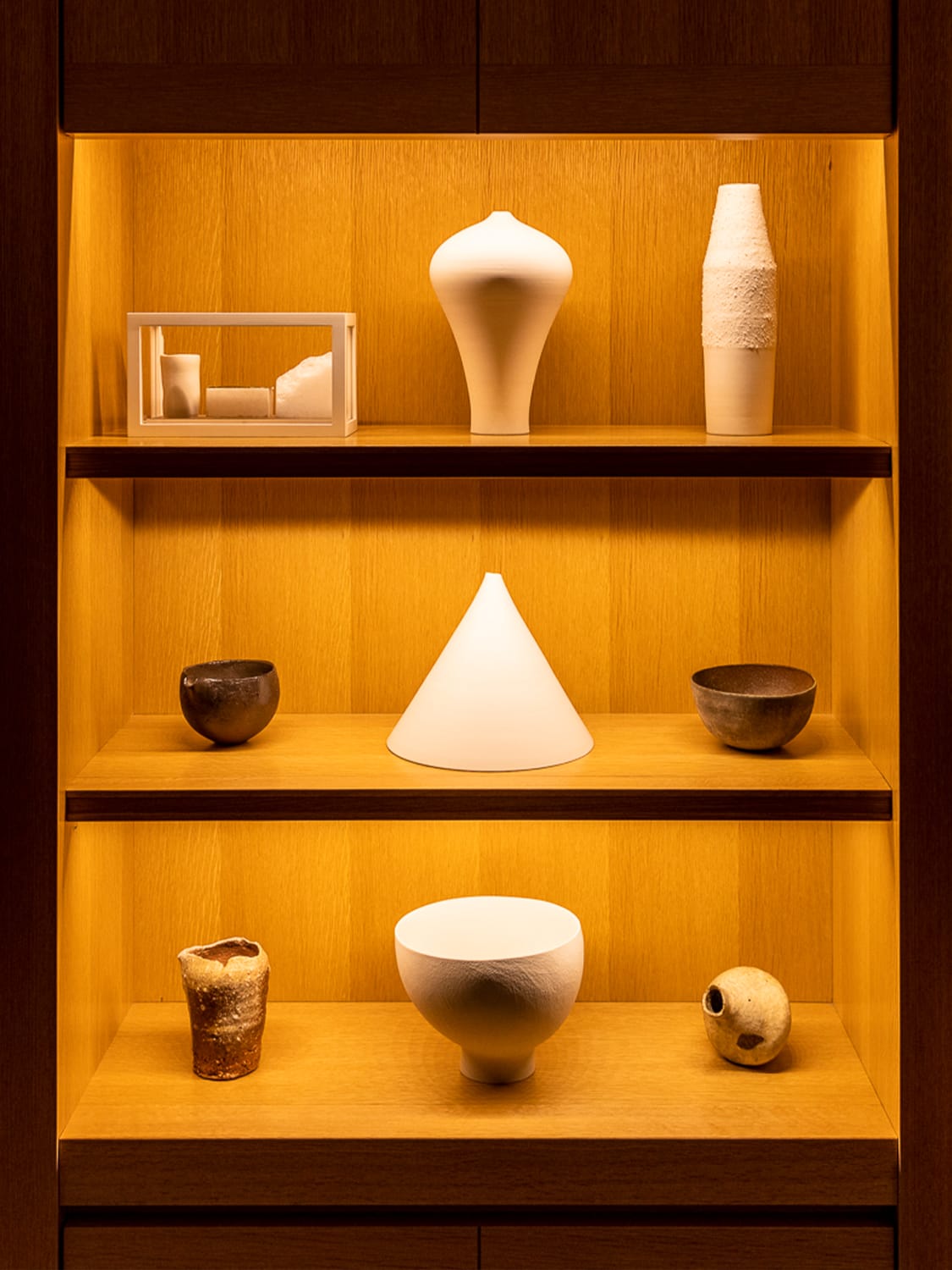
The Shinmonzen’s artistic soul extends into every detail – even the weighted brass key and keychain that replaces the typical plastic key card. Each guestroom has a distinct layout, and I was given Ishi (meaning “rock” or “will”), its name etched into a gleaming silver-plated panel on the doorframe.
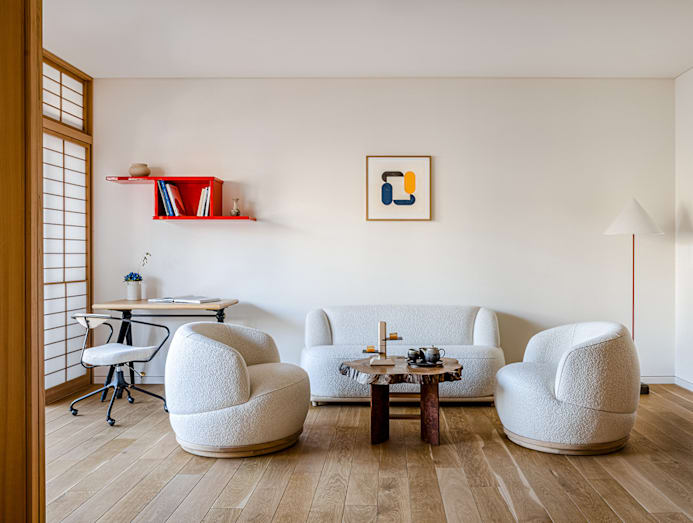
Inside, there are many considered details – from the sculptural timber shoehorn at the doorway to the ribbon-shaped, hammered brass piece that bridges a crack in the coffee table, crafted from a cross-section of an old tree with its bark intact.
In the bathroom, amenities – including skincare from the botanical brand DamDam – are packaged like gifts in timber boxes and tied with string. The bath counter is a handsome block of pink marble that colours the space, while a Hinokisoken bathtub from Gifu Prefecture offers a soothing soak after a day wandering the streets of Gion.
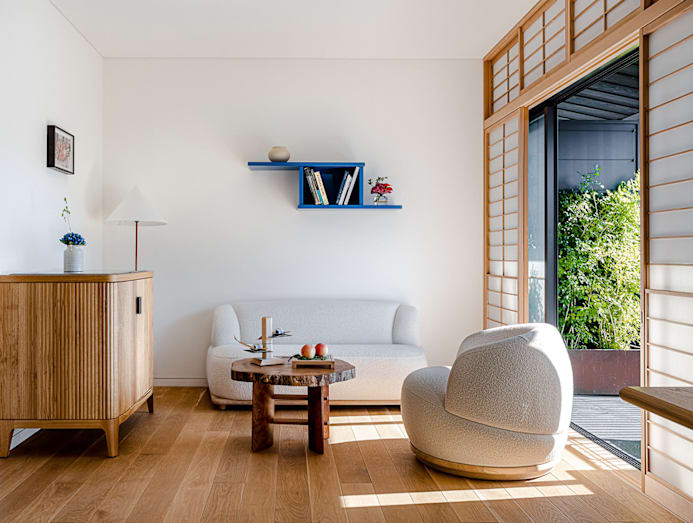
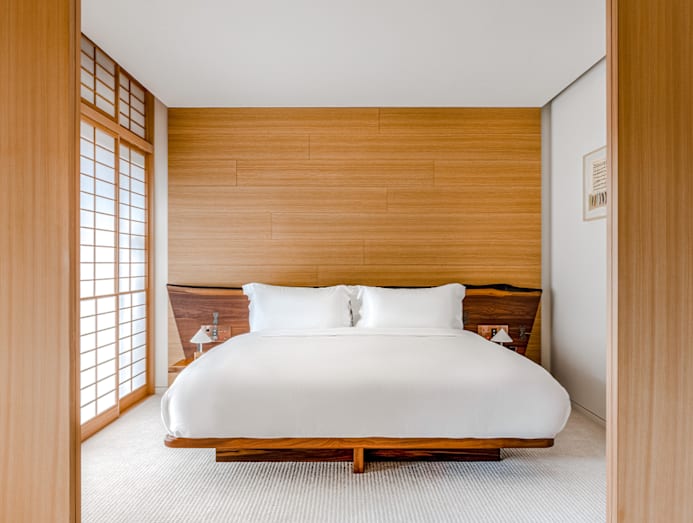
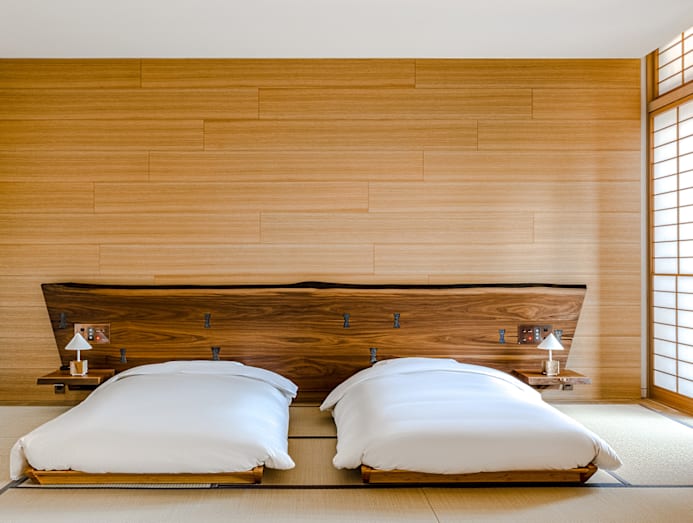
The main guestroom features shoji screens reimagined with modern proportions. Some rooms have raised beds, but mine had twin futons set close to the tatami mats. The organically shaped headboards were crafted by the English cabinet-making company Longpre, which also designed the joinery throughout the space, including the walk-in wardrobe.
It’s easy to while away the hours in the guestroom, lounging in plush, rounded seats by designer Toan Nguyen and leafing through books on art and design featuring figures such as Hiroshi Sugimoto and John Pawson. Here, comfort and style blend in equal measure.
But we were in Kyoto, and the streets beckoned. A quick way to get acquainted with the area was the tour I took with Suardana, which lasted about an hour and a half, depending on how often one paused to check out the shops or sights. The trail wound through Hanamikoji-dori, where Maiko and Geiko can be seen passing by in both day and evening, and past sacred landmarks such as Kenninji Temple, Yasui Kompiragu Shrine, and Yasaka Pagoda.
Yasaka Shrine marked the end of our circuit before we headed back toward The Shinmonzen. “We walk in a circle – it’s fun and exciting,” remarked Suardana as we strolled along the picturesque route.
Our leisurely stroll made Jean-Georges at The Shinmonzen an especially enticing choice for dinner. The restaurant offers modern French cuisine using seasonal local ingredients, and, like the artistic tableaux throughout the hotel, the dishes conceived by executive chef Hana Yoon are beautifully plated – each ingredient deliberate and layered in flavour.
The hotel’s recent Michelin accolades may make securing a reservation more difficult this year. The Shinmonzen earned Two Michelin Keys in the 2024 guide, and in 2025, Jean-Georges at The Shinmonzen received its first Michelin Star. Notably, 29-year-old chef Hana Yoon became the first female chef in Kyoto to achieve this honour.
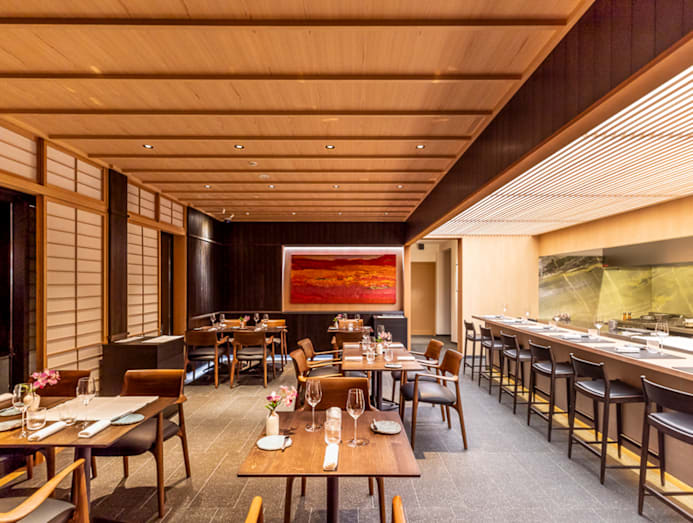
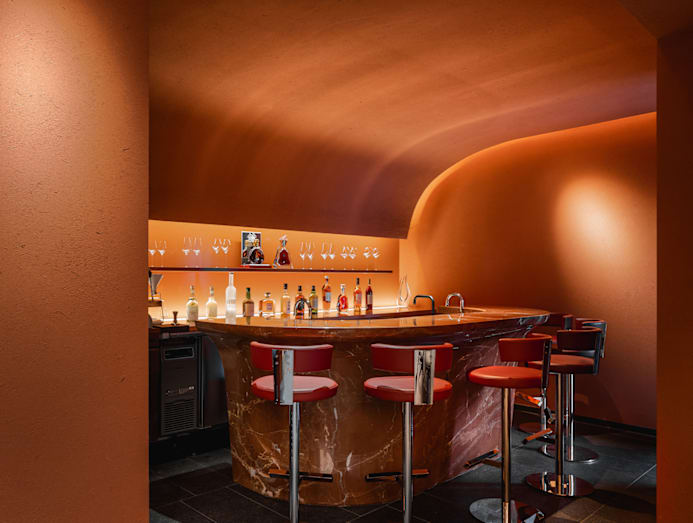
But if you do manage to score a seat, a meal here would prove unforgettable. Interior designer Stephanie Goto – whose projects include chef Daniel Boulud’s home, the Azabudai Hill Gallery in Tokyo, and the Calder Foundation’s project space in New York City – provides a nuanced setting adorned with sculptures by artists such as Taizo Kuroda.
I chose the tasting menu, which presented a delicate balance of sweet, salty, and umami flavours. Among the dishes was an egg toast stack stacked with a mountain of caviar resting on a bed of dill – a small bite offering a delightful crunch – as well as charred white corn ravioli that swam in a refreshing basil fondue, accented with jewel-like cherry tomatoes.
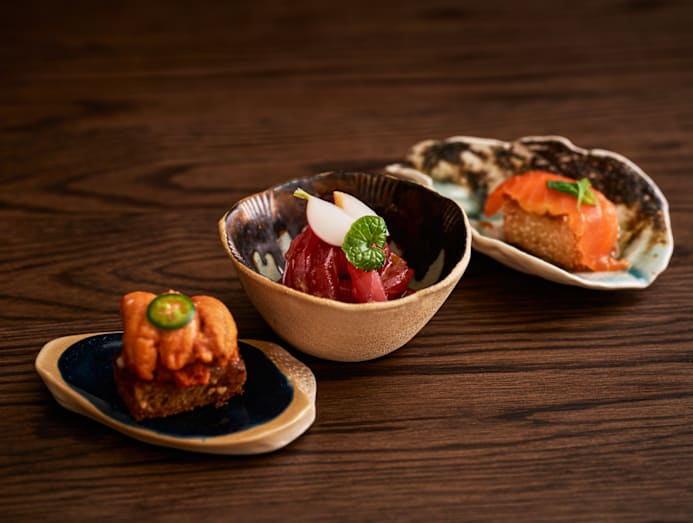
The main course of Kyotamba black beef tenderloin was cooked to perfection, offering a hint of tanginess from aged balsamic vinegar in the beef jus. It served as the perfect prelude to dessert – a passion fruit ice cream “gem” enveloped in Valrhona dark chocolate leaves and accented with caramel.
In the morning, the sun woke me softly through the shoji screens. I decided to have breakfast in my room and was served a traditional Japanese set featuring gindara glazed with teriyaki sauce, tamago, rice, and assorted toppings, all beautifully arranged on ceramic dishes.
Another delightful part of the stay was Ogata at The Shinmonzen, a boutique on the ground floor where one could browse tastefully packaged souvenirs. The shop was designed by Simplicity, the design studio founded by Shinichiro Ogata in 1998.
Ogata’s T. Collection of artisanal teas is equally refined, each blend crafted with layers of umami and fragrance; I left with a few favourites, their subtle flavours lingering long after my stay.
Browsing in Ogata at The Shinmonzen is a multi-sensory experience, where the scent of tea mingles with the tactility of natural materials – expressed through details such as delicate glass lamps and a large, rough-hewn counter made of Isahaya stone from Nagasaki Prefecture.
An adjacent space offers a selection of exquisitely packaged goods. Among the offerings are Japanese wagashi, YOKA – a fragrance by Simplicity created in collaboration with Shoyeido, the 320-year-old Kyoto incense house – and other objects by the studio, including the elegant cake stands used for the Riverside Terrace’s high teas.
Another sensory moment awaits at teatime in the Riverside Lounge by the stream, where guests can enjoy T. Collection teas or wines from Chateau La Coste. The gentle sound of flowing water, the occasional birdsong, and the flavours put together by chef Yoon create a deeply therapeutic calm – one that feels worlds away from Kyoto’s tourist bustle.