Wuhan virus: MOH steps up measures to classify, screen and isolate suspected cases from Jan 22
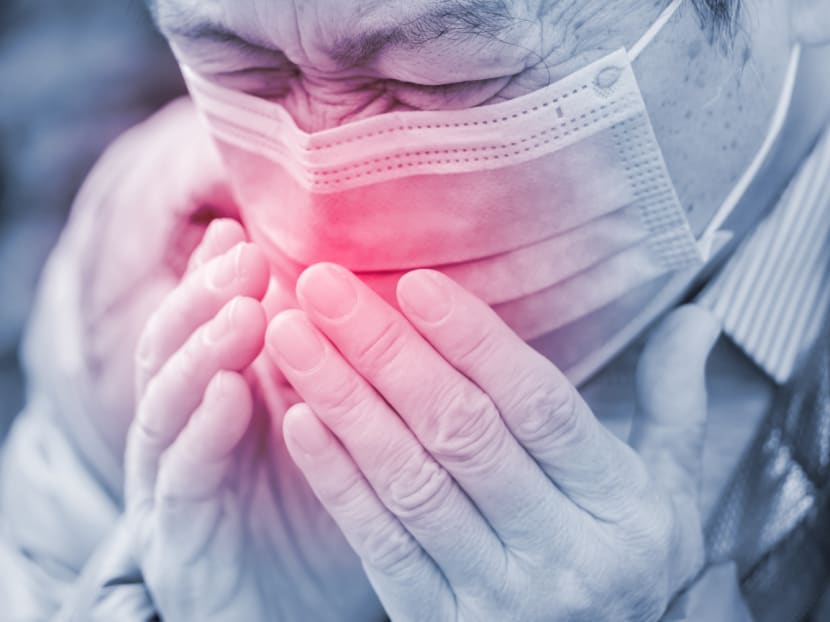


SINGAPORE — From Wednesday (Jan 22), the Ministry of Health (MOH) will introduce more precautionary measures in order to reduce the risk of a new coronavirus being imported into Singapore, casting the net wider to isolate more people who may be exposed to the Wuhan virus.
In a statement on Tuesday, which came less than 24 hours after it announced that all travellers arriving at Changi Airport on flights from China will have to undergo temperature screening from Wednesday, MOH said that from Wednesday, too, people arriving in Singapore who have pneumonia and developed symptoms within 14 days after travelling to China will be isolated.
Those who have acute respiratory infection and developed symptoms within 14 days after being in any hospital in China will also be isolated.
These suspected cases will be isolated in hospital as a precautionary measure to prevent transmission.
Previously, only those who have fever and pneumonia, and developed symptoms within 14 days after travelling to Wuhan in China would be isolated.
Suspected cases meeting the widened definition will be referred to hospitals for further assessment.
The authorities in China have confirmed on Monday that the virus can spread from human to human, and the number of pneumonia cases linked to the virus have risen both in China and in other Asian countries.
The outbreak of the virus was first reported at Wuhan city in the Hubei province of China, and it is believed to be linked to the Huanan Seafood Wholesale Market there that also sells live animals.
The virus, known as 2019-nCoV, is called a novel (new) coronavirus because it is a new strain that has not been previously identified in humans, the World Health Organization (WHO) said. It is in the same family as the ones that caused the Middle East respiratory syndrome (Mers), as well as the severe acute respiratory syndrome (Sars) outbreak which killed almost 800 people worldwide from 2002 to 2003, including 33 in Singapore.
Coronaviruses are zoonotic, meaning they are transmitted between animals and people. Investigations found that the Sars virus was transmitted from civet cats to humans and the one causing Mers was from one-hump camels to humans, WHO said.
In rare instances, coronaviruses can evolve and then spread from human to human.
TAIWAN SEES FIRST INFECTION
A panel from WHO will meet in Geneva, Switzerland on Wednesday to consider whether to declare an international public health emergency over the virus, the way it did with swine flu and Ebola. This could mean a call for a co-ordinated international response to the outbreak.
Following exported cases in Japan, South Korea and Thailand, Taiwan reported its first confirmed case on Tuesday when a Taiwanese woman returned from Wuhan, had fever, and tested positive for 2019-nCoV.
Close to 300 cases have now been reported across major cities in China, including Beijing and Shanghai.
Symptoms of the pneumonia that is linked to the virus include a fever, shortness of breath, cough, nausea, among others.
At Changi Airport, health advisory posters have been put up to advise all travellers on the precautionary measures to take when travelling to or arriving from Wuhan.
MOH first started taking precautions since the start of the year, with temperature screening at Changi Airport for travellers arriving on flights from Wuhan, and suspected cases have been referred to hospitals for further assessment.
SUSPECTED CASES IN SINGAPORE
As of 3pm on Tuesday, MOH has not been notified of any new cases.
The seventh suspected case, a 44-year-old female Singapore resident with pneumonia who had travelled to Wuhan, tested negative for coronavirus, the ministry said.
With medical practitioners being told to look out for pneumonia cases, MOH said that Singapore will likely see more patients who need to be tested because it “cannot rule out the possibility of imported cases”.
“To date, there have been no confirmed cases of the novel coronavirus reported in Singapore. However, given the high volume of international travel to Singapore, we expect to see more suspected cases, and possibly imported cases,” MOH said.
“Once a case is confirmed, contact tracing will be initiated, and we will implement strict isolation, quarantine, and infection control and prevention measures to prevent further transmission,” it added.
MOH urges the public to remain vigilant and to adopt good personal hygiene practices.
“All travellers to China should monitor their health closely and seek medical attention promptly if they feel unwell, and also inform their doctor of their travel history,” it said.
MOH also advised travellers and members of the public to adopt the following precautions at all times:
Avoid contact with live animals including poultry and birds, and consumption of raw and undercooked meats
Avoid close contact with people who are unwell or showing symptoms of illness
Observe good personal hygiene
Practise frequent hand-washing with soap, for example, before handling food or eating, after going to the toilet, or when hands are dirtied by respiratory secretions after coughing or sneezing
Wear a mask if you have respiratory symptoms such as a cough or runny nose
Cover your mouth with a tissue paper when coughing or sneezing, and dispose of the soiled tissue paper in the rubbish bin immediately
Seek medical attention promptly if you are feeling unwell.
TOUR AGENCY TO MONITOR SITUATION
Travel agency Dynasty Travel told TODAY that it does not offer tours to China until March 2020, which is when the peak travel period usually starts.
It does not offer tours to Wuhan and the closest tour to Wuhan is Changsha, which is four hours away by coach.
Ms Alicia Seah, director of communications at Dynasty Travel, said that Singaporeans tend to avoid the January to February period because the Chinese New Year holidays are quite packed with travellers.
She added: “We are closely monitoring the situation, and are hopeful that the authorities will handle the situation well. If the situation worsens, we will offer traveling alternatives to our customers or even postpone tours.”
The travel agency will also be providing N95 masks for customers, avoiding visits to places with live animals, and will not serve meals with raw meat.