We made a rare visit to Chanel’s beauty research and innovation centre in Paris – here’s what we found out
What goes into the ideation and formulation of Chanel’s skincare products? Lots of science, innovation and research, CNA Lifestyle discovers on a trip to Chanel's laboratory in the Paris suburb of Pantin, France.

(Photos: Chanel)

This audio is generated by an AI tool.


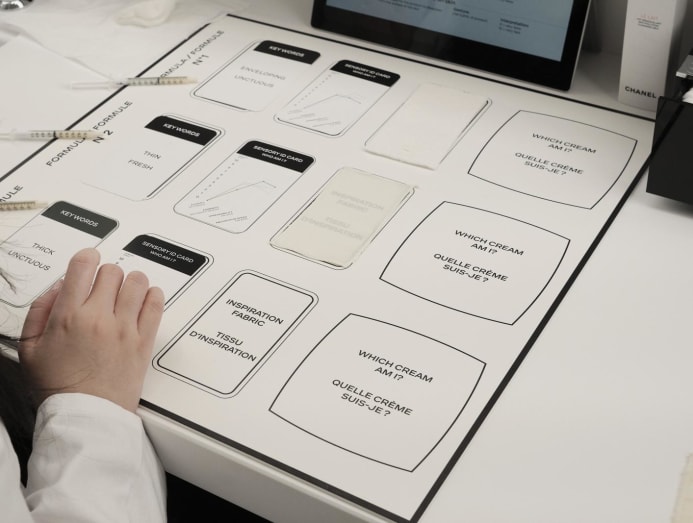
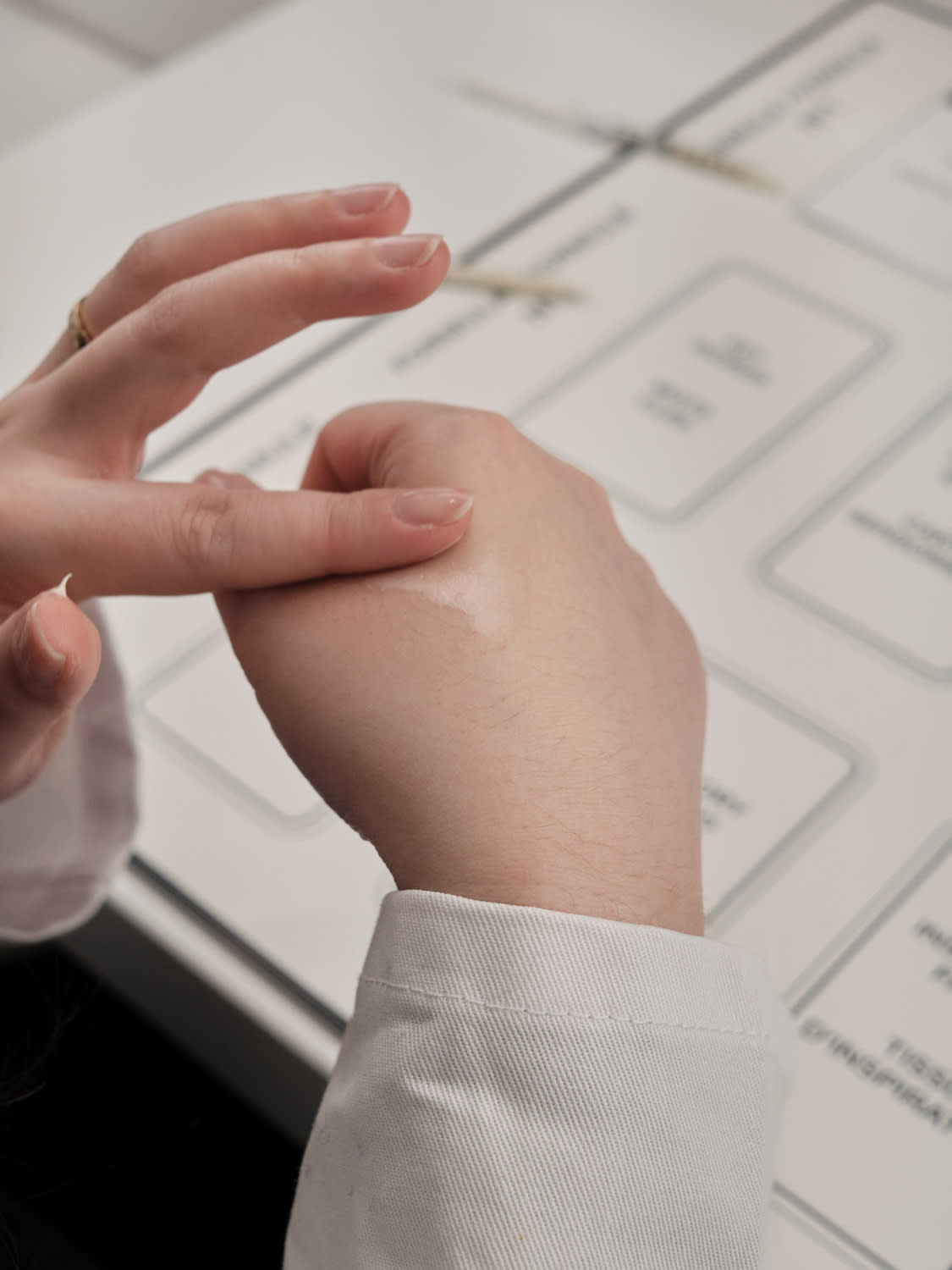
It’s a rainy and rather chilly morning somewhere in France, and I am sitting in a booth in a gleaming white science laboratory, with three syringes of beauty creams laid out in front of me. A chart, along with three fabric samples and several cards are spread across the table.
The cards contain keywords meant to describe each cream, such as thin, thick, enveloping and unctuous. The syringes are labelled No 1, No 2 and No 3. I am told to test the creams on my hand, spreading them across my skin and pinching them between my fingers, in order to match the correct product to its correct characteristics.
This interactive activity is part of my visit to Chanel’s beauty and skincare research innovation centre located in the Paris suburb of Pantin, about an hour’s drive from the city. A select group of journalists and key opinion leaders from around the world has been invited for a rare, behind-the-scenes visit to the lab to discover the house’s approach to integrative beauty.
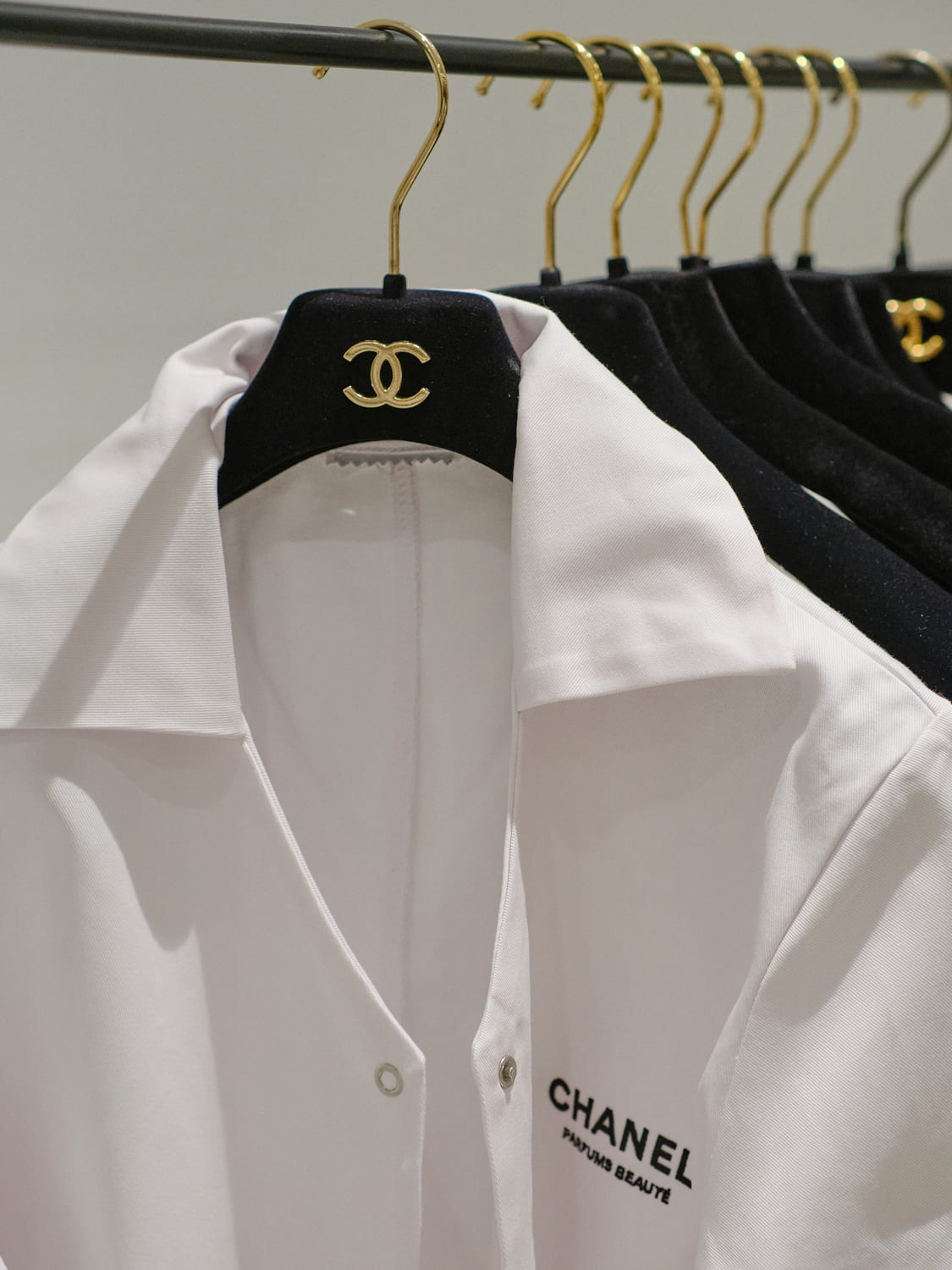
One cannot simply walk through the hallowed halls of a Chanel lab where real scientists conjure up magical vials of youth in a bottle without looking the part. So to ensure we look and feel like scientists for the day, we were each given a lab coat to wear, specially customised with our names.
Chanel has been in the beauty and skincare business since the 1920s, when founder Gabrielle “Coco” Chanel began creating beauty products that catered to the lifestyle of the modern woman. Some of the house’s current skincare lines include Sublimage, known for its luxurious formulas and regenerative properties around anti-ageing; Hydra Beauty, centred around hydration; Le Lift, targeting firmness and lifting and N°1 de Chanel, its new generation of holistic anti-ageing products.
AN INTEGRATIVE APPROACH TO BEAUTY
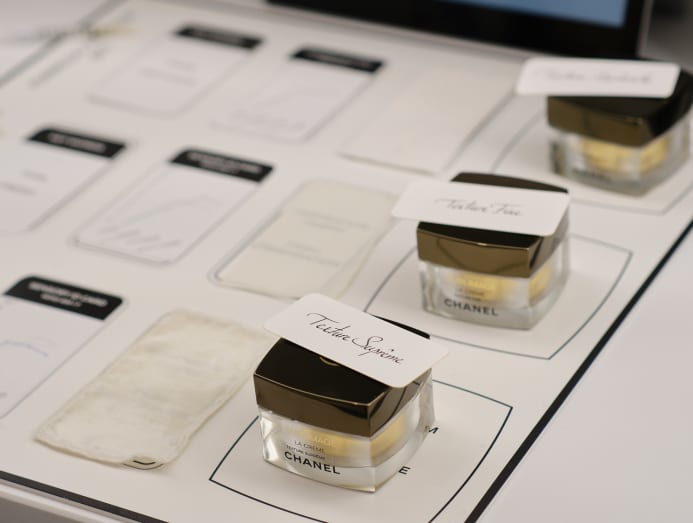
Back at the lab, I discover that the creams I am testing out belong to the Sublimage range. I am able to identify the Sublimage La Creme Texture Fine easily, described as fresh and as light as silk satin. Creme No 2 and No 3 – Sublimage La Creme Texture Universelle and Sublimage La Creme Texture Supreme – are a little harder to differentiate. While the former is described as thick, the latter is more “enveloping”, creating a rich, cocoon-like sensation on the skin.
Some people may have the misconception that Chanel Beauty is merely a designer-branded skincare line. But as I discovered on my visit to Pantin, every single product is scientifically and meticulously crafted.
Chanel's approach to skincare is guided by its “integrative beauty” strategy, stemming from a holistic vision by Gabrielle Chanel where a woman’s wellbeing, in body and mind, is fulfilled in harmony with her environment. It is "nourished by the past, linked with the present, and looks to the future".
“Integrative beauty, according to Chanel, is guided by an expert and virtuous approach,” Armelle Souraud, international scientific communication director at Chanel said in an opening speech. In addition, “it is based on an integrative network of scientists, partners, all over the world, all connected, at the service and excellence of Chanel creation”.
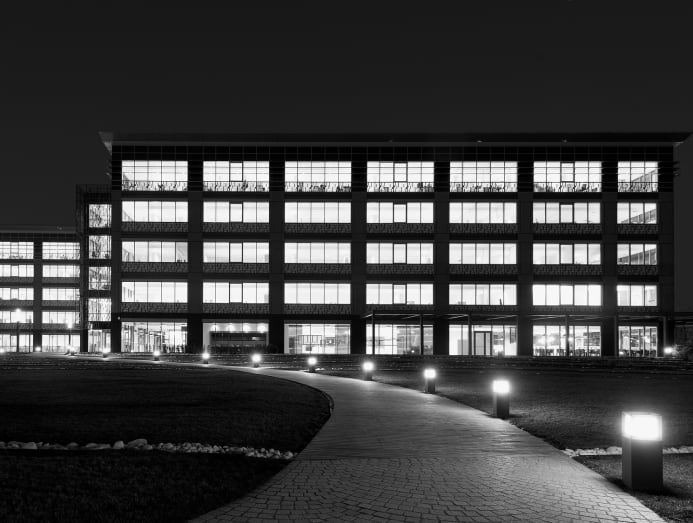
While the Pantin hub is at the core of this network, over time, four additional international centres of innovation, research and development have been opened by Chanel – in the US, Japan, South Korea and mainland China.
The latter three form Chanel’s “Asian hub”. Having a presence in these countries allows Chanel to understand the cultural context, current trends and beauty traits valued by consumers in each region, said Stephane Bureau, director of international centres and technological innovation.
Across these five sites, more than 300 researchers and artisans share their know-how and expertise. Chanel’s holistic vision for beauty also integrates partnerships with leading entities and start-ups in the industry, from Labskin’s 3D bio-printing for human skin, to Damae’s 3D medical imagery and Mycophyto’s mycorrhisation of plants.
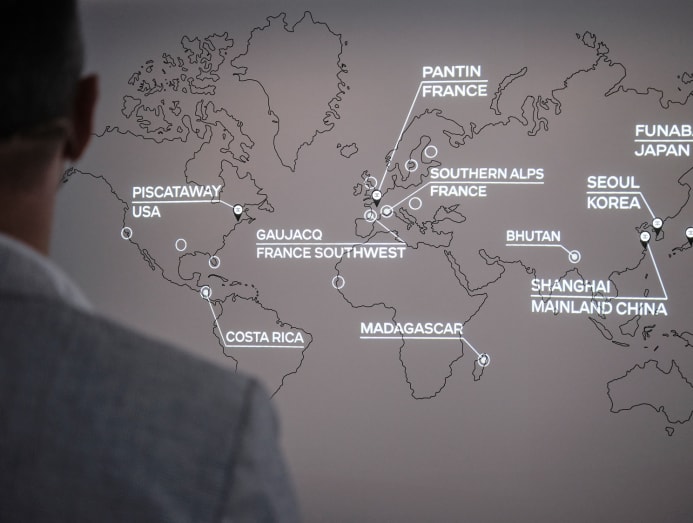
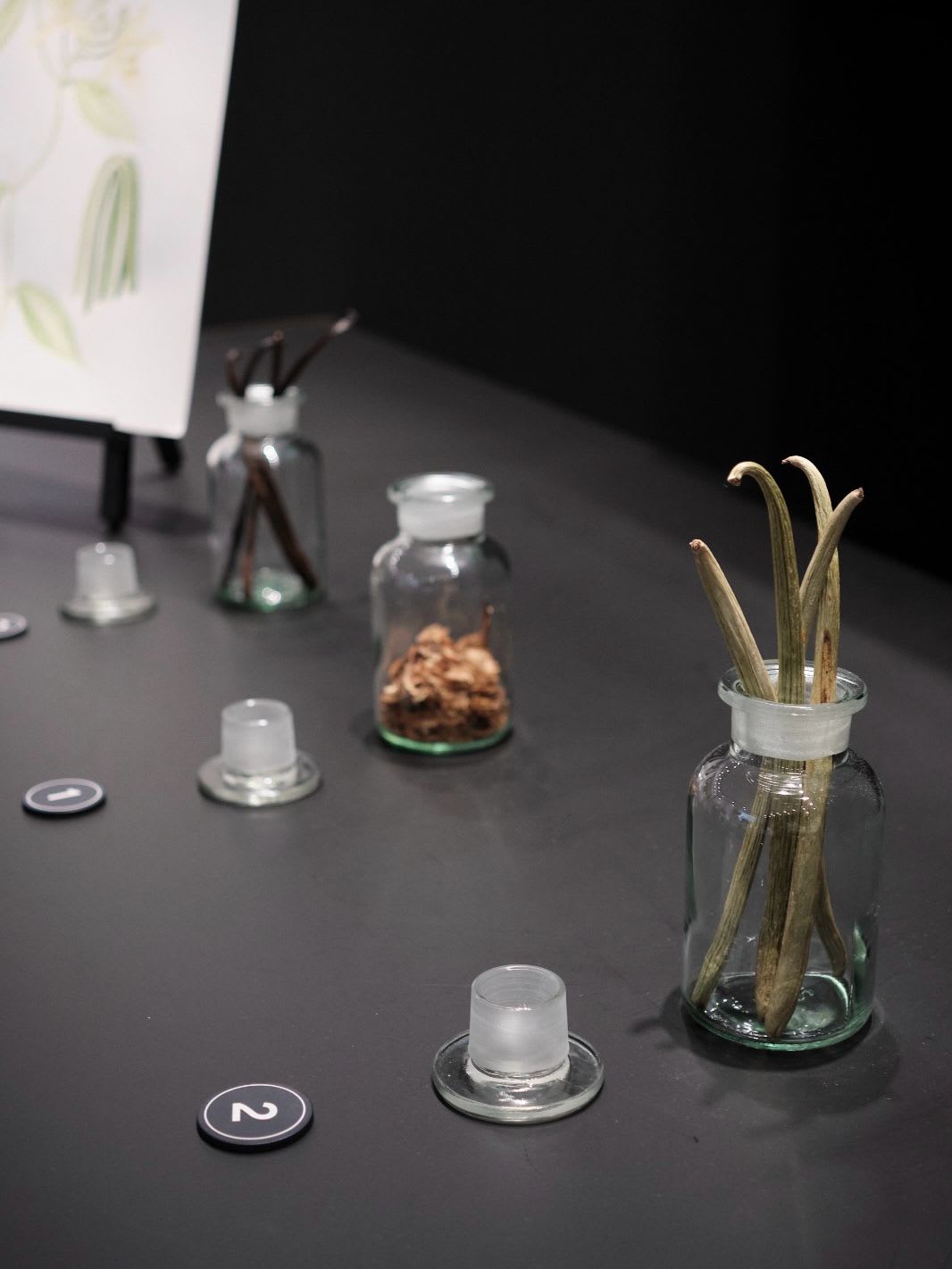
In addition, Chanel has five “open-sky” laboratories around the world, where the main active ingredients in its skincare products are harvested. In Madasgascar, for example, vanilla planifolia is cultivated, and in Bhutan, swertia is harvested. The other three open-sky labs are located in Gaujacq, the French Southern Alps and Costa Rica. These open sky laboratories are sites of experimentation for plant production, as well as social and environmental innovation.
PAST INNOVATIONS, MODERN INSPIRATIONS
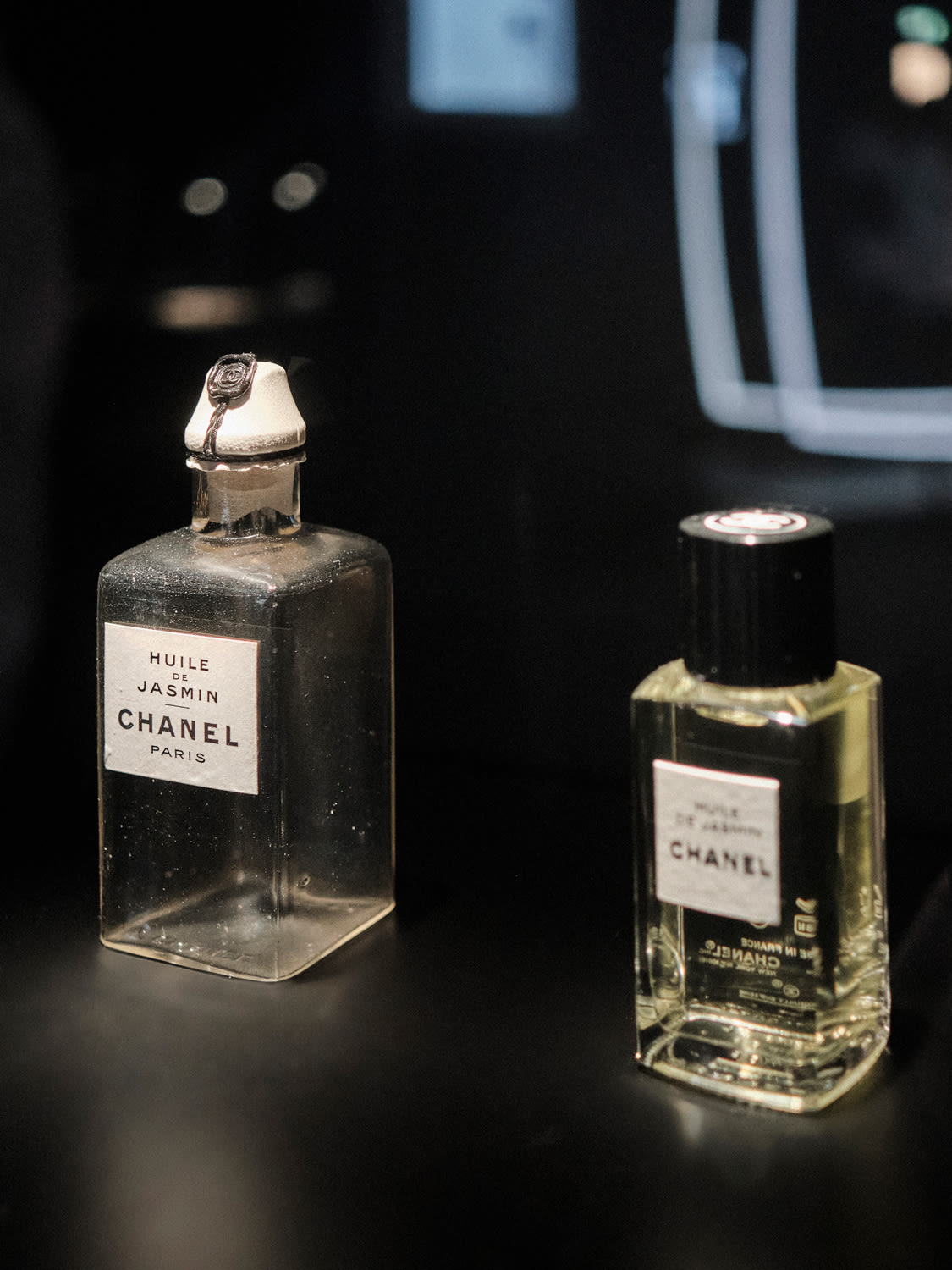
To understand Chanel’s modern day skincare philosophy, one must understand its origins. An archival exhibit of some of Chanel’s first few beauty and skincare products created by Gabrielle Chanel herself was specially set up for our visit. Despite the many decades that have passed since their creation, many of these products still exist till this day. Highlights included the first Chanel N°5 perfume from 1924, the first red lipstick launched that same year, a jasmine oil created in 1927 and more.
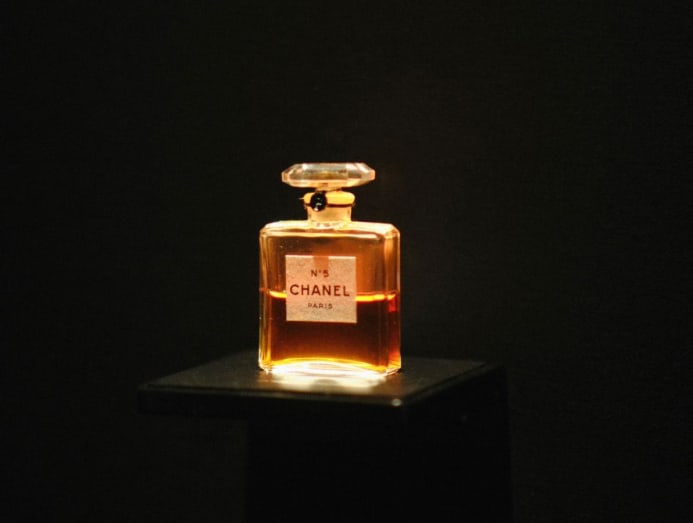
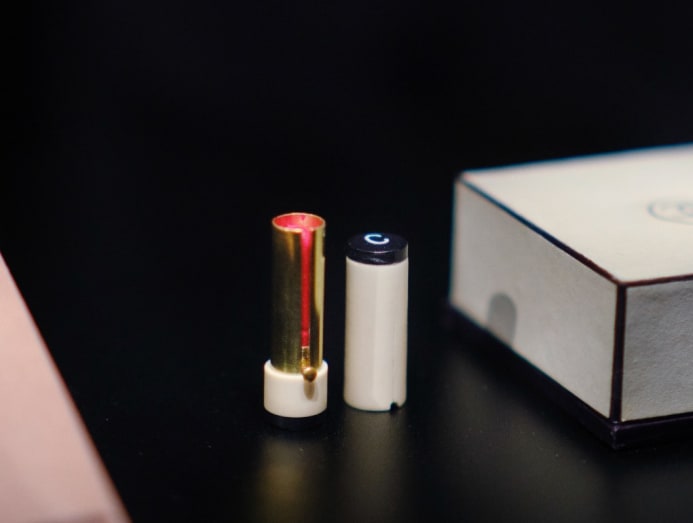
Now, there was no such thing as videos or social media back in the old days, and one of the interesting exhibits was a catalogue from the 1950s, created by Gabrielle Chanel herself to market her beauty products and teach women how to use them.
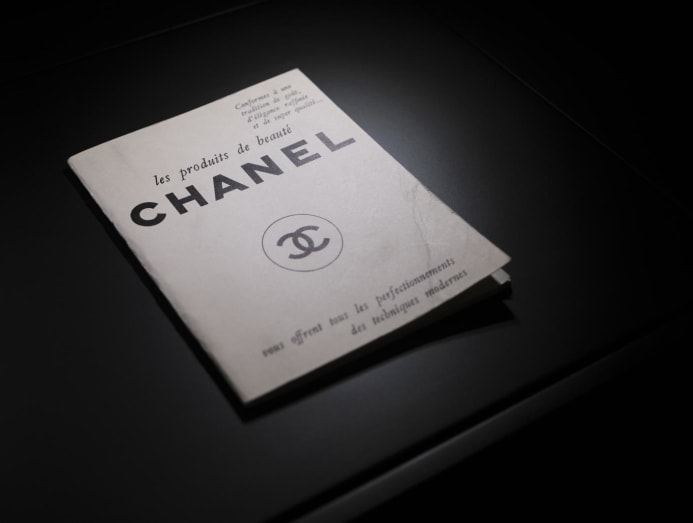
Gabrielle Chanel was certainly a woman ahead of her time, evident from the innovative products she launched. But what also struck me was the minimalistic design of the product packaging, which has now become iconic of the house. So modern was the design that a product from the 1950s won’t look out of place on a beauty shelf of today.
SENESCENCE? WHAT’S THAT?
As the hours went by and we went from room to room, I was starting to feel a bit like Alice wandering through a scientific wonderland. Then came the introduction to Chanel’s big word of the day – senescence. Perplexed, I wondered: What does "senescence" mean?
To put it simply, senescence refers to the phenomenon of cell ageing, in which cells age and stop dividing. This decreased ability to renew and repair can result in the appearance of ageing signs such as wrinkles, loss of skin elasticity, and changes in skin texture.
Chanel has been studying senescence for years; it is at the heart of its skin ageing research. Findings from this research have uncovered potent ingredients capable of combating senescence, which have been integrated into the brand’s anti-ageing products, in the Sublimage line as well as N°1.
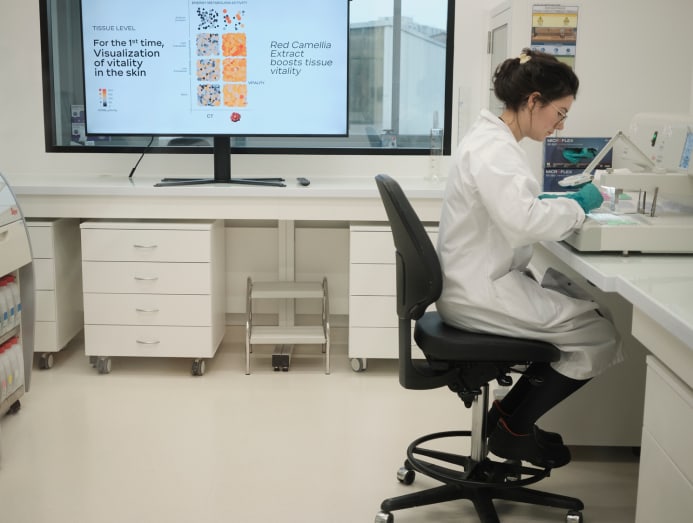
We took a peek at some scientists (yes, real ones!) at work, who were infusing Chanel’s active ingredients into skin samples. While senescence is a natural process that occurs, each person has their own cellular heritage, I learnt. Some develop senescent cells earlier, others at a more advanced age.
But this is also dependent on one’s lifestyle, with factors including UV radiation exposure, stress, diet and lack of sleep. I made a mental note to always wear sunscreen, and to bid adieu to late nights for much needed shut eye. "Beauty sleep” is a real thing after all.
FEEL GOOD, LOOK GOOD
Chanel believes that beauty begins with feeling good – and with that, Chanel Research was one of the first in the cosmetics sector to integrate a Sensory Evaluation Laboratory, first in France in 1993 and then in Japan in 2002. The goal is to understand the various effects that products can have on women. It takes years to develop a Chanel skincare product as each formula is given a unique sensory profile.
With that, one of the day’s activities included a visit to the neuroscience department, which evaluates people’s reactions to touch, texture and look of products. We were invited to test out a neurosensory device. Placed on the head, this device is capable of reading brainwaves that translate to one’s emotions. A little intimidated by the device (who knows how much it can actually read? One needs to have some secrets), I chose not to volunteer and instead watched as two participants gave it a go.
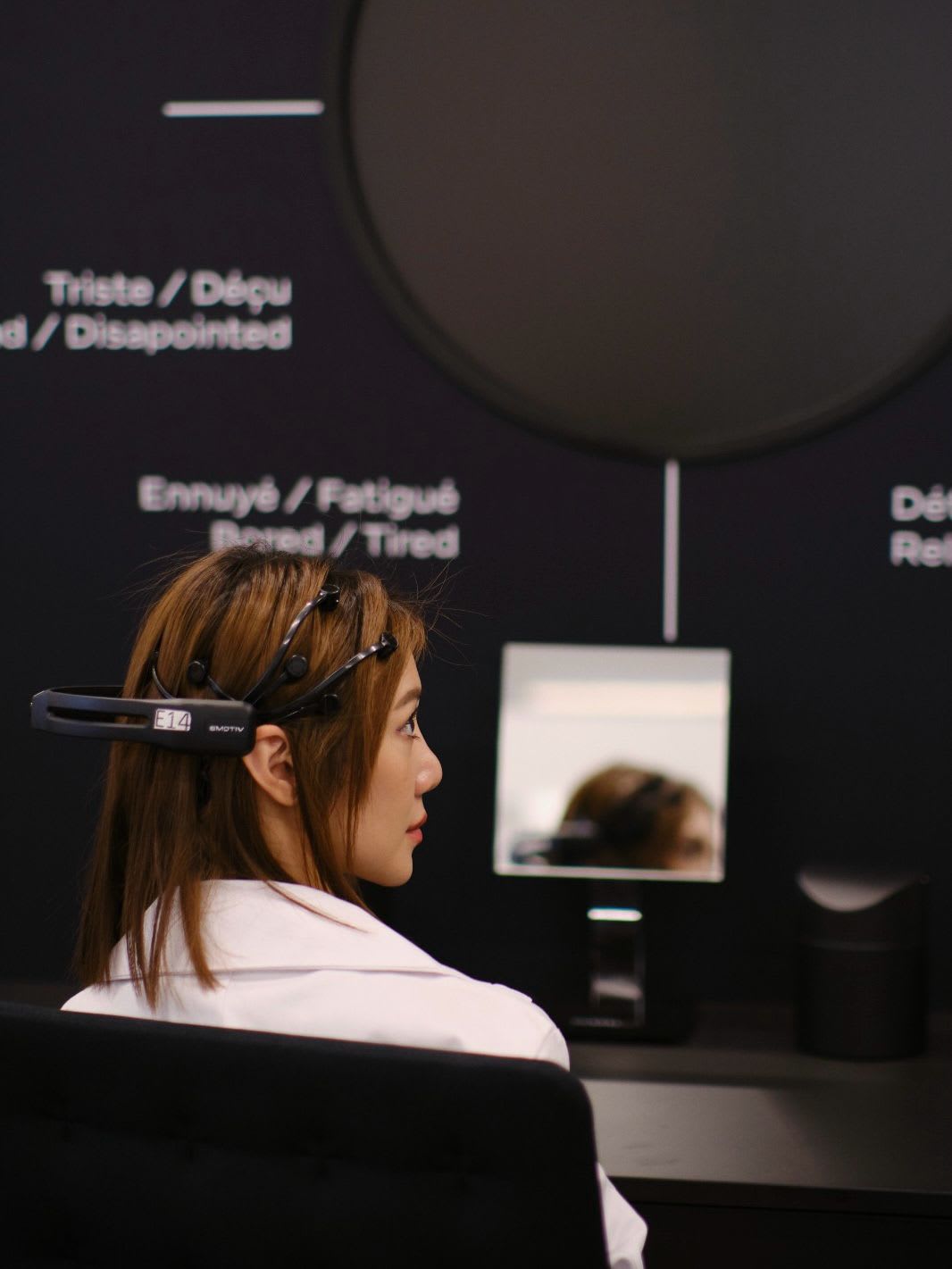
They were given two products to experiment with, one of which was a red lipstick. As Participant A swatched the lipstick on her hand, I watched as the dots on the screen moved to show her satisfaction with the product. The dots on Participant B’s screen however, migrated to show “upset” and “disappointed”, despite her insistence that she did, in fact, like the lipstick. That goes to show just how incredibly sensitive the device is. She could have been jetlagged and tired, or possibly nervous at the attention, explained Marie-Heloise Bardel, head of the neurosciences department at Chanel fragrance and beauty.
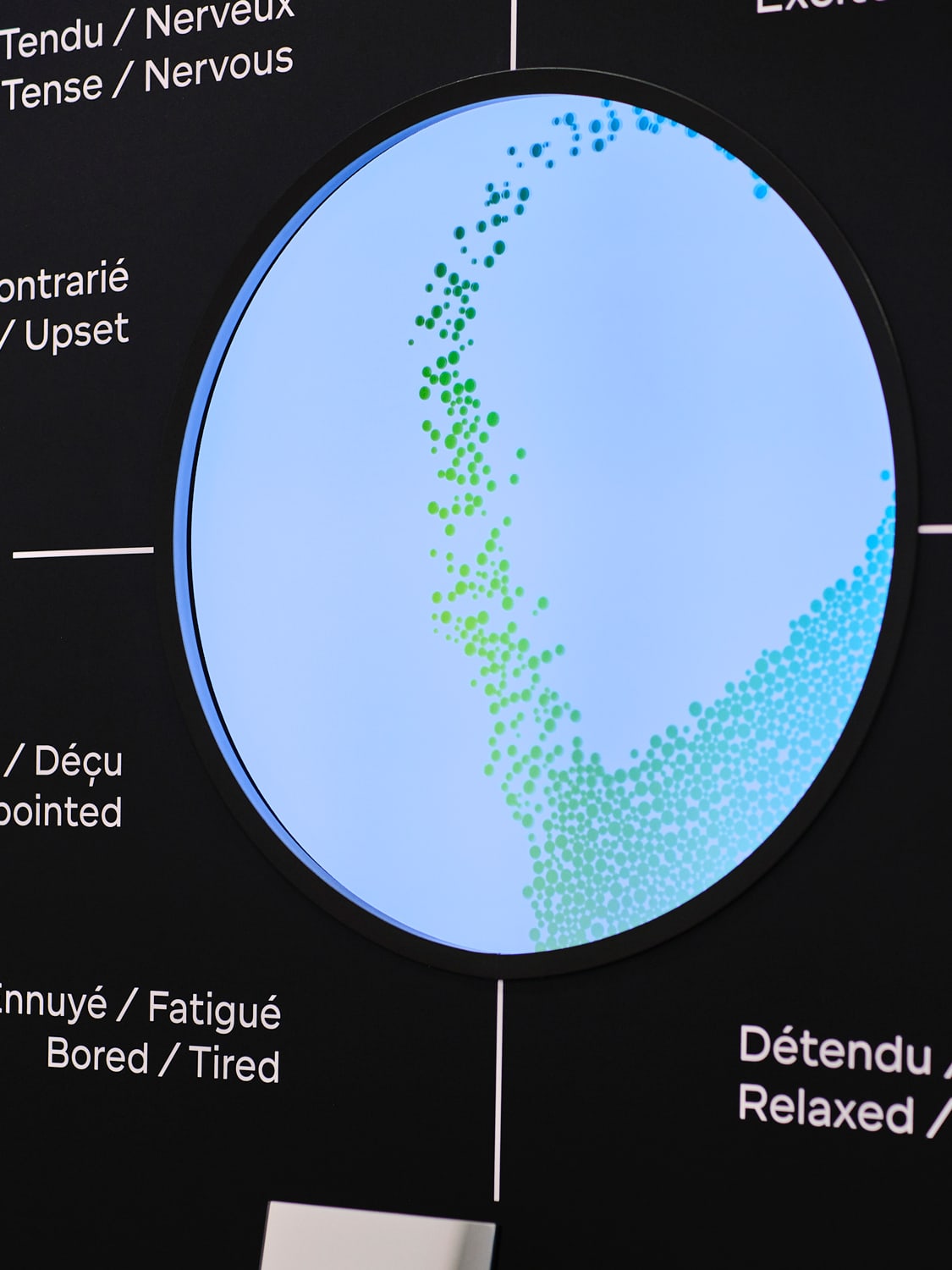
So sensitive is the device that Chanel requires those who participate in their tests to have an adequate amount of sleep the night before, added Bardel.
INTEGRATING BODY AND MIND
How can one enhance the clinical benefits of your beauty products? We were treated to a workshop detailing La Fascia De Chanel – the house’s exclusive stretching and massage technique developed in partnership with fasciatherapy expert Helene Bourhis-Bois. The fascia, Latin for band or strip, refers to the connective tissue that envelops the organs and muscles, and links each part of the human body. It is considered to be the largest sensory organ in the human body.
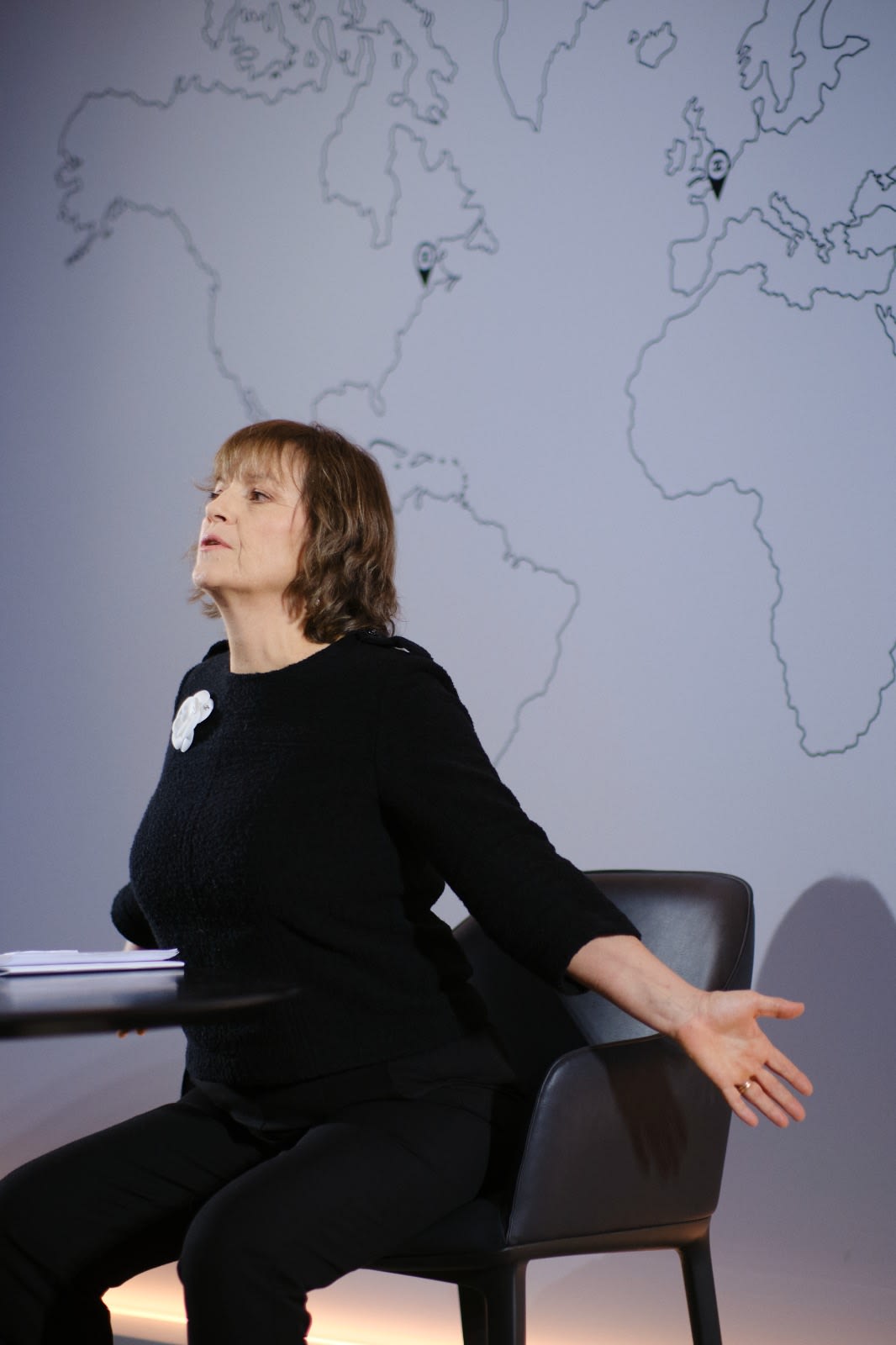
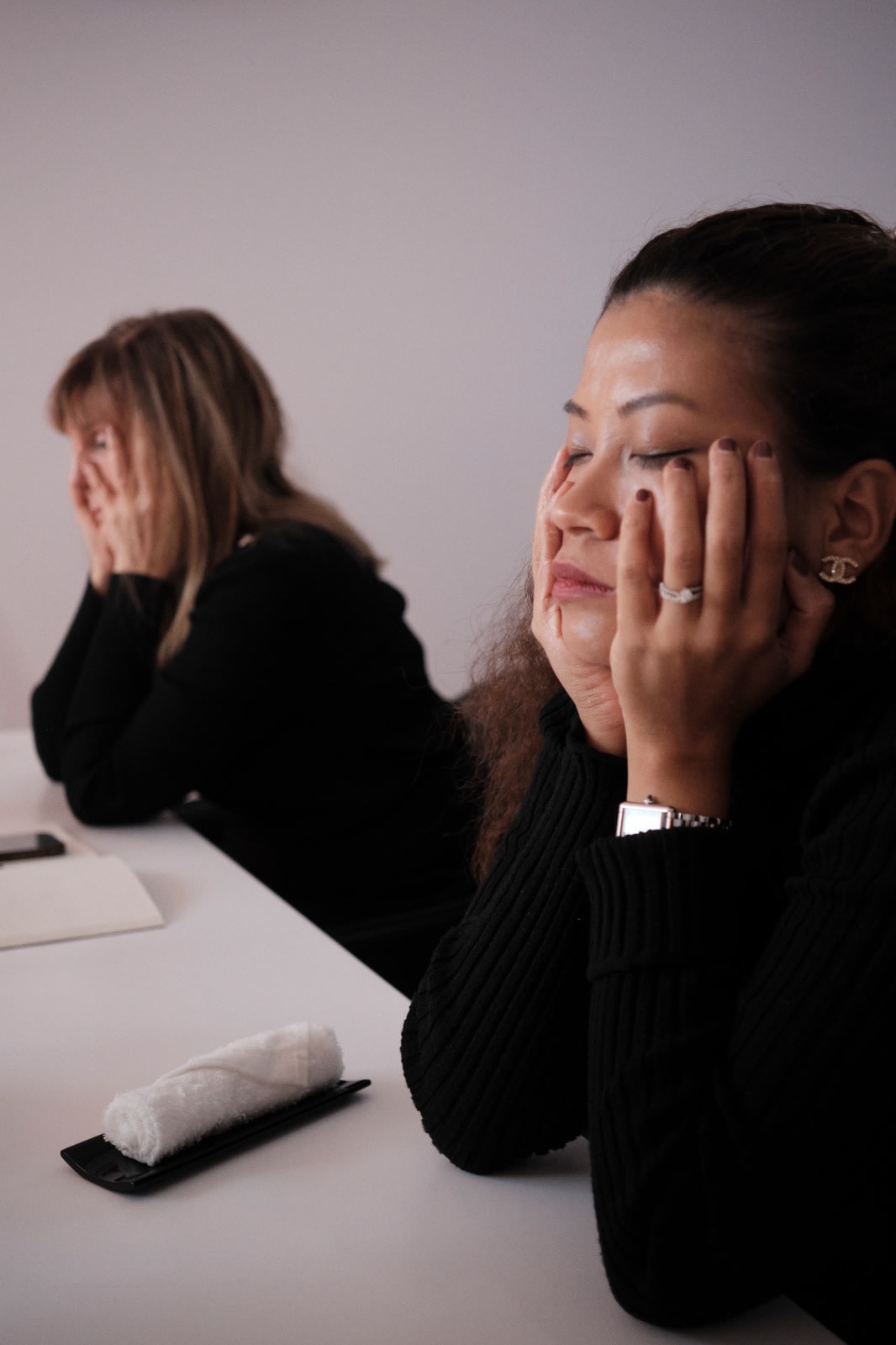
The La Fascia De Chanel technique starts off with posture, as we learnt how to stretch our back and neck muscles, followed by a slow, gentle massage and stretching of the facial fascia. This technique, conducted at Chanel Prive facial boutiques, is said to detoxify, rehydrate and smooth the fascia, allowing the skin to regain its radiance, tone and vitality. It also helps one to feel more relaxed, and thus was a nice way to wrap up a long day at the lab.
As we left Pantin and headed back to Paris, a quote by Gabrielle Chanel echoed in my mind: “The face is a mirror that reflects the events of your inner life. Take good care of it.” That's a nugget of wisdom I won't soon forget.
CNA Lifestyle was in Paris at the invitation of Chanel.