Clothing alteration 101: How to get clothes to fit better, repair jobs, how much to pay
CNA Lifestyle tapped Big Mama, a laundry and alteration chain for answers.
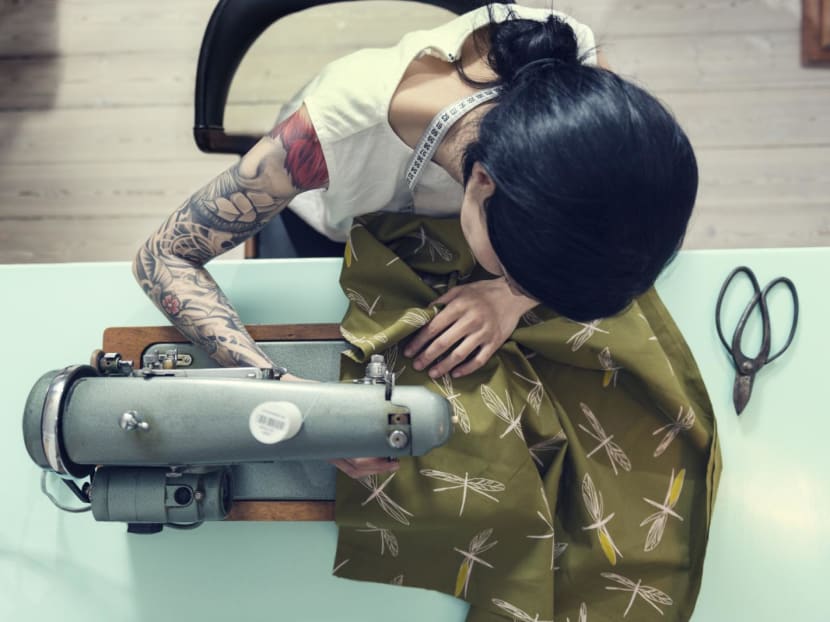
(Photo: iStock)

This audio is generated by an AI tool.
Buying clothes can be frustrating for some, especially for those who don’t fit into standard-sizing measurements. While S, M and L may accommodate the majority, not everyone falls precisely into those categories.
If you find yourself always having to deal with pants, skirts or tops that don’t fit well, these are surefire signs that you have a unique figure that is likely to be between sizes.
Thankfully, there’s (almost) nothing a little alteration work cannot fix. Short of having all your outfits tailor-made, a little nip and tuck to get clothing to fit you is sure to make a difference to how you’ll look and feel in them.
Loh Siew Ching, operations manager of Big Mama, an international chain that provides laundry and alteration services, tells CNA Lifestyle which clothing issues can easily be fixed.
HOW TO GET YOUR CLOTHES TO FIT BETTER
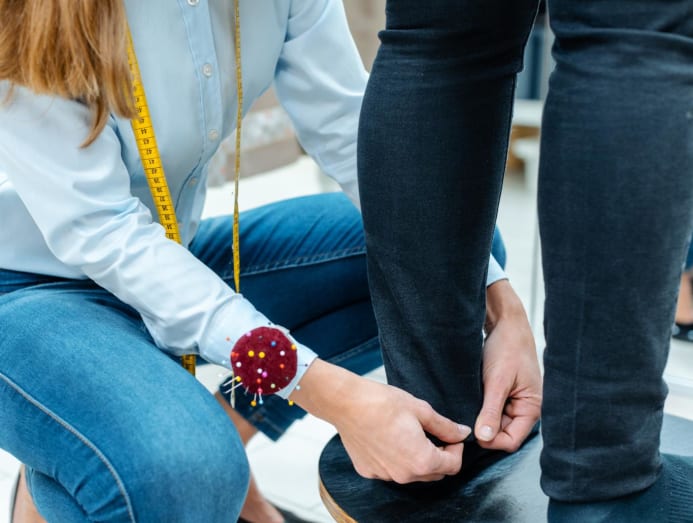
Adjust the length: One of the most highly requested alteration service is the shortening of hemlines. It is the simplest and most straightforward of alteration jobs, which can be done quickly for a small price.
Adjust the waistline: This is another frequently asked-for alteration for those who are between sizes. For the best fit, opt for a bigger size and then have the waistline taken in.
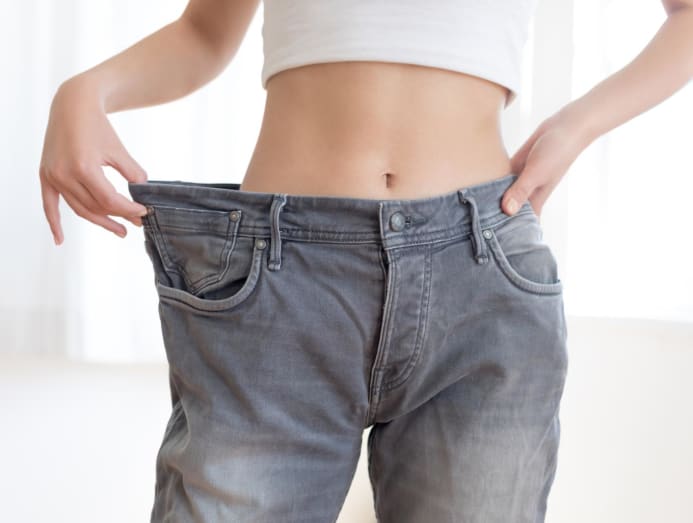
Extending the waistline, on the other hand, is a lot more complex and is only possible in certain cases – where there is sufficient seam allowance of at least two inches explained Loh.
“Alternatively, we can add extra fabric in a similar colour. While some customers are fine with us adding a different material as long as the colours match, we encourage customers to provide their preferred material. Those with specific preferences may need to source the exact material and then bring it to us for the alterations,” she said.
Shorten the sleeves: Shortening the length on a shirt is possible but extending their length may not always be achievable, unless there’s enough material to work with. When it comes to altering the sleeve length on blazers, there are even more limitations.
“For example, to shorten the sleeves while keeping the buttons in their original position, we must make the adjustments from the shoulder. In such cases, we suggest not shortening the sleeves beyond two inches, since going too short may distort the garment’s shape,” explained Loh.
Alterations for suits: When it comes to suit alterations, minor changes – such as adjustments to the blazer length and width – are possible, but don’t expect to be able to resize the garment.
OTHER FIXES THAT CAN BE DONE
Besides alterations to correct fit, there are also repair jobs that can be done that will allow you to get more mileage out of an old garment.
A collar refresh: Did you know that you can get the collar on a shirt “refreshed”? “Over time, shirt collars can become yellowish due to sweat stains, and frequent washing may cause small tears. In such cases, we typically reverse the collar inside out to give it a fresh, new appearance,” said Loh.
Fixing a broken zipper: It may not always be possible to remove the entire zipper from the garment, but if only the pull tab is damaged, that can be easily replaced.
Replacing buttons: “Replacing a single missing button can be tricky, and we may advise changing all the buttons on the garment to ensure a consistent look. We’ll try to find new buttons that match the original ones in size, colour and design, and will provide samples for customers to choose from. Alternatively, they can bring their own. However, there may be an additional charge for the extra work involved in accommodating special requests,” said Loh.
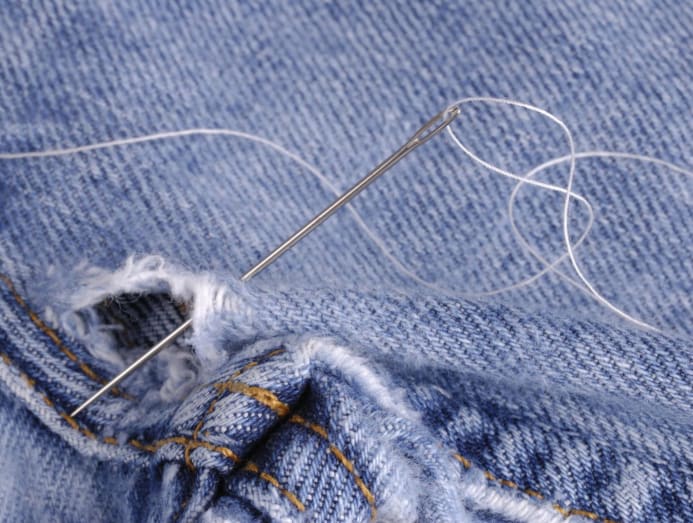
Sewing up tears and holes: Loh said that most types of tears and holes (except those on knitwear) can be mended, although the resulting look of the repair work will be dependent on the extent of the damage.
“Visible thread marks from making the repair, particularly on the front of garments, may not meet customer preferences. To address this, we offer the option of using cloth patches to cover holes. We also provide a seamless Japan repair technique, with which the hole will be completely invisible. Prices for this service start from S$250 per hole,” she added.
Fixing of loose stitches: Stitches on clothing, especially along hems, can easily become torn, either due to wear and tear, repeated washing, or if you accidentally snag them on something sharp. If left unfixed, the entire length of stitching may unravel. The cost of fixing this issue is usually dependent on the length of stitches that has to be redone.
OTHER FACTORS TO CONSIDER
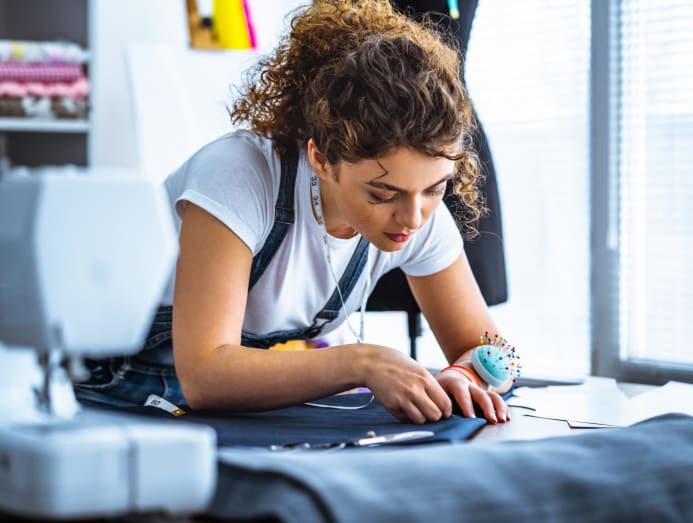
So why do some alterations cost significantly more than others? For example, replacing a button may only cost you S$10 while patching up a hole in the garment can set you back by S$250.
“It’s based on several factors, including the complexity of the work, whether the customer wants to maintain the original design or opt for a redesign, and the level of detail required for the alteration,” said Loh.
The material of the garment is yet another factor. “Materials like elastic, or fragile and thin fabrics such as silk are more difficult to work with due to their delicate nature, as alteration work may easily result in holes or sewing marks," she said.
"Similarly, leather-like fabrics present their own set of challenges, as previous sewing marks may show and it can be difficult to put stitches back into the original thread holes. Stretchable materials may also require special equipment. As a result, alterations involving these materials may incur additional fees."
Whether one considers alterations worth spending on or not may be subjective. But what you can’t argue with is the level of customisation that alteration brings to your clothes that instantly makes them fit better so you look and feel so much better.