Medical pedicure: How is it different from a normal pedicure and should you get one?
More than just about prettying up your feet, a medical pedicure can help to address issues such as ingrown toenails, nail fungus and calluses, or just to upkeep the health of your feet.
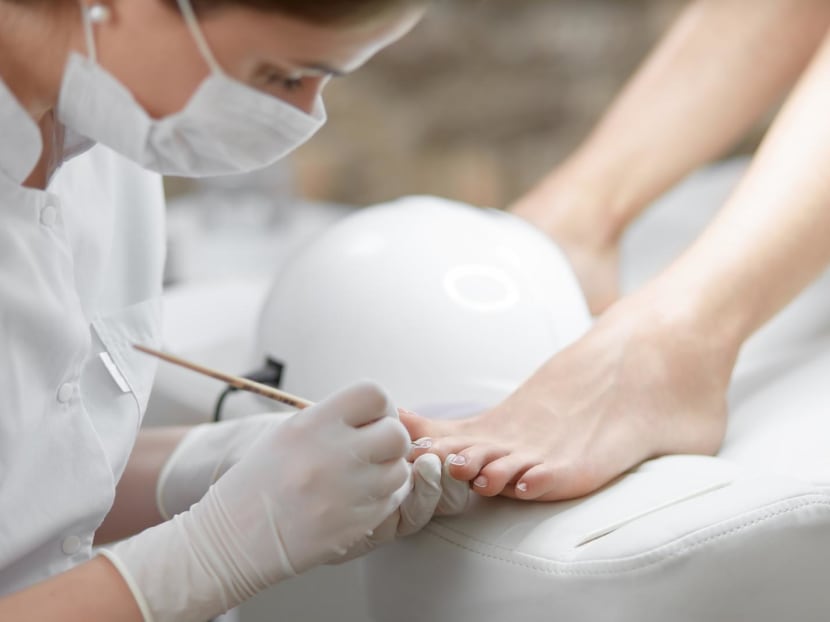
Have you heard of a medical pedicure? (Photo: iStock)
Despite our busy schedules, many women pencil in a regular pedicure in our full calendars because after a relaxing hour or so of a pedicurist pampering our feet by filing, buffing and painting, we emerge with pretty, resort-worthy feet that we can flaunt in slinky sandals.
But while pedicures are a common cosmetic procedure, not many people are as familiar with the medical pedicure. Until recently, that is.
If you are on TikTok, you may have discovered the wonders of the procedure, thanks to beauty influencer Cat Quinn who, just last month, posted footage of her experience trying a medical pedicure leaving her with satisfyingly smooth and callus-free feet. The video that showed the influencer’s feet getting expertly filed, shaved and buffed by a professional went viral, attracting much attention and curiosity about the procedure.
So what exactly is a medical pedicure? Soh Xin Jie, Principal Podiatrist at Atlas Podiatry explained: “A medical pedicure refers to a medical grade pedicure. It is a service performed by qualified podiatrists in a safe and sterile medical environment. Medical pedicures are not just to make the feet look good, but to examine the skin, nails and foot as a whole to understand why particular issues occur.”
The procedure is ideal for those who have conditions such as ingrown toenails, nail fungus and calluses or if you simply want to maintain the general health of your feet.
WHAT DOES A MEDICAL PEDICURE ENTAIL?
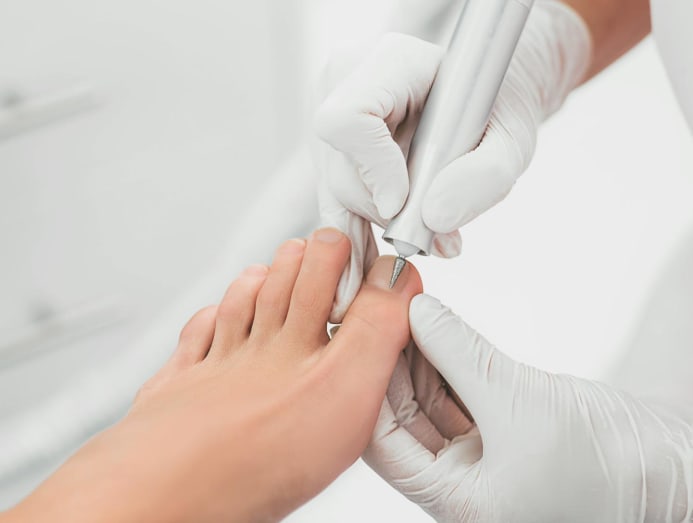
While a traditional pedicure is a beauty treatment that focuses on the aesthetics of the feet and is performed by a pedicurist, a medical pedicure goes beyond the aesthetics, emphasising hygiene, medical-grade sterilisation to treat and prevent foot problems.
During a medical pedicure session, the podiatrist will first assess the skin and nails for any abnormalities then discuss with the patient the concerns that she/he may have about their feet, skin and nails. The rest of the session is then tailored to the needs and specific concerns of the patient’s feet.
Those with underlying conditions like diabetes, autoimmune diseases and cancer should get regular medical pedicures to minimise the risks of cuts or infections.
“As it is performed by a podiatrist who is a foot specialist, a full assessment of the feet will be provided to ensure any underlying foot problems will be addressed during the appointment. The podiatrist will also provide education on how to manage those foot problems and recommend treatment options available,” explained Soh.
Not only are the treatments performed by medical professionals, the equipment that is used to remove hard skin and to clip, shape and buff nails are safe and sterile. Soh said that the procedure can include using clinical nail cutting techniques to prevent diseased, ingrown toenails or nail fungus, the removal of calluses or corns (hard skin), providing treatment for any issues with the feet, and education on how to prevent and manage any foot problems or concerns. But don’t expect nail polish or any form of artistic decoration as the focus is on the health of the feet over the aesthetics.
WHO SHOULD OPT FOR THE PROCEDURE?
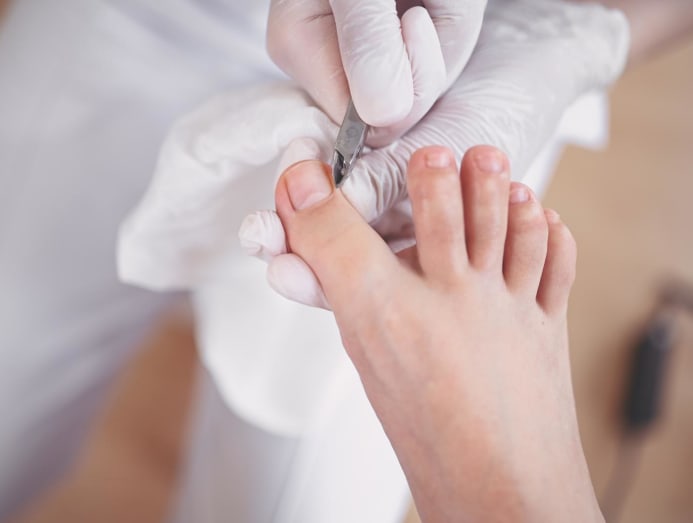
Those with underlying conditions like diabetes, autoimmune diseases and cancer should get regular medical pedicures to minimise the risks of cuts or infections. “You should definitely consider getting a medical pedicure if you have recurring ingrown toenail, fungal toenails, or unsightly toenails like thickened or split nails or calluses/corns that can be painful or uncomfortable when walking,” said Soh.
Don’t expect nail polish or any form of artistic decoration as the focus is on the health of the feet over the aesthetics.
But you don’t need to have a medical condition or an issue with your feet to opt for a medical pedicure. Just wanting healthier feet is good enough reason. As long as you spend a good amount of time on your feet, you’re a good candidate for one.
For those who have experienced getting an infection from tools that were not properly sanitised at a nail salon, you’ll know that it’s an unpleasant experience you would not want repeated. So if you want the assurance of getting your feet treated safely, a medical pedicure is probably a better option for you.
HOW OFTEN SHOULD YOU GET ONE?
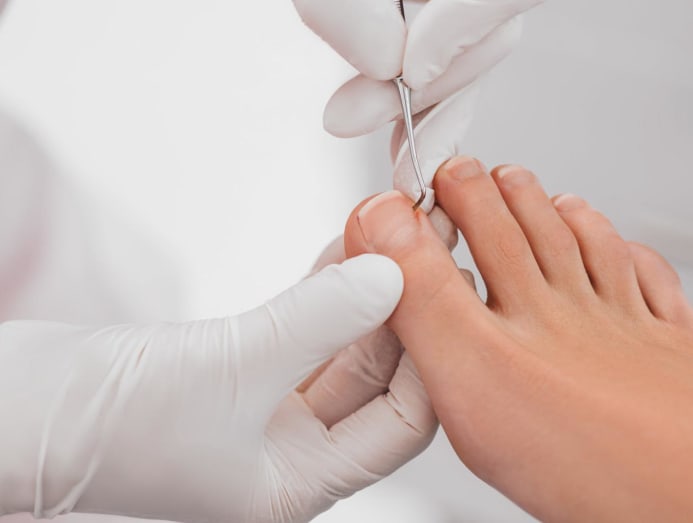
The regularity of your medical pedicure depends on your individual needs and condition but Soh said that most patients schedule a visit every six to eight weeks. As the treatment is non-invasive, there is no downtime.
A medical pedicure has preventative benefits because it not only helps to treat existing foot problems but can also prevent issues such as bunions, recurring ingrown nails and other foot abnormalities from occurring in the future. So if maintaining the health of your feet is important to you, keeping a regular appointment for a medical pedicure may be beneficial for your overall wellness.
Finally, if you’re wondering if the treatment is covered by insurance, this would really depend on your coverage. “It depends on the insurance company and limitation of your insurance policy that you have. It will be best to check with your insurance provider directly,” stated Soh.