Are you overloading your skin? What’s the right amount of skincare actives for real results?
Does the concentration of your skincare ingredients matter when it comes to achieving a healthy and youthful complexion? Yes it does, say skin experts. Here’s how much you should be using for the best results.
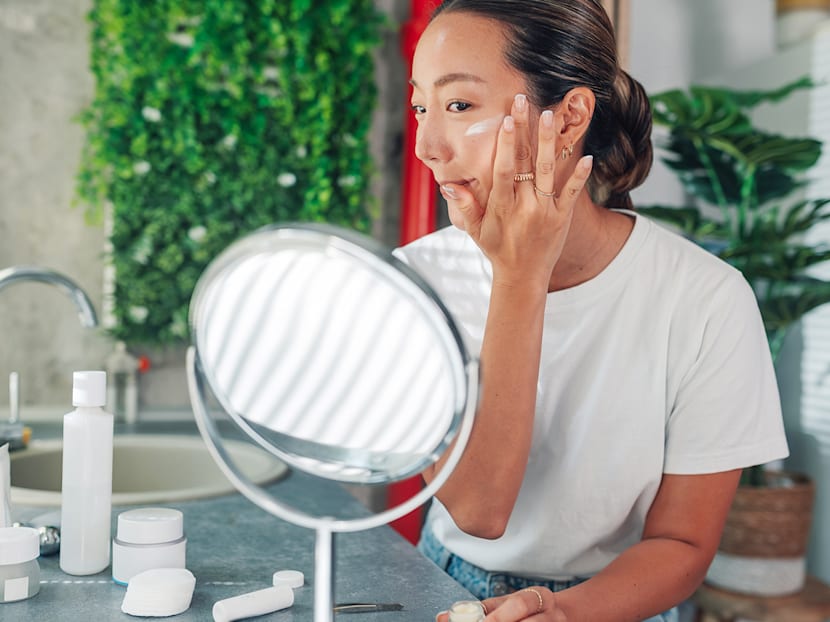
(Photo: iStock)

This audio is generated by an AI tool.


Wonder why your skin isn’t looking any better even after slathering copious amounts of skincare ingredients recommended for better skin? Shouldn’t you see results sooner rather than later?
“It’s a common misconception that higher concentrations always lead to better or faster results. In reality, skincare ingredients work best within a certain optimal range – beyond that, more can often mean more irritation, not more benefit,” explained Dr Angeline Yong, dermatologist at Angeline Yong Dermatology and founder of Sskins Medispa.
It’s important to remember that the skin is a living organ with a finite capacity to absorb and utilise the active ingredients it receives.
Skincare ingredients work best within a certain optimal range – beyond that, more can often mean more irritation, not more benefit.
A person with normal skin may be able to tolerate multiple active ingredients layered throughout the day, but for someone with sensitive skin or an impaired skin barrier – anyone suffering from eczema or rosacea – high concentrations of active ingredients can irritate or damage the skin barrier further without offering additional benefits, added Dr Stephanie Ho, dermatologist at Stephanie Ho Dermatology.
Thus, applying the right amount is imperative because too little will not provide the optimal therapeutic benefits, while too much can overwhelm the skin, damaging it, resulting in dryness, redness, flaking and inflammation.
MAXIMISING YOUR SKINCARE EFFICACY
So what is the right amount? “The goal is consistency and tolerance, not intensity,” said Dr Ho.
1. Vitamin A (retinol and retinoid)
Optimal concentration: 0.25 – 0.5 per cent for retinol; 0.025 – 0.05 per cent for retinoid, depending on skin type.
Application: A pea-sized amount for the entire face, twice to three times a week at the start, increasing to nightly if the skin is able to tolerate it.
Best time: Only at night as retinoids break down under UV and can make skin more sun-sensitive.
Potential side effects: Retinoid dermatitis (dryness, flaking, redness and a burning sensation)
2. Vitamin C (L-ascorbic acid, sodium ascorbyl phosphate and magnesium ascorbyl phosphate)
Optimal concentration: Ten to 20 per cent for most skins and 5 to 10 per cent for sensitive skins. Anything above 20 per cent doesn’t necessarily improve efficacy.
Application: A thin, even layer for the face.
Best time: Mornings to boost your sunscreen’s UV protection and fight daytime free radical damage.
Potential side effects: Stinging, redness, dryness and even breakouts from overly acidic or high-strength formulations, especially over 20 per cent.
3. Alpha Hydroxy Acids (glycolic acid, lactic acid and citric acid)
Optimal concentration: Five to 10 per cent as a daily leave-on and up to 20 per cent for weekly exfoliating treatments.
Application: A 20-cent coin-sized amount applied in a thin, even layer; avoiding around the eyes and mouth, which can be more sensitive.
Best time: At night as it can increase sun sensitivity during the day.
Potential side effects: Over-exfoliation can lead to skin tightness, peeling or micro-tears, heightened sensitivity and increased risk of hyperpigmentation.
4. Beta Hydroxy Acids (salicylic acid)
Optimal concentration: 0.5 to 2 per cent for most skins.
Application: Two to three times a week initially, increasing to daily or every other day. In addition, start at the affected areas (clogged pores and breakouts) or over oilier areas such as the forehead or nose, before extending to the rest of the face.
Best time: Either morning or night.
Potential side effects: Excess dryness, irritation and peeling, especially around the nose and mouth. In darker skin tones, it may also trigger post-inflammatory hyperpigmentation. In addition, combining multiple exfoliants, such as BHA with AHA and retinol, can compound irritation risk.
5. Niacinamide
Optimal concentration: Five per cent, though sensitive skins should opt for 2 to 3 per cent.
Application: One pump or four to five drops for full-face coverage.
Best time: Morning and night.
Potential side effects: While generally well-tolerated, however, too much can over-stimulate the skin and disrupt its natural pH balance.
Caution: Concentrations above 10 per cent can cause flushing, itching or irritation, especially in sensitive skins.
6. Hyaluronic Acid
Optimal concentration: One to 2 per cent. Look for multiple molecular weights of hyaluronic acid for best results.
Application: One to two pumps onto damp skin to boost hydration effects.
Best time: Twice daily.
Potential side effects: Though inherently gentle, using too much without proper hydration (that is, sealing with moisturiser after) can paradoxically dehydrate the skin as it’s a humectant that can pull water from the deeper skin layers when skin is dry.
7. PDRN
Optimal concentration: 0.5 to 1 per cent, which translates to 5,000ppm to 10,000ppm.
Application: One pump for the whole face after cleansing and before moisturiser.
Best time: Nightly to support skin repair. Also ideal for post-aesthetic treatment recovery too.
Potential side effects: Overuse or unregulated concentrations may lead to congestion or temporary breakouts due to its regenerative property.
5 MORE FACTORS TO CONSIDER TO BOOST SKINCARE EFFICACY
1. Formulation
Besides the active ingredients, a well-formulated product also takes into consideration its pH level and supporting ingredients.
For instance, Vitamin C requires a low pH formula and stable form for optimal efficacy, said Dr Ho.
And acids or retinol and retinoic acids should be paired with soothing ingredients, such as niacinamide, glycerin and panthenol to help reduce the risk of irritation.
2. Delivery system
Skin consists of three main layers – epidermis (where the skin barrier is), dermis (where collagen and elastin fibres are) and hypodermis (which the fat cells are). For skincare to work optimally, active ingredients need to be delivered to the appropriate layer. For instance, retinol works best at the skin's dermis while Vitamin C better protects the skin against free radical damage at the epidermis.
And to help these ingredients penetrate effectively into the skin, look for encapsulation technologies, liposomes or time-released systems that can deliver potent ingredients like retinol or PDRN to where they're needed while minimising skin irritation.
3. Ingredient compatibility
While niacinamide paired with retinol is beneficial for skin clarity, not every ingredient works well together. For instance, strong acids like AHAs and BHAs should be avoided when using vitamin C or retinoids because not only can they irritate the skin, in fact, when strong ingredients are paired together, they can also reduce the effectiveness of both actives as well.
4. Packaging
Some actives, especially Vitamin C and retinol, can degrade and become unstable when exposed to light, air or heat. Choose opaque, airtight packaging and keep your product in a cool, dry area to ensure the ingredients continue to deliver effective results for longer.
Alternatively, consider formulations that can be mixed upon application to improve the product’s longevity, said Dr Ho. The Clarins Bright Plus Fresh Ampoule comes in four small vials. It uses a unique two-layer formula, which contains 10 per cent pure ascorbic acid in powder form and a 5 per cent vitamin C derivative, that mixes together on application to ensure freshness at every application.
5. Skin type
Choose formulations suited for your skin type because oily, acne-prone, dry or sensitive skins all respond differently to the same concentration.
Ultimately, “the best skincare isn’t about chasing the highest percentage – it’s about the right ingredient, in the right formula, for the right skin,” said Dr Yong.
And keeping all these in mind will ensure that your skincare will address your skin issues effectively to help you achieve healthy and youthful looking skin.
6 SKINCARE PRODUCTS FOR HEALTHY, YOUTHFUL SKIN
Paula’s Choice 2% BHA Exfoliating Pads, S$23
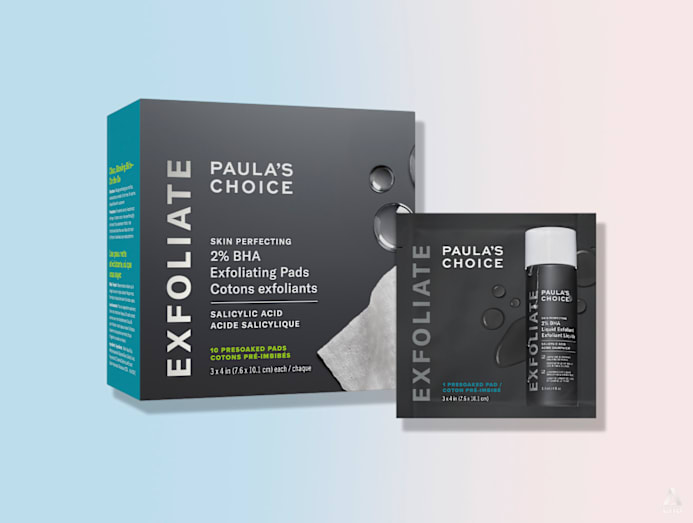
Fuss-free and easy-to-use, these exfoliating pads are infused with salicylic acid to combat breakouts by helping to unclog pores and control excess sebum. Paired with antioxidant-rich green tea extract, it calms the skin while soothing the skin barrier to reduce risk of irritation.
Available at www.paulaschoice.sg.
Anua Niacinamide 10 TXA 3 Serum, S$32
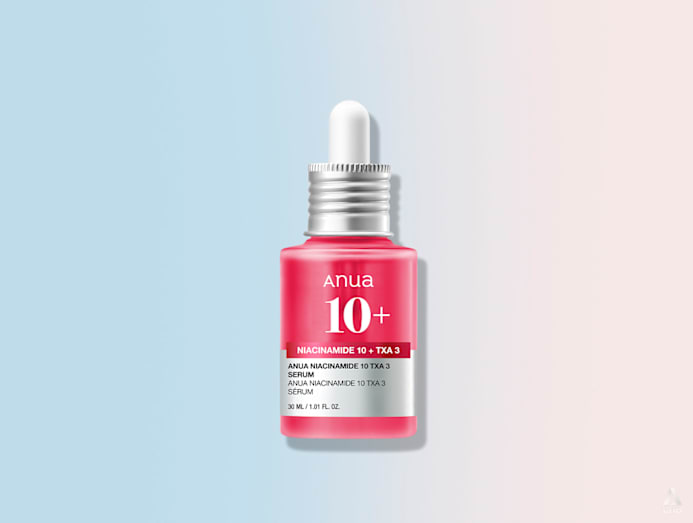
Enriched with 10 per cent niacinamide and 3 per cent TXA (tranexamic acid), this serum brightens the complexion, improving skin tone and clarity. In addition, hyaluronic acid, polyglutamic acid and ceramides help deeply hydrate and soothe the skin, leaving it soft and supple.
Available at Sephora stores.
Medicube PDRN Pink Peptide Glow Serum, S$35
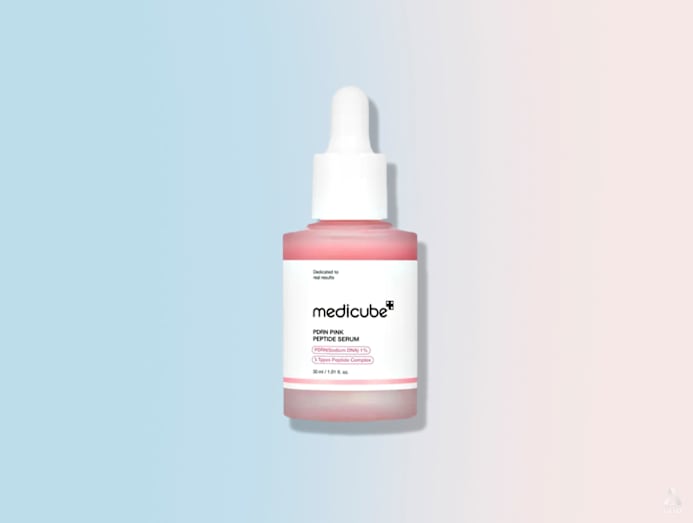
Keep signs of ageing at bay with this K-beauty fave. Formulated with a 10,000ppm concentration of PDRN as well as hyaluronic acid, niacinamide and peptides, it enhances skin’s elasticity while strengthening its barrier to achieve a radiant and resilient complexion.
Available at Guardian stores.
Uriage Hyseac New Skin Serum Anti-Blemish Booster, S$59.90
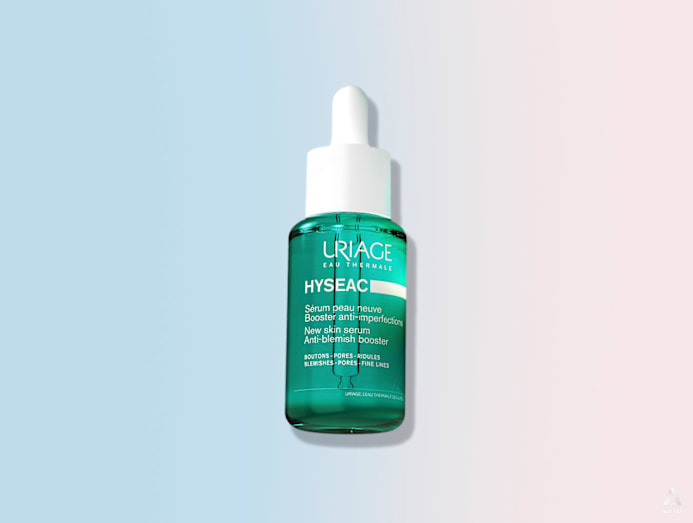
Keep complexion blemish-free. The serum contains 5.8 per cent Alpha Hydroxy Acids together with zinc and the brand’s renowned Thermal Water to help balance the skin for a healthy and clear complexion.
Available at Guardian and Watsons stores.
Allies of Skin 0.1% Retinal & Peptides Advanced Repair Night Cream, S$182
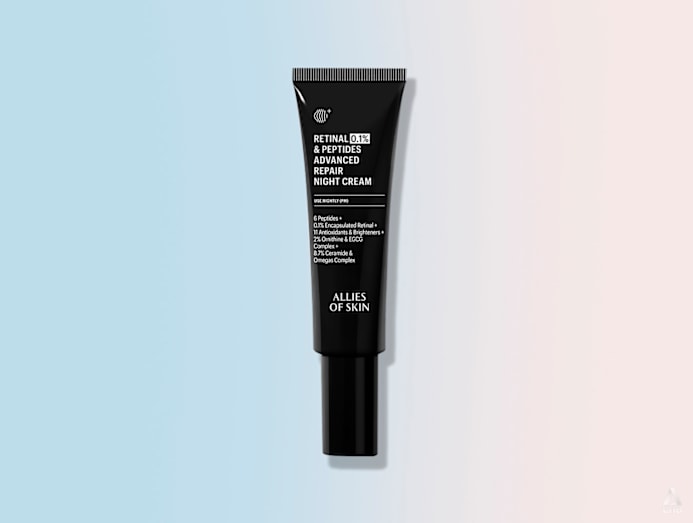
An anti-ageing moisturiser packed with 0.1 per cent encapsulated retinal alongside a blend of peptides, ceramides and antioxidants to reveal a smooth and youthful looking complexion in the morning. Effective in addressing visible signs of ageing – fine lines, wrinkles and enlarged pores, while gentle enough to use daily.
Available at www.sg.allies.shop.
Skinceuticals C E Ferulic Vitamin C Serum, S$285
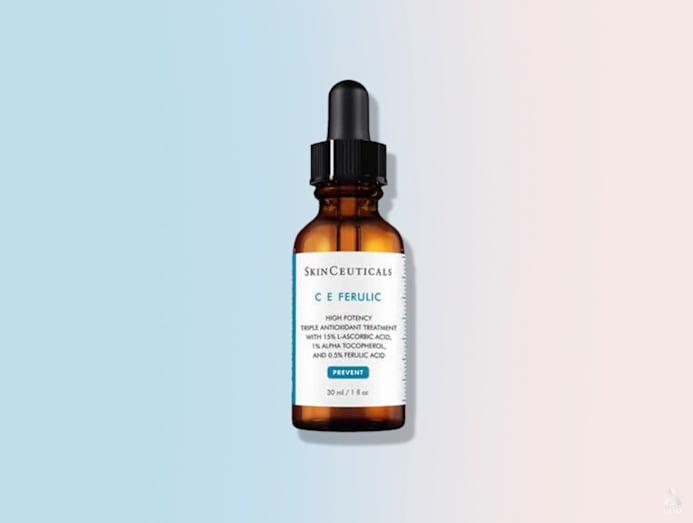
Protect skin against environmental stressors while addressing the signs of ageing, including lines and wrinkles, loss of firmness and dullness, with this power-packed serum. Its secret? A blend of 15 per cent pure vitamin C, vitamin E and ferulic acid.
Available at official Skinceuticals store on Lazada.sg