Is Melaka still worth visiting despite the crowds? Here’s when to go and what to see
Timing has become the new luxury in Malaysia’s heritage city, with one weekday standing out as the jewel.
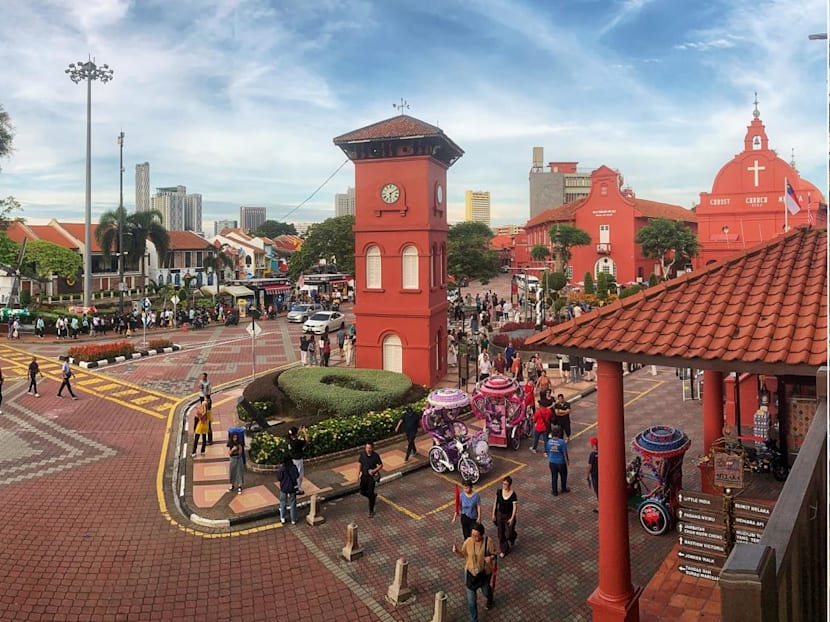
Melaka's Red Square. (Photo: David Ngiau)

This audio is generated by an AI tool.
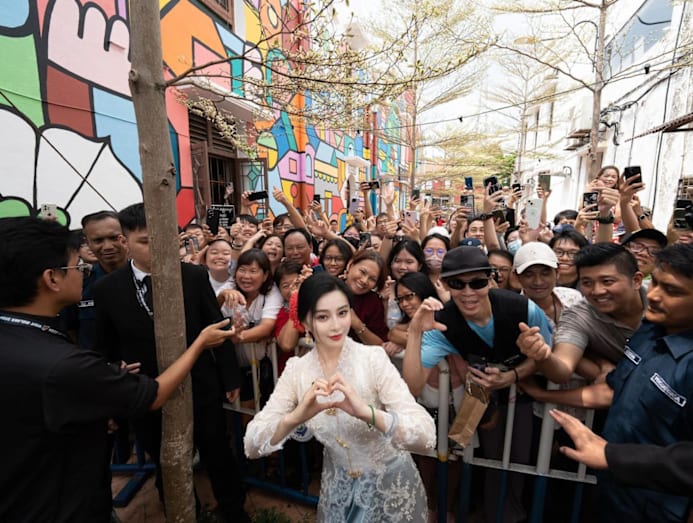
In 2024, Melaka’s tourism was supercharged by a Visit Melaka Year campaign with Fan Bingbing as an ambassador. The megastar actress from China visited Melaka in June that year – resulting in 1.5 billion tourism campaign impressions on WeChat and more than 320 million searches for Melaka on Weibo.
Cruise ships from Genting’s Resort World Cruises (operating out of Singapore) also began calling at Melaka in November that year. A month later, Melaka’s tourism authorities recorded 13.5 million tourist arrivals, nearly 82 per cent up from 2023. And hosting the World Tourism Conference in September last year has kept up the momentum.
Naturally, the tourism boom is a double-edged sword. The chief appeal of this UNESCO Heritage Site is its historical significance and (once) quiet charm, but you’ll be hard-pressed to find moments to breathe in the city that’s inundated with tourists these days.
Time your trip on a Tuesday if possible. While some shopkeepers report having busy days, most say it’s not as frenetic as other weekdays. Needless to say, Friday-to-Sunday weekends have traditionally been busiest, and it’s a lot worse these days. Mondays and Tuesdays are usually when cities breathe easier after weekends, but the former isn’t as great for Melaka thanks to cruise ship arrivals.
As for the time of year, be mindful of school holiday periods for both Malaysia and Singapore, and the year-end also generally sees more tourists visiting from northern-hemisphere countries experiencing winter.
Melaka’s booming popularity might now be at odds with the visitor experience, but it’s still worth visiting if you’re armed with proper intel. Here’s a short guide to show what makes this city so special and still worthy of a stay.
1. THE HERITAGE TRAIL
The historical significance of Melaka can’t be understated. The Malacca Sultanate, established circa 1400, is widely considered the first established kingdom-state on the Malay Peninsula. It solidified Islam and the Malay identity, with the use of Arabic titles such as “Sultan” for rulers becoming widespread within the 15th century.
Melaka was also key to the Chinese presence in Southeast Asia, beginning with Admiral Zheng He’s establishing formal ties between the Malacca Sultanate and the Ming Dynasty. The descendants of the Chinese who settled in Melaka and other Straits settlements later are today the Peranakan. And while there was no mass migration as during the British colonial era, Indians first arrived in Malaya as traders who set up in Melaka, which was a trade hub under the Malacca Sultanate.
Melaka is also where globalisation (via colonial expansionism) got its first foothold in our region when the Portuguese arrived and then sacked the city in 1511 after a “disagreement” with the Malacca Sultanate. The role of resident Chinese and Indian traders in that takeover is just wild; you should go read up on that.
Exit the Portuguese, enter the Dutch, and later the British arrived to take over, thanks to timing with the birth of the steam engine and greater technology. It was all luck of timing that we’re now conversing in English the world over, things could’ve been very different.
RED SQUARE
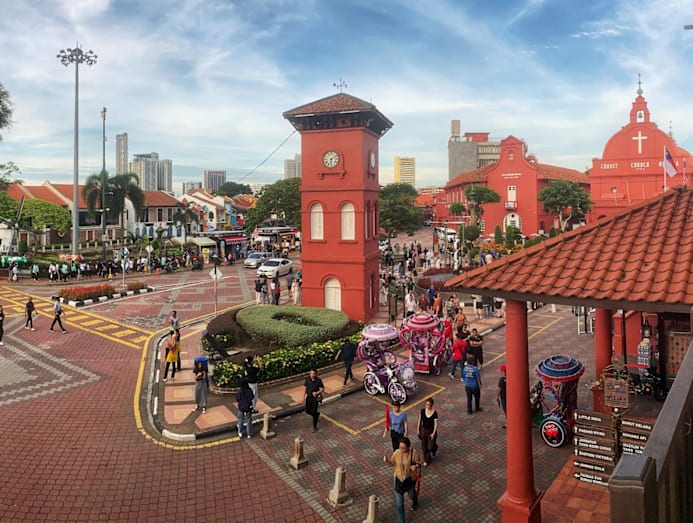
The historic (and tourism) centre of Melaka is the Red Square, bounded by centuries-old buildings all in, you guessed it, red. Dominating the square is the Stadhuys, erected by the Dutch in 1650 and still serving as the state’s administrative centre. Nearby is the Christ Church Malacca, also built by the Dutch in the mid-1700s.
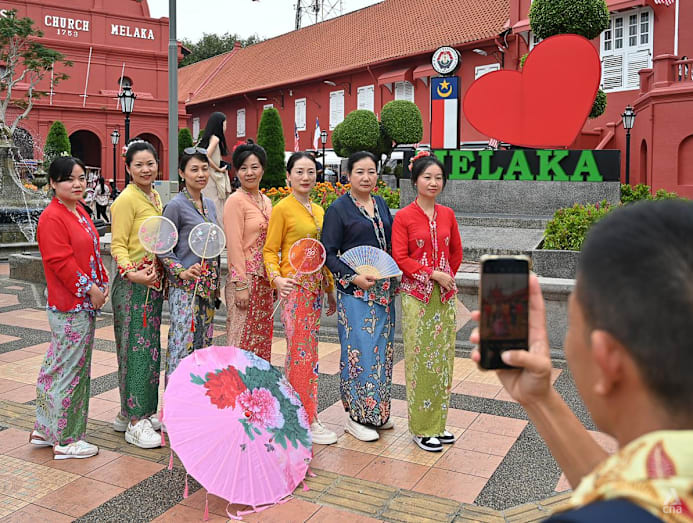
On a busy day, tour coaches deploy their troops of tourists onto the Red Square. It’s still all good, quite an atmosphere, though I personally head there in the early hours after dawn to soak it all up.
Behind the Stadhuys is the Malacca Museum, the one you have to visit if you only do one museum while in Melaka. There’s a memorial to Zheng He, who was a Chinese Muslim from Yunnan, on its grounds.
ST PAUL’S HILL
Just south of Red Square is the 240m-high St Paul’s Hill, a gentle 10-minute climb from near the Melaka Museum.
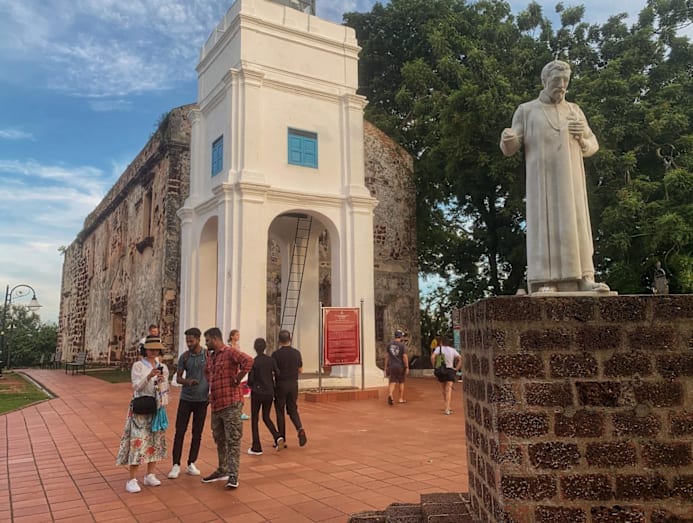
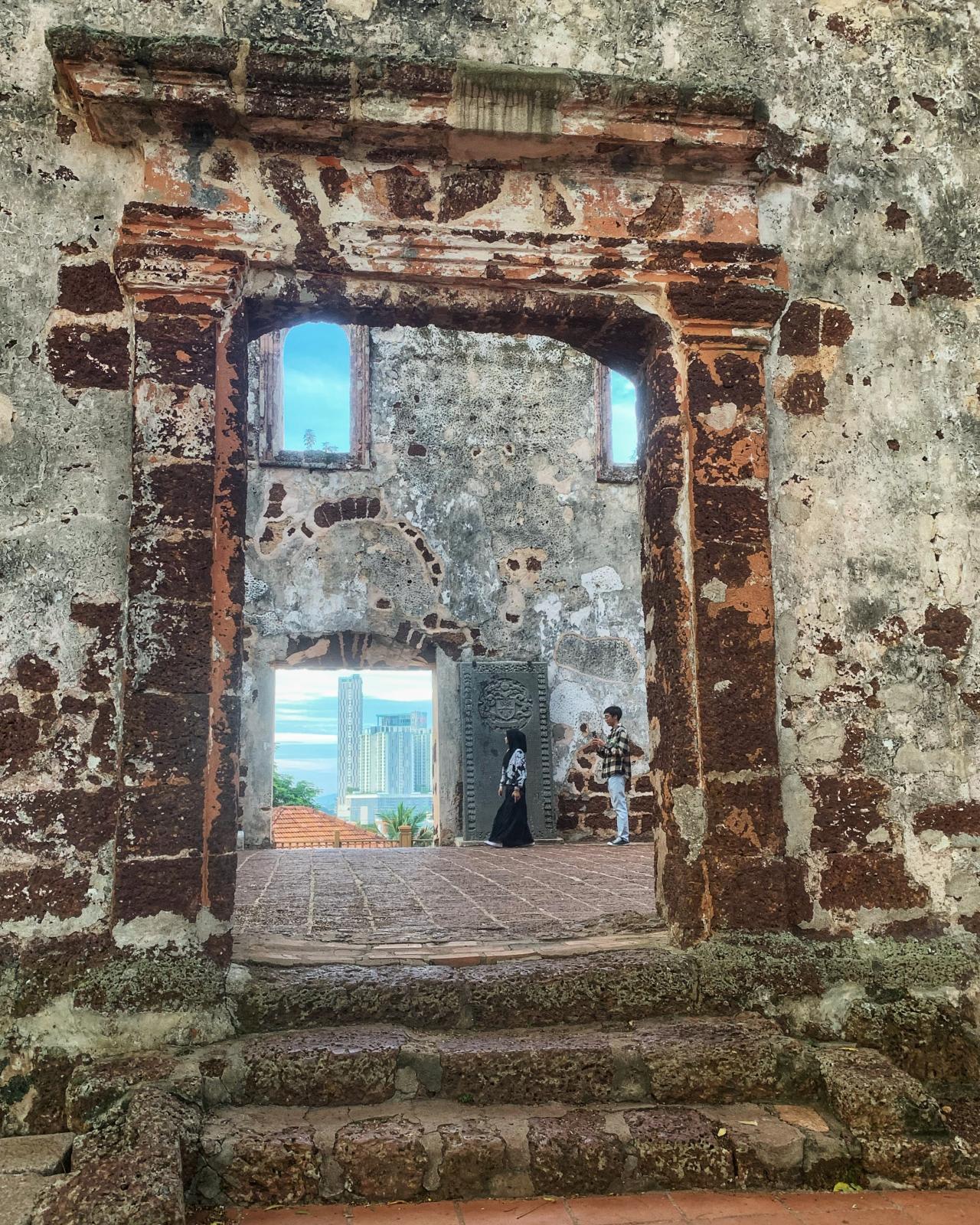
At the top lie the ruins of St Paul’s Church, the oldest European building east of India, much less in Southeast Asia. Originally a Catholic chapel built by the Portuguese and consecrated in 1521, the current church was built on the site between 1566 and 1590. It was taken over by the Dutch with their conquest of Melaka in 1641 and deconsecrated in 1753. The building, slowly falling to ruin, became a gunpowder magazine (an ammo dump) under the Dutch and later the British.
On the other side of the hill sits the ruins of the Portuguese military fortress A Famosa and a score of other museums, including one chronicling the Malacca Sultanate, as well as the Dataran Pahlawan Melaka Megamall. The mall, which has stuff your teenagers would salivate over for prices that easily beat those in Kuala Lumpur, does offer some respite from the heat and humidity.
2. MELAKA’S COLOURFUL TOURISM CENTRE
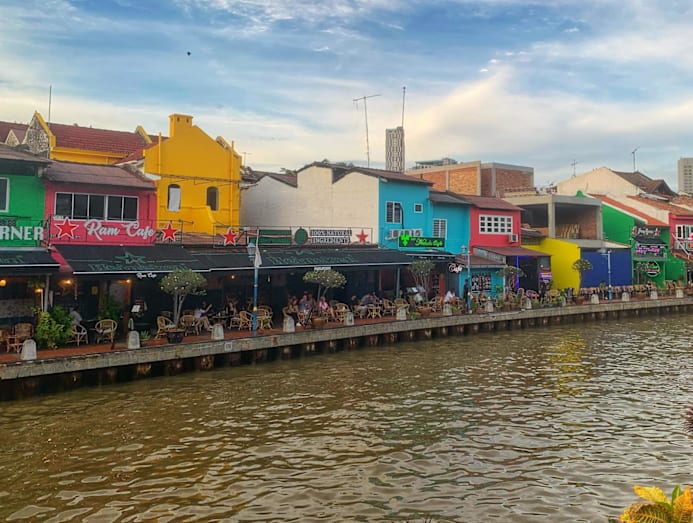
Facing the Red Square is the Melaka River Walk lined with restaurants, cafes and bars that are a delight after dusk.
Plying the river are short ferry cruises starting at the Melaka River Park and Cruise Centre near Red Square, ending just past the picturesque Kampung Morten. Named after a British colonial official, the village is a model of well-preserved traditional Malay kampung houses.
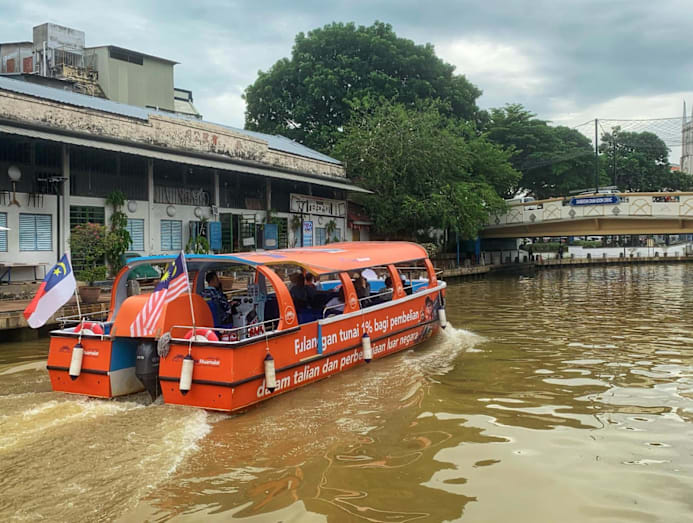
A walk along this stretch of river covers about 3km and takes about 45 minutes, which many swear is a much more pleasant and meaningful experience. Besides bridges built for vehicular traffic, there are a half-dozen pedestrian bridges to stroll over, each with its own unique architecture and vibe.
Behind the riverfront is Melaka’s famed Jonker Walk area, a cliched “feast for the senses” for the sensation-seeking and to be avoided if you’re the sort who rates consommes. Either way, the pasar malam (night market) vibe of shops and stalls is worth a look if it’s not packed to the gills on a weekend night.
The Jonker area is best experienced on foot and not from behind windows – be considerate and ask your taxi or rideshare to drop you off on the fringes.
The list of famed bakeries, trendy cafes and highly rated restaurants are legion, enough to fill every mealtime appointment on your calendar. Whatever your gastronomic preference, a visit to a Peranakan eatery is a requirement.
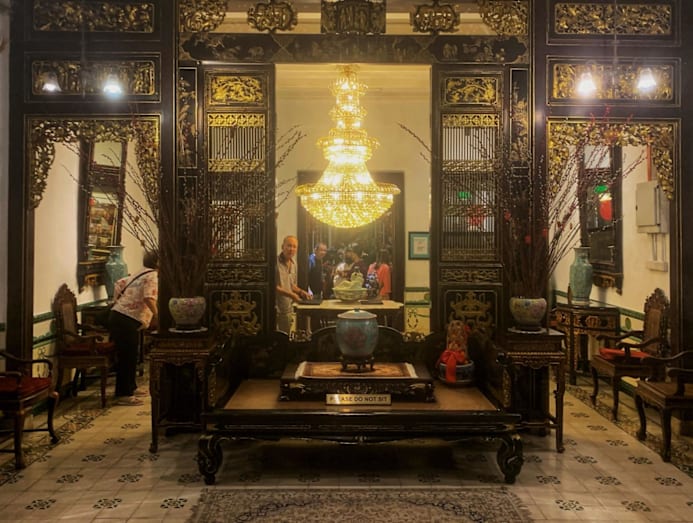
Peranakan Mansion stands out with its consistently glowing reviews and Google user ratings, with an ambience befitting a museum. Needless to say, reservations are recommended and it’s a gamble for walk-in diners, who may wait five minutes or over an hour. The restaurant is only open from noon to 2pm and from 6pm to 9pm, with Wednesdays their day off.
Among the humbler eateries that have endured for decades, there’s Poh Piah Lwee, which serves, well, popiah (mini burrito-like rolls filled with stir-fried turnip, carrots and jicama, often including garnishings like crispy tofu, peanuts and minced meat or sausage). There’s also laksa and other Melakan offerings. The shop has been through at least three generations and has its loyal following of locals.
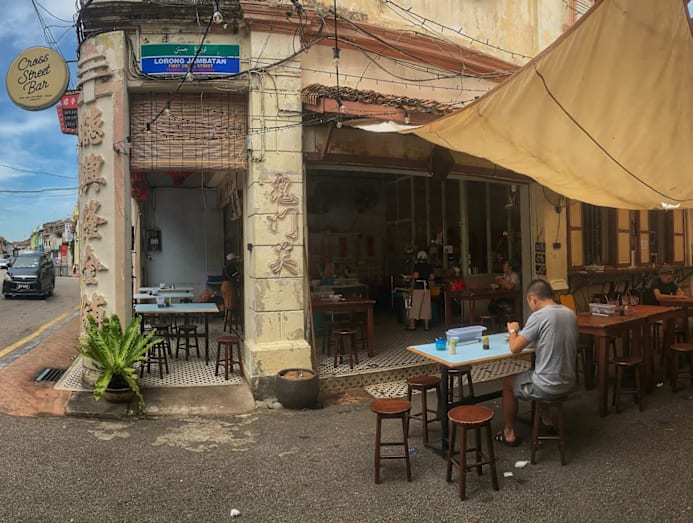
Personally, there’s something about alleyways that makes kopi taste that much better. And there’s a Melakan gem in DeXingLung kopitiam on quaint Lorong Jambatan, a short alley that dead ends at a footbridge over the Melaka River.
Looking more like a gastropub run by younger-generation locals, there’s also a bar above that opens after dark. De XingLung opens from 7am to 2pm only, closing an hour earlier on Sundays, and is closed on Mondays and Tuesdays.
3. A LITTLE FURTHER NORTH
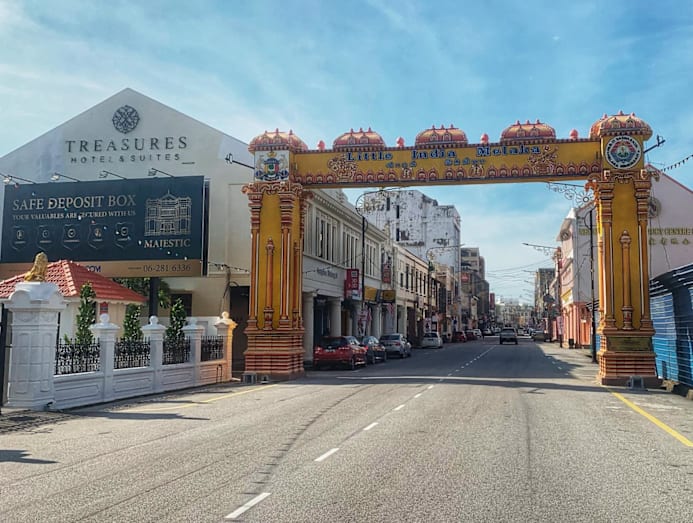
By all means, don’t just keep to the Jonker Walk-Red Square city centre. Stroll a couple of blocks away, and it’s a whole other vibe with all locals, save for the occasional adventurous backpacker.
The best in-between is north of downtown, just past Melaka’s nominal Little India, and on the way to Kampung Morten and The Shore.
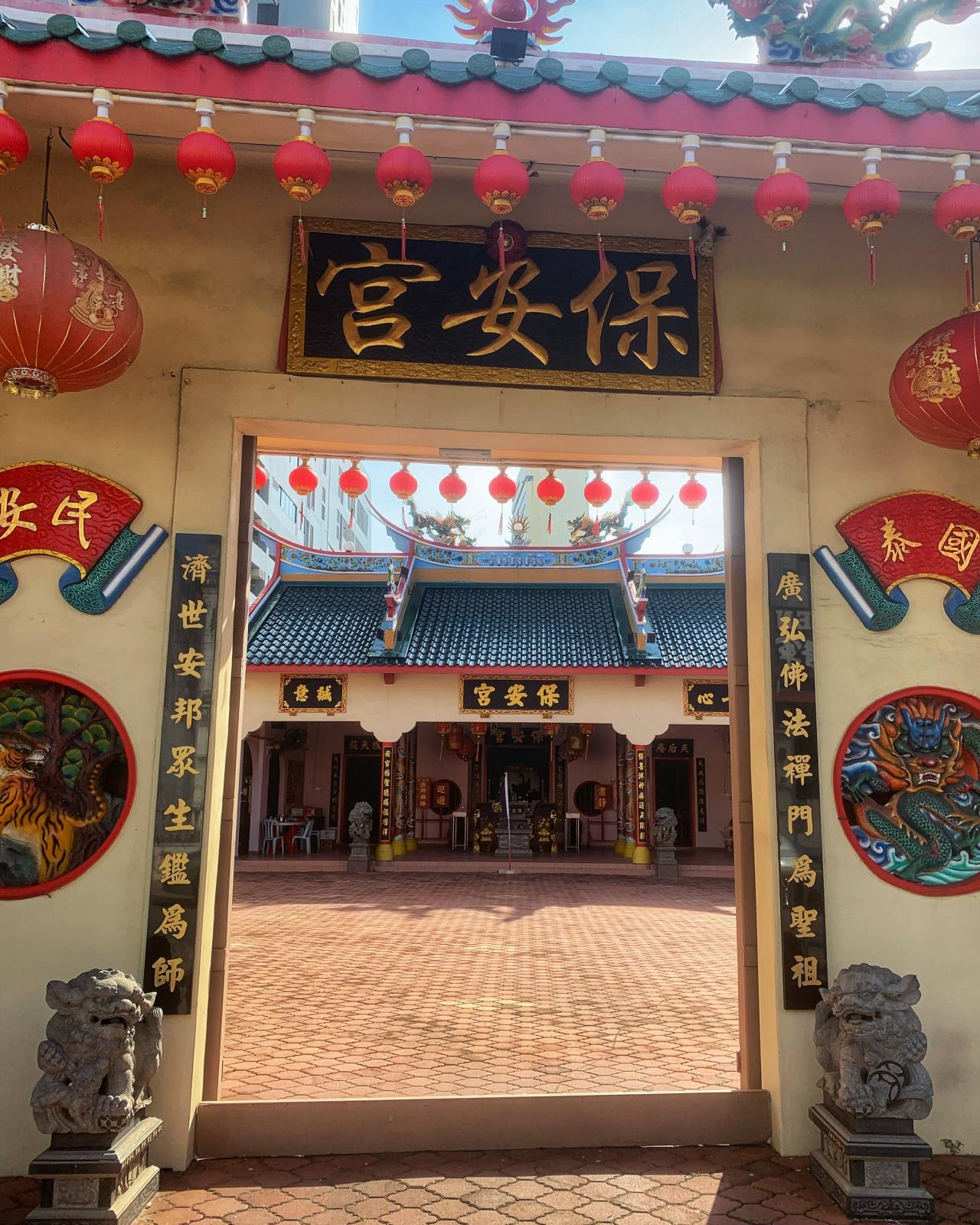
Built in 1781, Poh Onn Kong Temple is one of Melaka’s oldest Chinese temples (the longest-standing is Cheng Hoon Teng in the Jonker area, which dates back to 1645) and is closely associated with Zheng He, who visited the site near his encampment atop Bukit Cina nearby, according to legend. It’s a serene temple that’s welcoming to visitors but seemingly off the radar of most tourist coaches.
A few steps away and well into the heart of the Bunga Raya neighbourhood is Mei Sin Cafe, an old-school kopitiam that’s one of the absolute favourite breakfast/lunch spots for locals. Oft-mentioned standouts are the chicken rice, wantan mee, and Nyonya kueh sold out front.
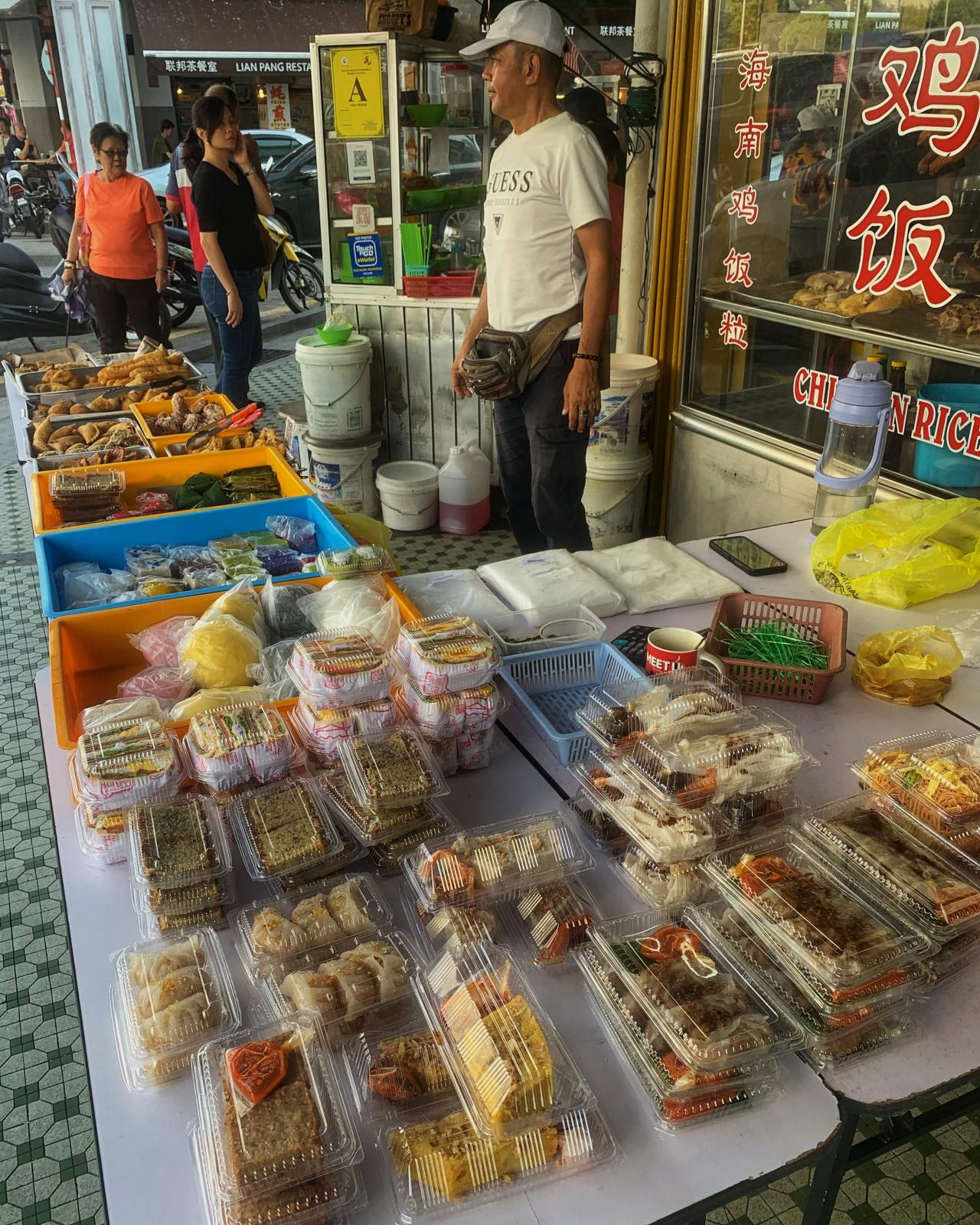
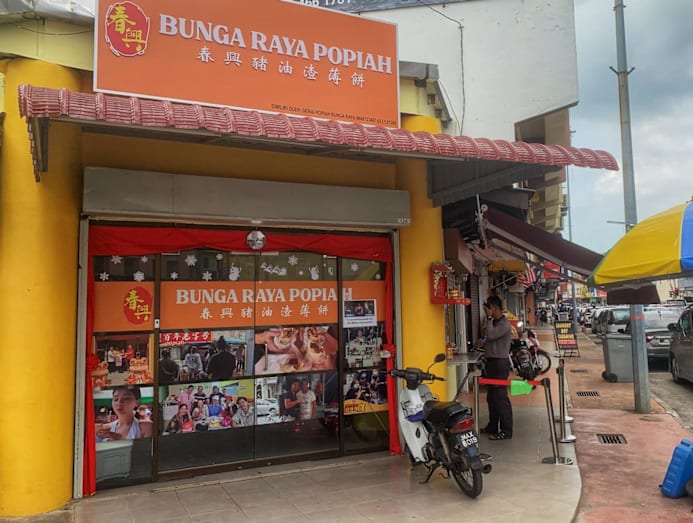
Still within the area, there’s Bunga Raya Popiah, which some swear serves the absolute best popiah in Melaka. What is certain is that their popiah is massive, looking like a huge burrito, with both its fans and detractors – going big may result in different proportions of ingredients.
For what it’s worth, there are usually plenty of double-parked cars near the shop, which is geared for takeaways, and I personally liked the “upsized” version of the good ol’ popiah. Also, I went as soon as they opened at 10.30am on my last Melaka visit to avoid the crowds.
That isn’t to say that Bunga Raya is a tourist dead zone. There are numerous 3- or 4-star hotels here, such as the Dusit Princess Melaka, Bayview Hotel and Majestic Malacca, as well as my personal pick, the boutique Treasures Hotel and Suites at the Little India arch nearby. The Shore has also brought quite a bit of buzz to the area.
There is one good reason to visit the Shore, I’ve to add. For those looking for highly-rated Malay cuisine, Chef Wan’s Melaka outlet opened in early 2022. Chef Wan is, of course, a Malaysian celebrity who has held the prestigious Michelin Bib Gourmand award for the past three years, starting in 2023.
Above all, don’t forget: Time your visit wisely, and book and plan ahead.