Suffering from constipation? Exercising these muscles in your buttocks can help loosen things up
An inflamed or tight piriformis muscle could cause piriformis syndrome, making it painful to push things through in the bathroom.
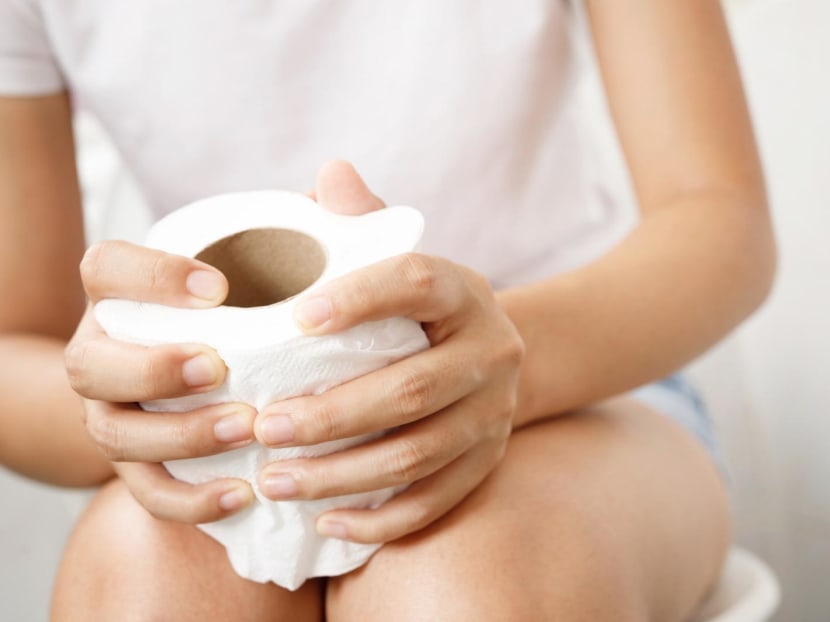
The piriformis muscles found deep in your buttocks could be causing you problems on the toilet. (Photo: iStock/Rattankun Thongbun)


Around 80 per cent of people struggle with constipation at some points in their lives. And if you're one of them, you would have probably looked at drinking more water, increasing your fibre intake or even talking to your doctor if certain medications or supplements you're on is causing the problem.
Other than those conventional ways to overcome constipation, did you know that there are certain stretches and exercises you could perform to help things along? They target a certain pair of muscles called the piriformis (say “pee-ree-for-mis”). And no, it’s not the same as the anal sphincter muscles that control defecation.
WHAT ARE PIRIFORMIS MUSCLES?
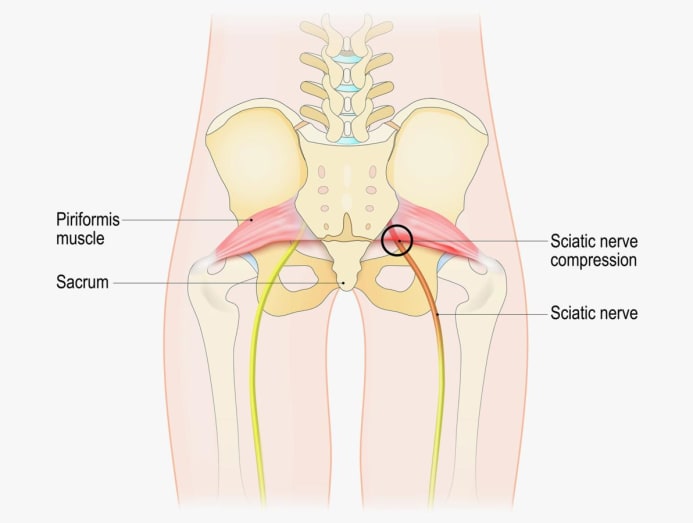
According to Dr Daphne Ang, a senior consultant with Changi General Hospital’s Department of Gastroenterology and Hepatology, the piriformis muscle is a “deep buttock muscle” that is flat and band-like. It starts from the front of the sacrum (bottom of the spine), connects through the pelvis and attaches to the top of the femur (thigh bone).
Movement-wise, the piriformis muscle on each side of your pelvis helps to “lift the thigh away from the body at different angles”, said Mark Tan, a physiotherapist with Tan Tock Seng Hospital’s Department of Physiotherapy, and enables you to walk and “shift your body weight optimally from one foot to the other”. “It also stabilises the hip joint during movement,” he added.
HOW DO PIRIFORMIS MUSCLES AFFECT CONSTIPATION?
It is the piriformis muscles' locations that may indirectly affect bowel movements and cause constipation, said Dr Surendra Mantoo, a senior consultant with Khoo Teck Puat Hospital's Department of General Surgery.
The pelvic floor muscles that lie beneath the piriformis muscles play a crucial role in bowel movements and continence as they help control the opening and closing of the anus, he said.
"In some individuals, certain conditions (read below) can cause chronic tension or tightness in the piriformis muscles, along with the nearby pelvic floor muscles", or what is known as piriformis syndrome.
This phenomenon leads to more trouble. The piriformis muscle's tightness can compress the nearby sciatic nerve, leading to what is known as sciatica. "It's estimated that about 6 per cent to 8 per cent of sciatica cases are caused by piriformis syndrome," said Dr Surendra of the resulting pain, numbness and/or tingling sensation felt deep in the buttocks and down the affected leg.
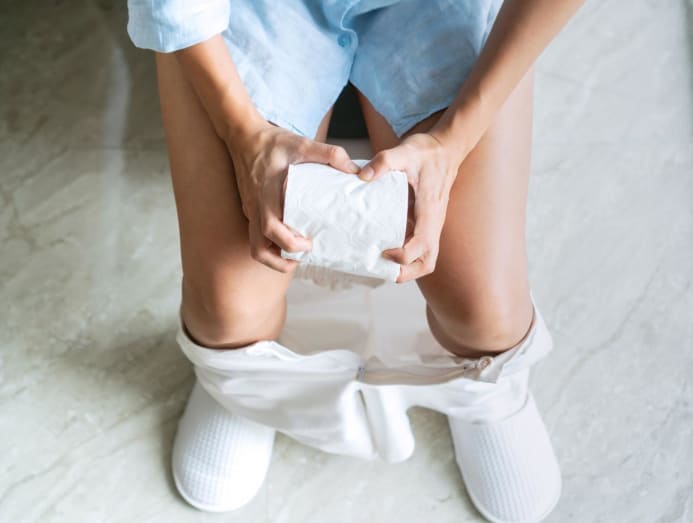
This spells bad news in the bathroom. First, the pelvic floor muscles have difficulty relaxing during defecation, resulting in straining and incomplete bowel movements. Second, imbalances in the pelvic floor muscles can affect the coordination of the pelvic floor muscles during bowel movements, said Dr Surendra.
Third, the pain can make you less willing to push when on the toilet. And fourth, the longer you sit and strain on the toilet, the more stretched and aggravated the sciatic nerve becomes, said Dr Ang.
The exact cause of piriformis syndrome is not always clear, said Dr Surendra, but some common factors can contribute to the compression of the sciatic nerve by the piriformis muscle, including:
- Anatomical variations: In some individuals, the sciatic nerves may run through the piriformis muscles, making it more susceptible to compression.
- Muscle imbalances: Tightness of the piriformis muscles and surrounding hip and gluteal muscles can lead to compression of the sciatic nerves.
- Trauma or injury: A fall, direct blow to the buttocks or other injuries can cause inflammation or spasm of the piriformis muscles, resulting in sciatic nerve compression.
- Overuse or repetitive movements: Activities that involve frequent or prolonged hip flexion and external rotation, such as long-distance running or sitting for extended periods, can strain the piriformis muscles and lead to compression of the sciatic nerves.
- Muscle spasms: Piriformis spasms, often due to excessive strain or fatigue, can lead to nerve compression.
- Structural issues: Conditions such as sacroiliac joint dysfunction or abnormal pelvic alignment can contribute to piriformis syndrome.
"Diagnosing piriformis syndrome can be challenging because its symptoms can be like those of other conditions causing sciatica," said Dr Surendra. "It often involves a thorough physical examination, medical history review, and possibly imaging studies or nerve conduction tests to rule out other potential causes."

WHY DOES THE PAIN OR NUMBNESS FEEL WORSE ON THE TOILET?
Sitting on the toilet for a prolonged period can press the piriformis muscles against the sciatic nerve, said Dr Ang, and worsen the pain, numbness and/or tingling sensation. “The lean-forward position that most people assume when on the toilet seat adds even more pressure on the sciatic nerve.”
You are less likely to feel those sensations when sitting on a chair as the softer cushioning under your buttocks helps to reduce the strain, she said. Your “body weight on the gluteal region is also dispersed over a larger surface area on a chair than on a toilet seat”, said Tan.
EXERCISES TO TRY
"Stretching exercises help to relieve the inflammation of the piriformis muscles, which in turn, reduces the pain experienced during a bowel movement as well as reducing the irritation on the adjacent sciatic nerve," said Dr Ang.
Equally important are strengthening exercises for the other hip muscles, especially those that control abduction, extension and external rotations, said Tan. "They will help to distribute the mechanical forces optimally across the lower body and reduce strain on the piriformis muscles."
Tan recommends these two stretches and two strengthening exercises for your piriformis muscles. “The repetitions, duration and frequency are recommendations,” he said. “If you experience moderate or severe pain before, during or after the exercise, stop. Seek medical advice from qualified healthcare professionals as necessary.”
SUPINE STRETCH
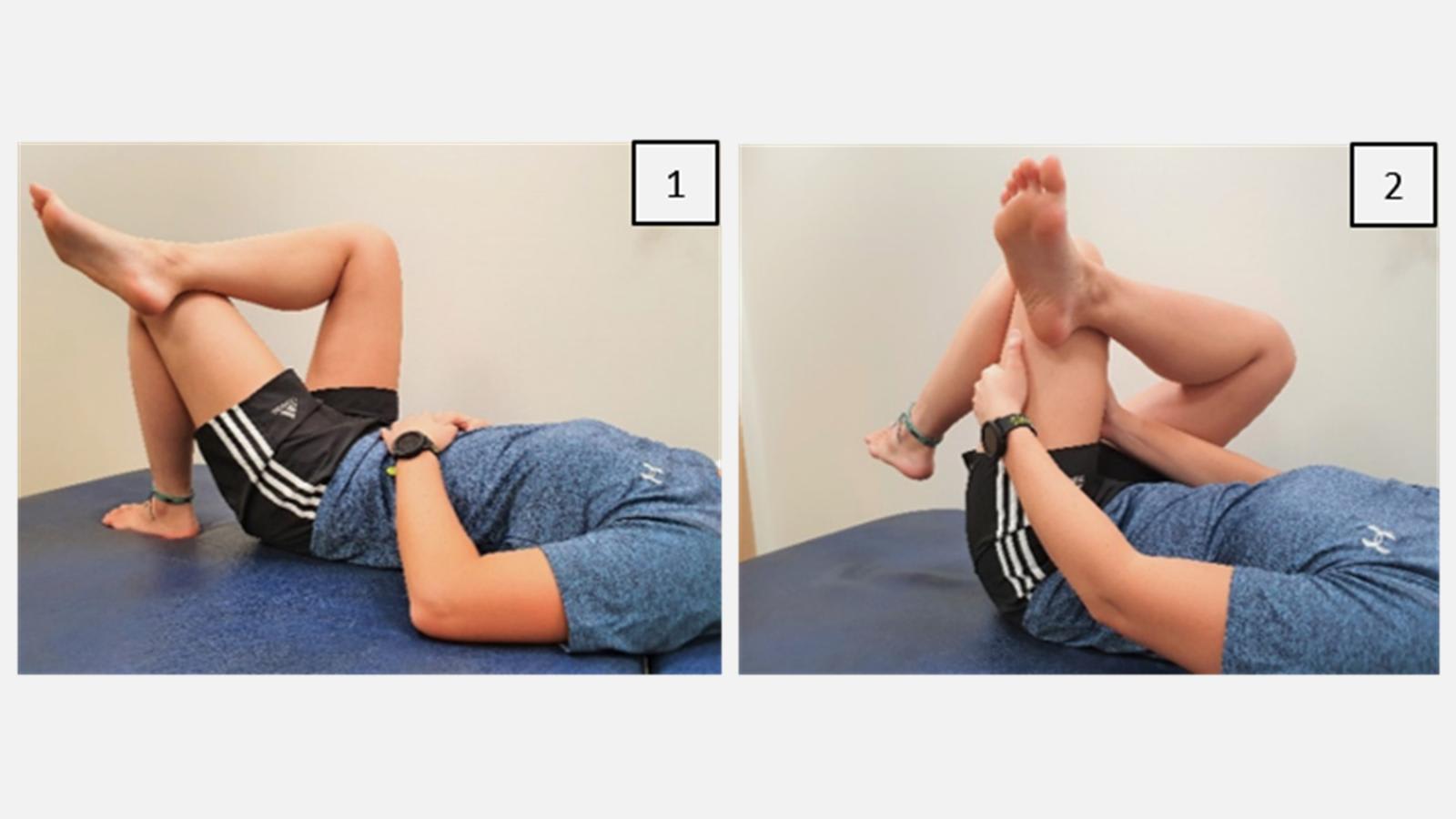
- Lie on your back. Cross affected leg over unaffected knee.
- Pull unaffected knee towards chest until a comfortable stretch is felt in your affected buttock. Hold for 30 seconds. Repeat 3 times. Complete 3 sets a day.
SEATED STRETCH
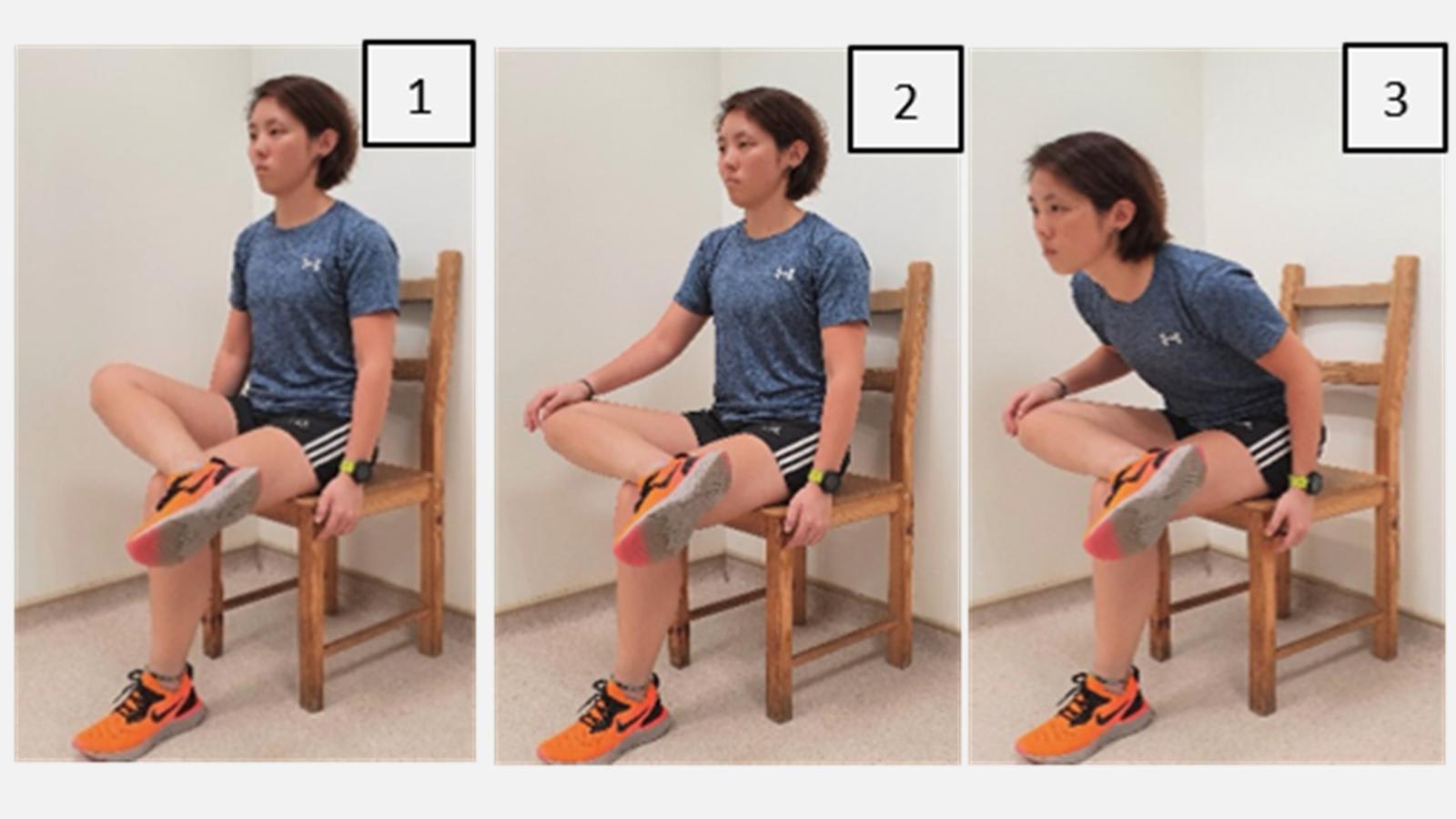
- Sit close to edge of chair. Cross affected leg over unaffected knee.
- Press down affected knee with hand.
- Lean body forward until a comfortable stretch is felt in your affected buttock. Hold for 30 seconds. Repeat 3 times. Complete 3 sets a day.
DOUBLE LEG BRIDGING
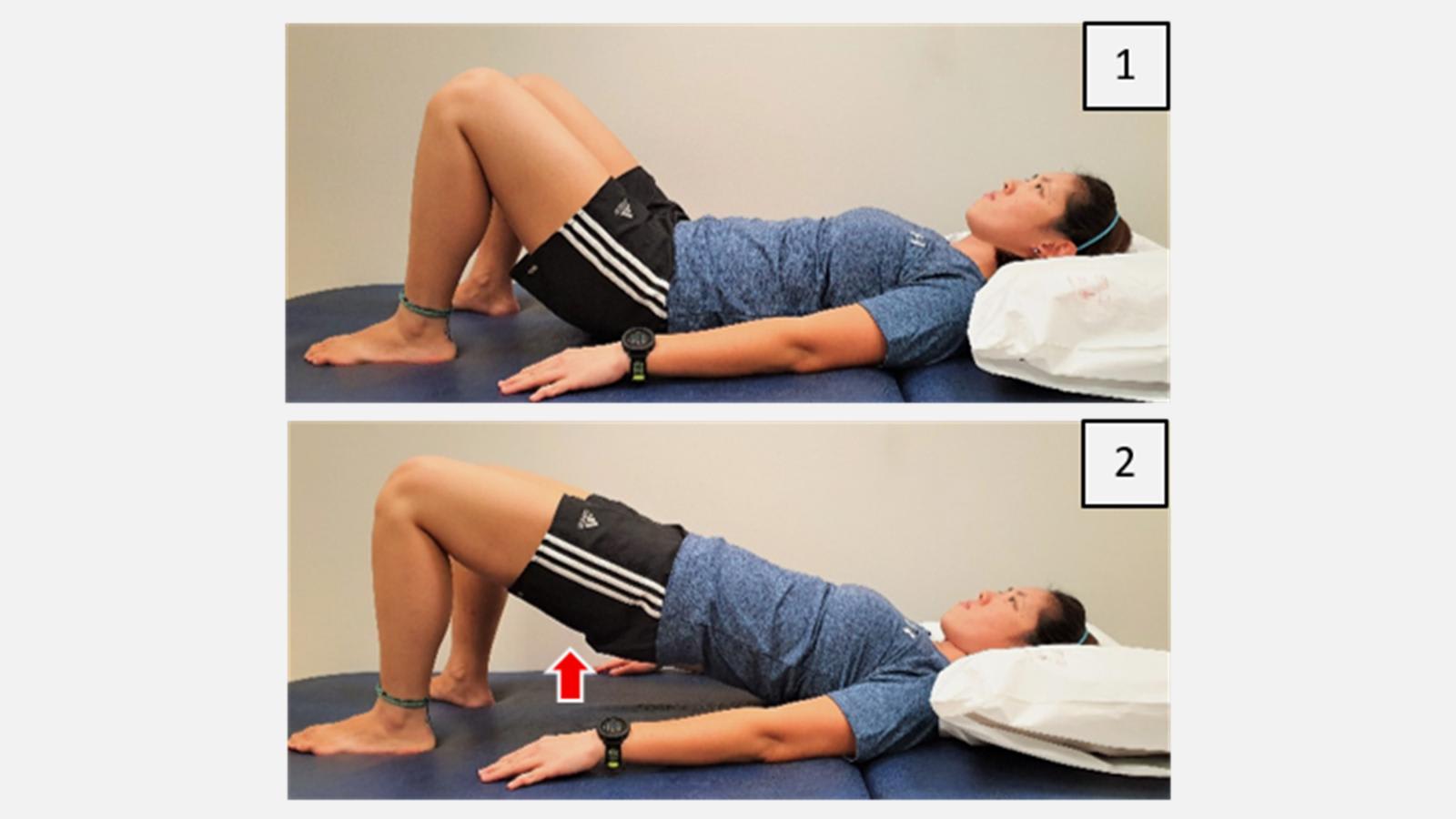
- Lie on your back with both knees bent.
- Squeeze buttock muscles and lift buttocks off ground. Hold for 3 seconds. Repeat 10 to 15 times. Complete 3 sets a day.
HIP ABDUCTION IN SIDE-LYING POSITION
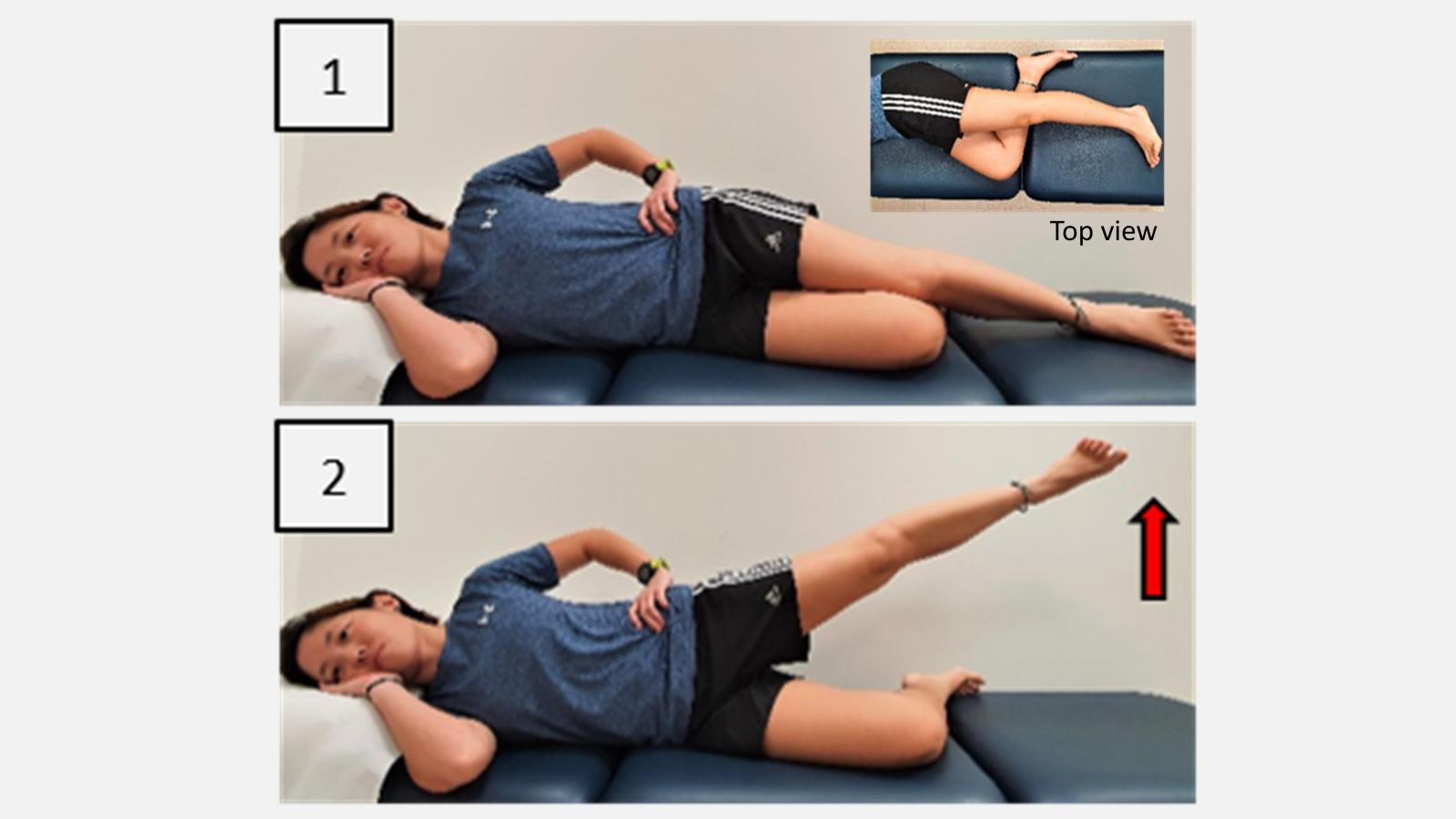
- Lie on the side of unaffected leg, keeping hip and knee bent. See top view.
- Keeping affected knee straight, lift your leg about 20cm above the surface. Do not bend leg forward and avoid arching back. Hold for 3 seconds. Repeat 10 to 15 times. Complete 3 sets a day.